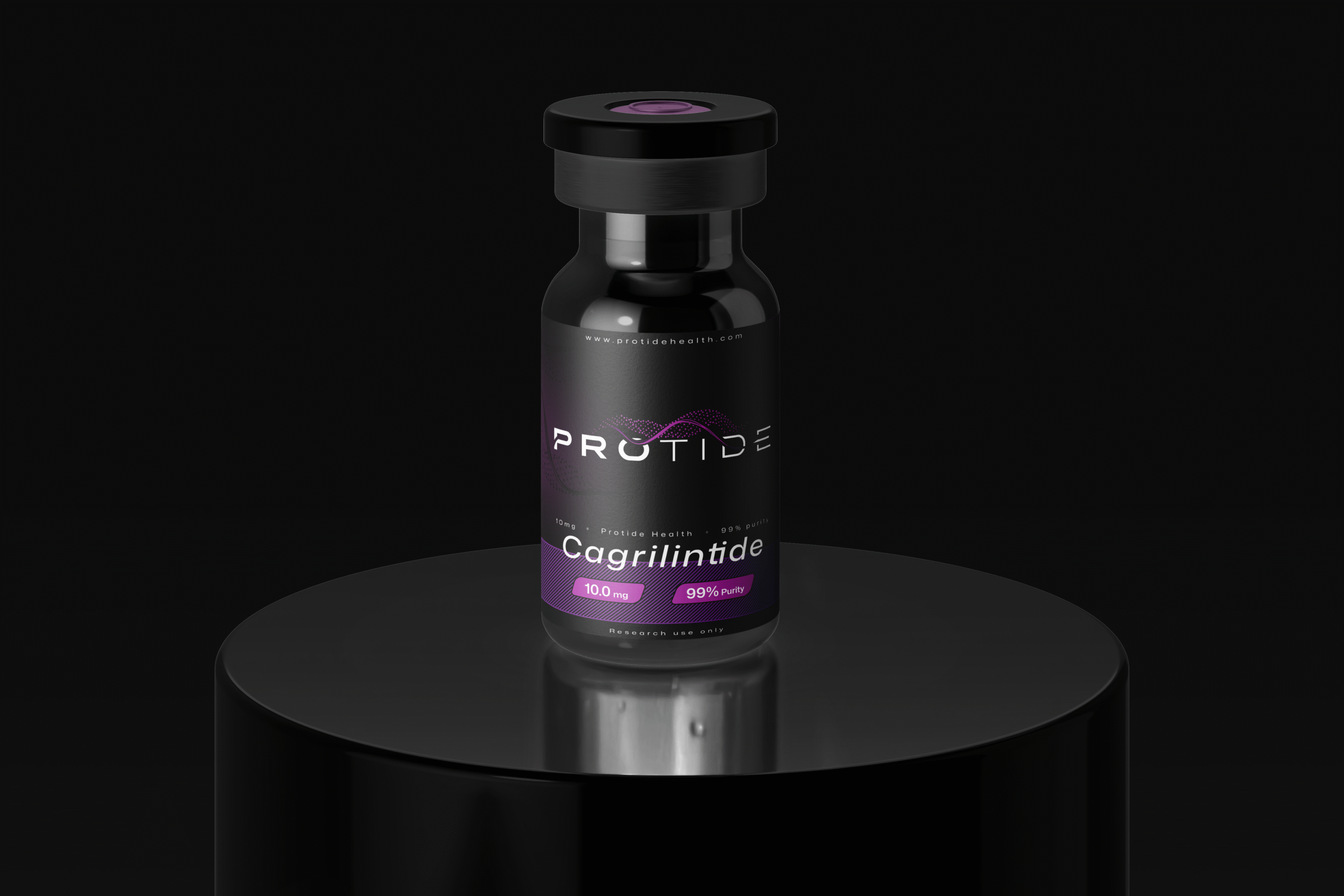
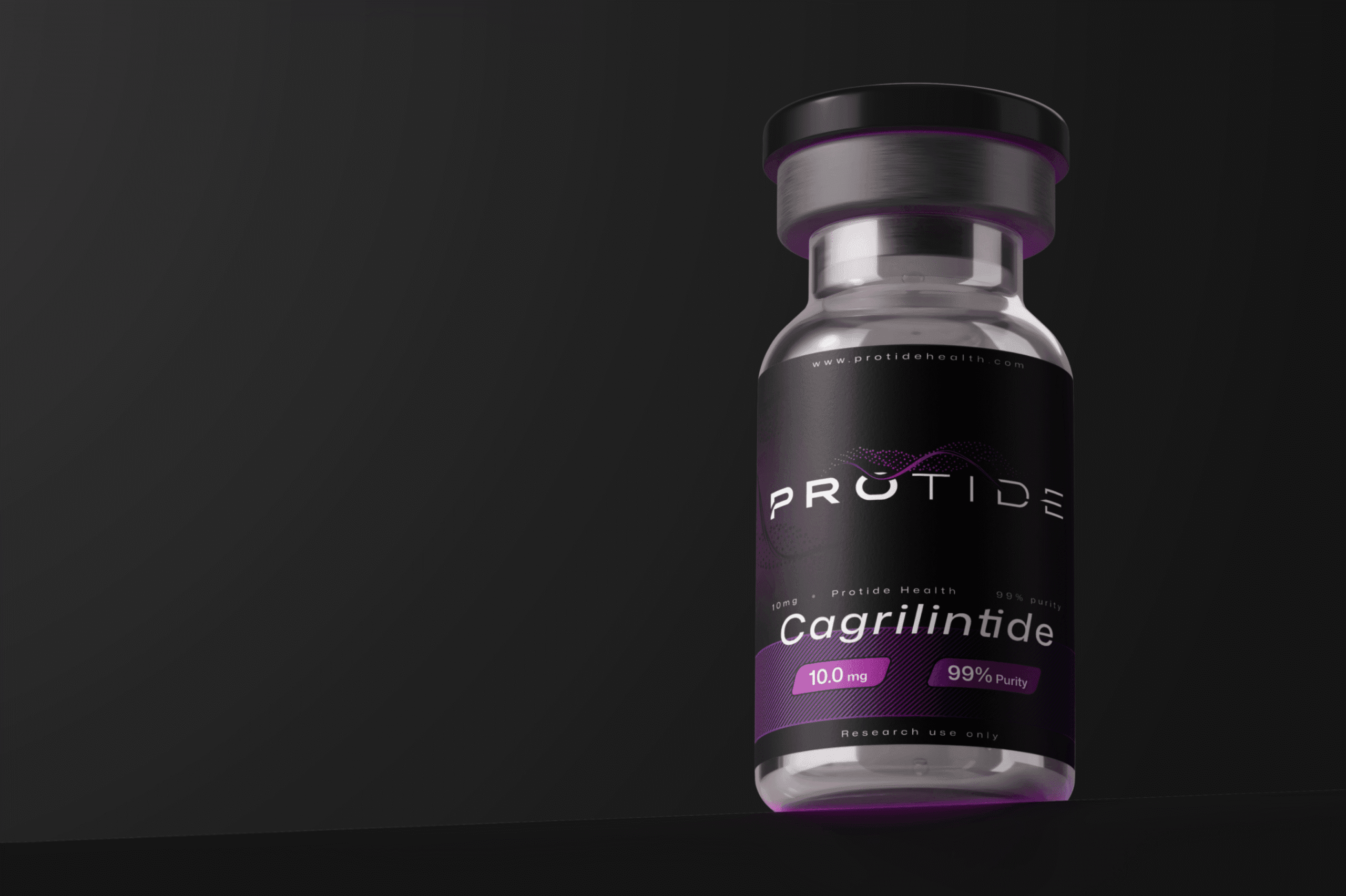
Cagrilintide 10mg
$155.00
Cagrilintide is a novel amylin analog developed for weight loss and metabolic regulation. It mimics the effects of the natural hormone amylin, which is co-secreted with insulin and plays a key role in regulating appetite, slowing gastric emptying, and promoting satiety.
In stock
Free shipping on orders over $149!
- 99% Purity
- Third-Party Tested
- Secure Payments
- Free BAC Water
- Satisfaction Guaranteed
What is Cagrilintide?
Cagrilintide is a synthetic long-acting amylin analogue that has attracted significant attention in research settings for its potential effects on appetite regulation, weight reduction, and metabolic homeostasis. Investigated as a non-selective agonist of amylin and calcitonin receptors, this peptide provides a valuable tool for studying obesity and related metabolic disorders. PubChem
Cagrilintide is a 37-amino-acid synthetic peptide designed as a long-acting analogue of amylin, a pancreatic hormone co-secreted with insulin. Synthesized for research purposes, Cagrilintide is typically administered via subcutaneous injection in preclinical models, with a half-life exceeding 24 hours due to robust albumin binding. Because it activates both amylin receptors (AMYR) and calcitonin G protein-coupled receptors (CTR), it is considered a versatile compound for controlled metabolic studies.
Peptide Type: Synthetic 37-amino-acid amylin analogue; non-selective AMYR/CTR agonist.
Primary Research Focus: Obesity, appetite suppression, and glycemic control models.
Vial Content: Supplied as a high-purity lyophilized powder for laboratory reconstitution.
Chemical and Structural Properties of Cagrilintide
The structural design of Cagrilintide incorporates lipidation and specific amino acid substitutions to enhance stability and half-life compared to native amylin or pramlintide.
A defining feature of this peptide is its N-terminal lipidation, which enhances albumin binding. This modification significantly extends the research-ready half-life and reduces the formation of amyloid fibrils, a common challenge with native amylin research. Int J Mol Sci
Format: Lyophilized for maximum stability; store at -20°C or lower.
Molecular Modification: Lipidated C20 fatty diacid for extended half-life.
Structural Integrity: Disulfide bridge between Cys3-Cys8 ensures receptor affinity.
Mechanism of Action: Appetite and Metabolic Regulation
Cagrilintide exerts its effects by activating AMYR and CTR, modulating appetite, gastric emptying, and energy expenditure. Unlike selective agonists, its dual-action profile allows researchers to study complex satiety pathways in both the hypothalamus and hedonic reward centers of the brain.
AMYR/CTR Agonism: Cagrilintide activates receptors in homeostatic brain regions, reducing food intake by 25–50% in various rat models.
Gastric Dynamics: By slowing gastric emptying and increasing satiety, the peptide reduces meal frequency and size in experimental settings.
Pharmacokinetics: In animal models, subcutaneous administration achieves sustained plasma levels for several days, supporting once-weekly dosing protocols in research. J Pharmacol Exp Ther
Cagrilintide Peptide Research
1. Weight Loss and Metabolic Health Models
Preclinical studies in obese rats demonstrated a 10–15% body weight reduction after 26 days of treatment (2.4 mg/kg/week). In research models, the peptide shows a dose-dependent effect on food intake, often resulting in a 25–50% reduction over 48–60 hours following a single administration. The Lancet
2. Type 2 Diabetes and Glycemic Control
Cagrilintide’s effects on glycemic parameters are frequently studied in combination with GLP-1 agonists. In clinical trial models, co-administration has been shown to achieve a significantly higher “time-in-range” for glycemic control compared to GLP-1 alone. Preclinical diabetic rat models have observed fasting glucose reductions of 15–20%. The Lancet
3. Metabolic Pathway Research
Cagrilintide serves as a primary model for studying amylin and calcitonin receptor signaling. Researchers have observed a 20–30% increase in cAMP production in AMYR-expressing cell lines, facilitating in-depth receptor signaling studies. It is also a preferred tool for investigating the mechanisms of delayed gastric motility.
4. Neurological Appetite Regulation
Preclinical data suggests Cagrilintide has a direct effect on brain appetite centers. Investigations show a 15–20% increase in neuronal activation in hypothalamic and reward regions in rats, which is linked to satiety signaling. This makes it a valuable candidate for studying “hedonic” eating behaviors in laboratory environments.
Cagrilintide Specifications Table
| Parameter | Details |
| Peptide Name | Cagrilintide |
| Molecular Formula | C194H312N54O59S2 |
| Molecular Weight | 4409 g/mol |
| Vial Content | High-purity lyophilized powder |
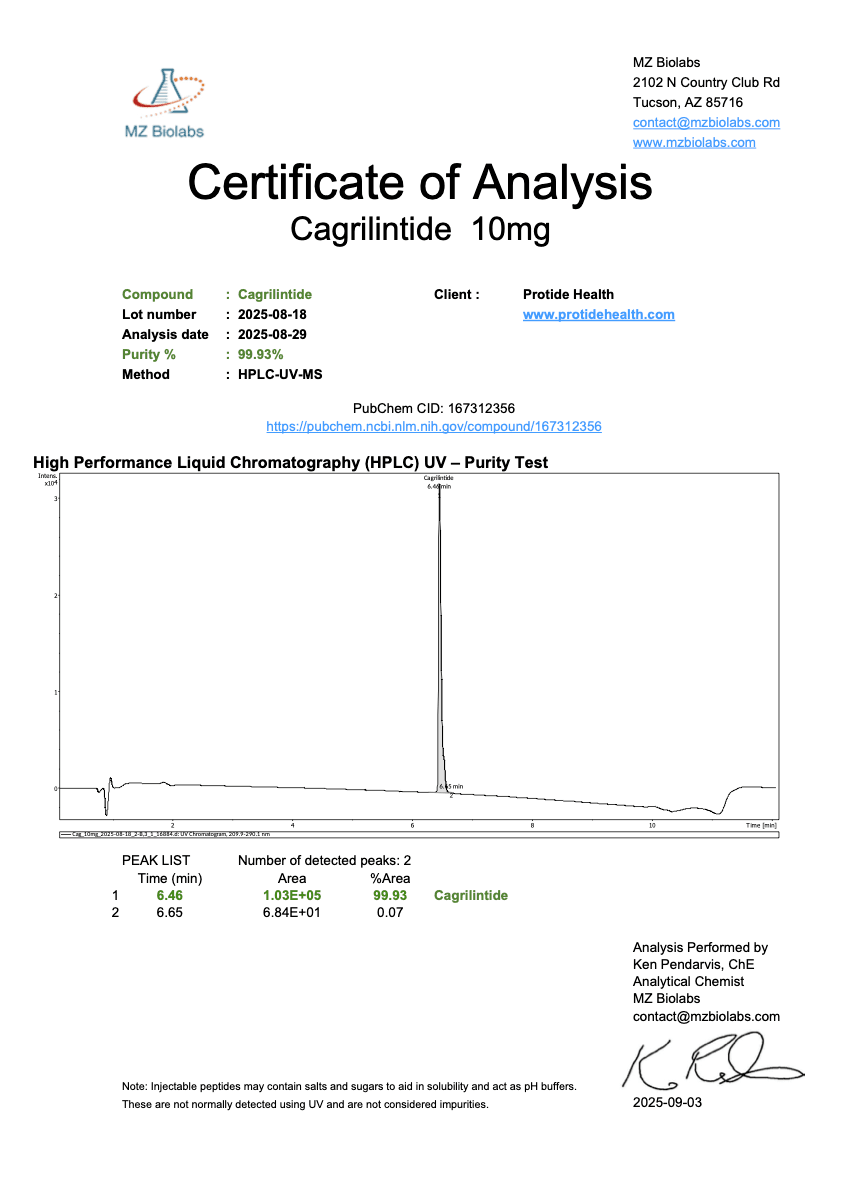
| Purity | 99%+ (verified by 3rd party testing) |
| Storage Guidance | Cool, dry, dark; -20°C for long-term stability |
| Typical Use Case | Obesity, metabolic health, and AMYR/CTR signaling |
Cagrilintide Peptide FAQs
What is Cagrilintide used for in research?
Cagrilintide is primarily used to study weight regulation, satiety, and metabolic signaling. Scientists investigate how its dual agonism of amylin and calcitonin receptors affects food intake and glucose homeostasis in both homeostatic and hedonic brain regions.
How is Cagrilintide stored in a laboratory setting?
To maintain bioactivity, Cagrilintide should be stored in its lyophilized form at -20°C or below. It must be protected from light and moisture. Once reconstituted, it is typically kept refrigerated and used within a strictly defined period according to laboratory SOPs.
Is Cagrilintide approved for human use?
No. Cagrilintide is an investigational compound designated solely for laboratory research. It is not approved by the FDA or any other regulatory body for human consumption, self-administration, or therapeutic use.
How does Cagrilintide differ from GLP-1 agonists?
While GLP-1 agonists target the incretin system, Cagrilintide is an amylin analogue. It works through a different set of receptors (AMYR and CTR) to regulate appetite and gastric emptying. Research often combines the two to study synergistic metabolic effects.2
Where can I buy Cagrilintide online?
Qualified researchers can purchase high-purity Cagrilintide at Protide Health. All products are batch-tested and strictly intended for controlled laboratory and preclinical use.
Conclusion: A Tool for Advanced Metabolic Discovery
Cagrilintide offers significant potential as a research tool for studying the complexities of appetite regulation and glycemic control. With preclinical data showing up to 50% reductions in food intake and 15% body weight loss, it remains a precise instrument for researchers investigating AMYR/CTR signaling. All research involving Cagrilintide should be conducted within controlled environments, adhering to the highest regulatory and ethical standards.
Citations
PubChem. Cagrilintide Structure and Properties.
The Lancet (2021). Cagrilintide weight management trials.
The Lancet (2023). CagriSema phase 2 results in type 2 diabetes.
J Pharmacol Exp Ther (2020). AM833 receptor agonism and appetite suppression.
Int J Mol Sci (2021). Amylin and calcitonin receptor signaling in obesity.
Legal Disclaimer
The information provided is for research and educational purposes only. Cagrilintide is not approved by the FDA for human consumption or therapeutic use. It is intended solely for investigational use in controlled laboratory settings by qualified researchers. Protide Health does not endorse or promote the use of Cagrilintide outside of approved research protocols. Researchers must comply with all local and federal regulations. Products sold by Protide Health are for laboratory research purposes only and are not intended for human consumption, medical use, or veterinary use.
| Weight | 1 lbs |
|---|---|
| Dimensions | 1 × 1 × 1 in |
You may also like…
-
-
Sale!
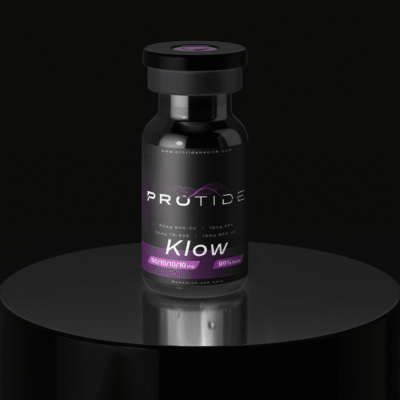
Klow Blend: 50mg/10/10/10 (GHK-CU, KPV, BPC-157, TB-500)
Original price was: $190.00.$150.00Current price is: $150.00.