Peptide Reconstitution & Lab Math Reference Guide (Research Use Only)
Research‑Use‑Only Notice: All content on this website and all product information are for educational and informational purposes only. All products referenced are for laboratory research, analytical, and in‑vitro or preclinical in‑vivo use only. They are not medicines or drugs, have not been evaluated or approved by the FDA, and are not intended to diagnose, treat, cure, or prevent any disease. Any bodily introduction into humans or animals is strictly prohibited.
The Protide Health Peptide Reconstitution & Lab Math Reference is a practical tool designed to help laboratories translate vial content and diluent volume into clear solution concentrations for research use only. It focuses on standardizing preparation and calculation workflows so experimental conditions can be replicated accurately across in‑vitro and preclinical models.
This resource is intended exclusively for laboratory research, analytical, in‑vitro, or preclinical in‑vivo applications and must not be used to guide human or veterinary dosing decisions. It does not provide medical advice, treatment recommendations, or patient protocols of any kind.
What the Reference Guide Provides
This reference outlines key technical details relevant to peptide handling in a research setting:
- Timing and sampling frameworks – General guidance for aligning solution preparation with assay timelines (e.g., single‑day runs, multi‑day sampling windows, longer preclinical studies) so conditions remain consistent across experiments.
- Vial content and theoretical concentration – How much compound is present (for example, 5 mg, 10 mg, 20 mg) and how that translates into solution strength after reconstitution.
- Reconstitution parameters – Example volumes of suitable diluents (such as bacteriostatic water or other research‑grade solvents) used to create working solutions, expressed in mg/mL or mcg/mL.
- Concentration ranges for experimental planning – Illustrative solution strengths commonly used in in‑vitro and preclinical models.
Why It’s Helpful
- Accuracy in preparation – Standardized reconstitution math reduces the risk of incorrect concentrations that can compromise experimental results.
- Operational efficiency – Housing vial content, reconstitution volumes, and resulting concentrations on one page saves time for research teams and minimizes confusion across different compounds.
- Consistent research practices – Shared reference values and methods support internal SOPs, quality systems, and reproducible workflows in both in‑vitro and preclinical settings.
- Integrated support tools – When paired with a lab‑focused concentration tool, this guide simplifies the conversion between mass, volume, and concentration.
How to Use This Research Reference (Fast Workflow)
Identify the peptide and vial content from the product label or COA (for example, 10 mg lyophilized peptide).
Choose a reconstitution volume that yields a convenient concentration for your planned assay (for example, 2 mL or 3 mL for round numbers).
- Use the Peptide Reconstitution Tool to input vial content and diluent volume; record the resulting mg/mL or mcg/mL concentration for your working solution.
- Map those concentrations to your existing study design, following internal SOPs, institutional requirements, and pre‑defined endpoints.
- Label, log, store, and track solution preparation and use according to your laboratory’s documentation and storage procedures.
This workflow is designed for qualified researchers who already define their own experimental objectives and parameters.
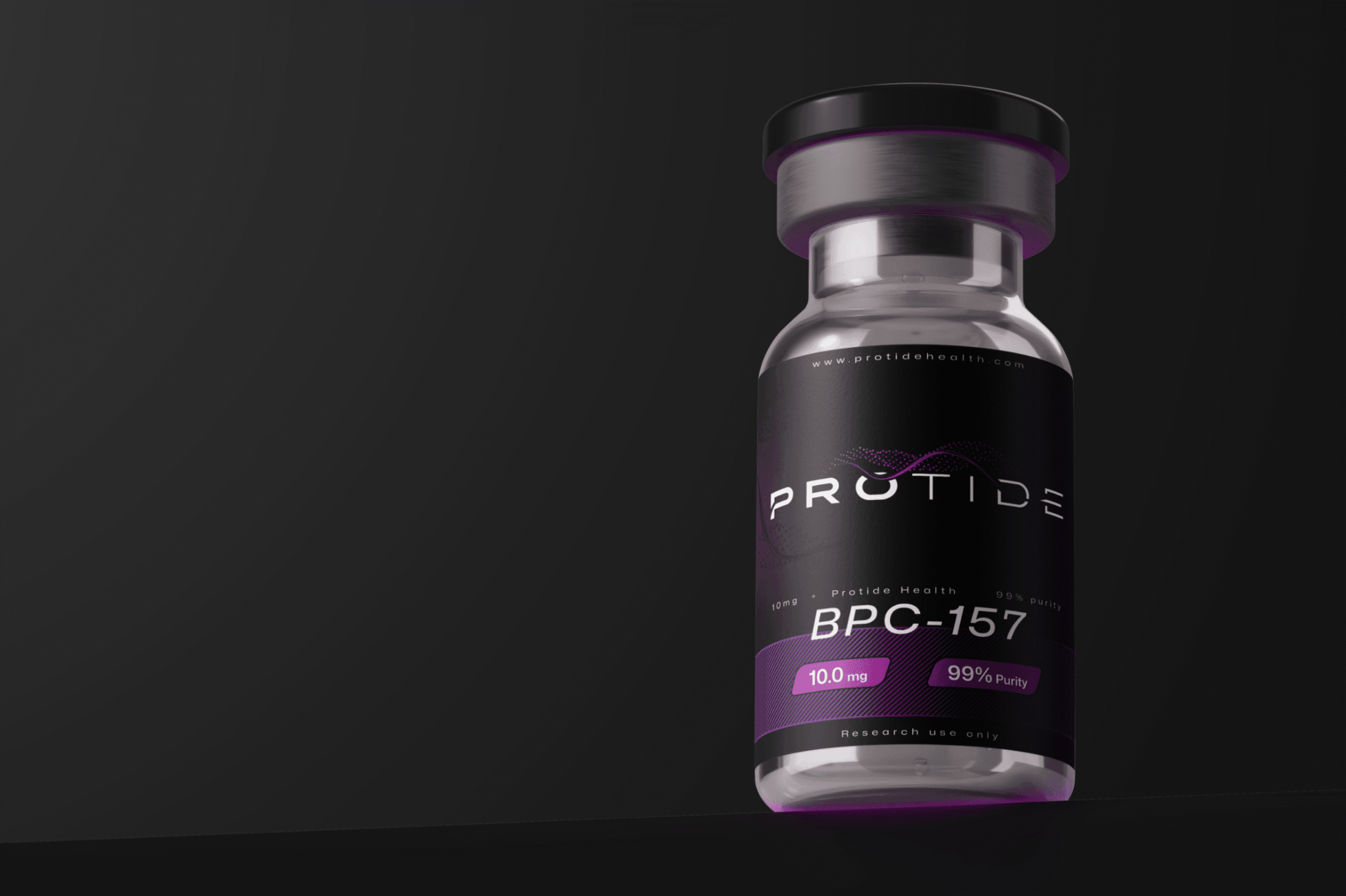
Example Reconstitution Math — Clean, Round Concentrations
The goal is to arrive at simple concentrations that make volumetric measurements straightforward during bench work.
Illustrative examples:
- 10 mg + 2 mL → 5 mg/mL (5,000 mcg/mL)
- 10 mg + 3 mL → ≈3.33 mg/mL (3,333 mcg/mL)
- 20 mg + 4 mL → 5 mg/mL (5,000 mcg/mL)
A standard formula often used in the lab is:
- Volume in mL desired micrograms ÷ micrograms per mL.
Labeling & Documentation (Lab Hygiene)
Implementing clear labeling and documentation supports traceability and quality assurance. Suggested on‑vial fields:
- Peptide name or internal code and batch/lot number.
- Prepared concentration (mg/mL or mcg/mL) and total reconstituted volume.
- Diluent type and volume (for example, “3 mL bacteriostatic water”).
- Date reconstituted and internally defined discard or stability date, as specified in your SOPs.
Associated logs can track preparation date, operator initials, storage location, and linked study or assay IDs. Documentation should remain focused on experimental parameters, not human sensations, symptoms, or “tolerance.”
Troubleshooting & Quick Fixes
- Cloudiness or foam after mixing – Allow the vial to settle; on future preparations, direct the diluent slowly down the vial wall and gently swirl until uniform instead of shaking vigorously.
- Uncertain calculations – Re‑run mass‑to‑volume conversions using the Peptide Reconstitution Tool or a validated spreadsheet before preparing large batches.
- Volumes too small to measure reliably – Increase the reconstitution volume to generate larger, easier‑to‑measure aliquots while staying within your target concentration range.
Core Unit Conversions for Lab Math
- 1 mg = 1,000 mcg
- Volume in mL desired micrograms ÷ micrograms per mL
Best Practices for Consistency
- Mix: Follow appropriate sterile or clean‑technique procedures; add diluent slowly along the vial wall and swirl until the solution appears homogeneous.
- Store: Maintain solutions under the temperature and light conditions defined in your internal protocols or supplier guidance, and avoid repeated freeze‑thaw or temperature cycling when possible.
- Replace: Discard solutions that exceed your internally defined stability window or show unexpected changes in appearance, according to your lab’s quality criteria.
These practices are intended to support reproducible experimental conditions and sound laboratory technique, not to manage or monitor clinical use.
Safety, Scope & Status
All information in this guide is for laboratory research use and education only. It is not medical advice, not a prescription resource, and not a dosing or treatment recommendation for humans or animals.
Compounds referenced may not be approved by the FDA or other regulatory bodies for any use. Researchers are responsible for complying with all applicable laws and regulations, following institutional or ethical requirements, and obtaining any necessary approvals before conducting experiments.
Research Use FAQs
How should I use the Peptide Reconstitution Tool referenced here?
Use it only to convert vial content and chosen diluent volume into mg/mL or mcg/mL and to derive the volumes needed for your in‑vitro or preclinical assays. It is not intended to output human “doses” or administration instructions.
Do you have a quick mg to mL conversion tip for lab work?
A simple way to think about lab math is that volume in mL = desired micrograms ÷ micrograms per mL. For example, if a solution is 5,000 mcg/mL and an experiment requires 250 mcg, the corresponding volume would be 0.05 mL. For more complex scenarios or different vial strengths, use the Peptide Reconstitution Tool to convert between mass, volume, and concentration for research applications only.
How should I choose a reconstitution ratio for my experiment?
Select a reconstitution volume that yields a clear, easy‑to‑work‑with concentration for your planned assay. For example, combining a 10 mg vial with 2 mL of diluent produces 5,000 mcg/mL, which can simplify subsequent volume calculations. If the calculated experimental volumes are too small to measure accurately, increasing the diluent volume can create larger, more manageable aliquots while staying within your protocol’s target concentration range.
Conclusion
The Protide Health Peptide Research Reference is designed as a comprehensive laboratory aid rather than a simple chart. By focusing on clear, standardized guidance for peptide reconstitution, concentration calculations, labeling, and documentation, it helps research teams improve efficiency, maintain accuracy, and support reproducible experimental conditions in in‑vitro and preclinical models.
Across a wide range of peptide classes and experimental applications, this reference streamlines how solutions are prepared and tracked so that laboratories can align their work with internal SOPs, quality systems, and regulatory requirements.