

GLP-3 and Cagrilintide Peptide Blend: Research Guide to LEAN “GLP-3 and Cag”
Research‑Use‑Only Notice: All content on this website and all product information are for educational and informational purposes only. All products referenced are for laboratory research, analytical, and in‑vitro or preclinical in‑vivo use only. They are not medicines or drugs, have not been evaluated or approved by the FDA, and are not intended to diagnose, treat, cure, or prevent any disease. Any bodily introduction into humans or animals is strictly prohibited.
The GLP-3 and Cagrilintide peptide blend is a dual-receptor research combination investigated in preclinical models for gut-hormone signaling pathways, receptor activation mechanisms, and metabolic pathway markers. This overview explains the blend’s mechanistic components, receptor targets studied in laboratory systems, and how researchers design experimental protocols. All compounds discussed are for research use only and not for human or animal use.
Summary at a glance
- What it is: A dual-peptide research blend pairing GLP-3 with Cagrilintide in a single RUO format
- Why it’s studied: To investigate gut-hormone receptor signaling pathways, multi-receptor activation mechanisms, and metabolic pathway markers in non-clinical systems
- Evidence base: GLP-3-class triple agonists and amylin-receptor analogs such as cagrilintide have been investigated in clinical trials measuring metabolic pathway markers under prescription-drug protocols that are separate from research-grade peptide materials
Learn more about the GLP‑3 + Cagrilintide research blend in our catalog.
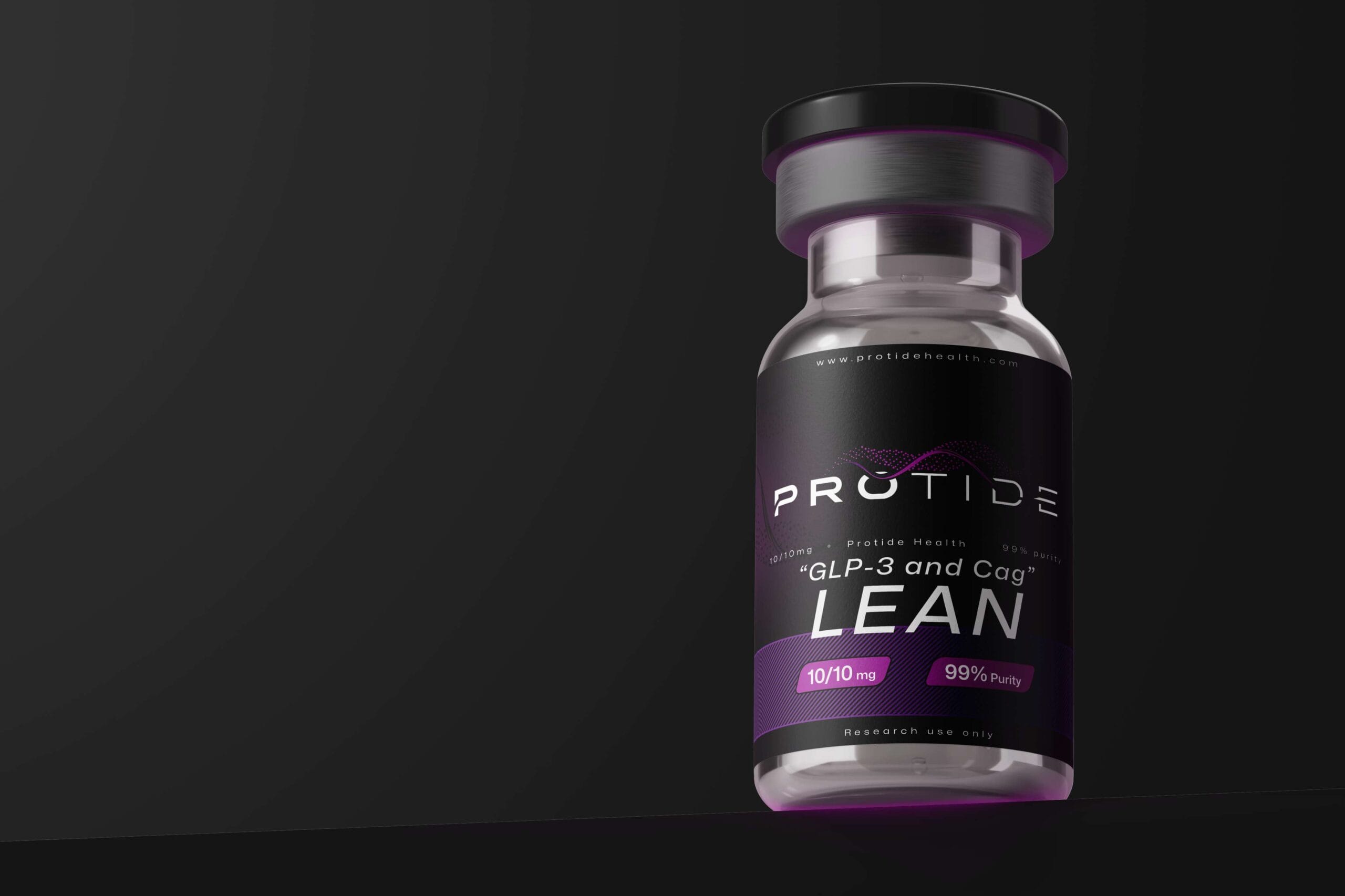
What Is the GLP-3 and Cagrilintide Peptide Blend?
The GLP-3 and Cagrilintide peptide blend combines two distinct agents in one research-use-only format. GLP-3 is a triple-receptor agonist that engages GLP-1, GIP, and glucagon receptors, while Cagrilintide is a long-acting amylin-receptor analog that interacts with amylin receptors involved in gut-brain signaling pathways. Together, the blend is investigated as a tool to study multi-pathway receptor activation, downstream signaling cascades, and metabolic pathway markers in animal and other non-clinical research models, not as a therapeutic regimen.
Key takeaways
- Multi-target design: Models overlapping gut-hormone receptor signals and downstream signaling pathway activation in preclinical systems
- Amylin-pathway investigation: Cagrilintide’s amylin-receptor binding mechanisms are studied alongside GLP-1/GIP/glucagon receptor activity observed with GLP-3-class agonists
- Clinical context: Each component has an active clinical-trial landscape as an investigational drug; those prescription programs are separate from Protide Health’s research-only materials and are referenced here solely to contextualize receptor mechanisms and model design
How It Works
GLP-3 is a triple agonist at GLP-1, GIP, and glucagon receptors that has been evaluated in clinical obesity trials measuring receptor-activation markers, signaling pathway indicators, and metabolic parameters; these investigational studies involve prescription-drug programs that are separate from research-only peptide materials. The glucagon-receptor component has been studied for signaling pathways in hepatic lipid metabolism models and energy-expenditure pathway markers, within controlled clinical-trial settings rather than RUO contexts.
Cagrilintide is a long-acting amylin-receptor analog that targets amylin receptors and has been investigated for receptor-binding kinetics and downstream signaling pathway modulation in clinical research participants. In those trials, cagrilintide was evaluated via pharmacodynamic markers and pathway measurements under medical supervision.
Research data with combinations such as cagrilintide plus GLP-1 agonists indicate that pairing amylin-pathway agents with GLP-1 agonists can activate complementary gut-brain receptor signaling cascades, supporting the concept of multi-pathway receptor biology. This clinical-trial experience provides a mechanistic rationale for exploring GLP-3 and cagrilintide together in preclinical models, while recognizing that Protide Health supplies research-only compounds and that direct human data on this exact investigational pair remain limited and distinct from any RUO products.
LEAN “GLP-3 & Cag” Peptide Ingredient Table
| Component | Primary receptors | Pathway investigated | Notes |
|---|---|---|---|
| GLP-3 | GLP-1, GIP, glucagon | Multi-receptor signaling pathways and metabolic markers | Triple agonist investigated in clinical trials measuring receptor-activation markers, signaling pathway indicators, and metabolic parameters in a prescription-drug context, distinct from research-only materials |
| Cagrilintide | Amylin receptors | Amylin-receptor binding and signaling pathway modulation | Long-acting amylin-receptor analog studied in clinical protocols for receptor-binding kinetics and downstream signaling markers under medical supervision |
| Rationale for the blend | Complementary gut-hormone receptor signaling | Multi-pathway receptor activation and signaling cascade models | Clinical data with amylin-plus-GLP-1 combinations support exploring similar multi-pathway receptor designs in non-clinical research models |
Research Findings & Applicationsindings & Applications
Animal or in vitro contexts
Multi-receptor pathway models: Multi-receptor incretin agonism is used to investigate receptor-activation cascades, downstream signaling pathways, and metabolic pathway markers, with preclinical work examining hepatic lipid-pathway signaling and related molecular indicators in laboratory models.
Safety, Quality, and Sourcing
For any research involving metabolic peptides, quality controls are critical:
- Third-party testing with clear COAs and labeled content for each lot
- Transparent labeling of mg per vial and identification of all components
- Storage and reconstitution that follow lab SOPs for sterile technique, temperature control, and solvent compatibility
- Full traceability for lot numbers, COAs, and test reports
Researchers can source GLP-3- and Cagrilintide-based materials within a dedicated research peptides catalog that emphasizes clearly labeled, research-use-only compounds.
FAQs
What is the GLP‑3 and Cagrilintide research blend?
It is a research-only combination of GLP-3 and Cagrilintide designed to investigate complementary gut-hormone receptor pathways, multi-receptor signaling cascades, and metabolic pathway markers in non-clinical models. Clinical work with amylin-receptor plus GLP-1 agents informs this mechanistic interest but does not involve Protide Health materials or provide dosing guidance for research peptides.
How does Cagrilintide’s mechanism compare to GLP‑1 agents?
Cagrilintide acts at amylin receptors that are part of gut-brain signaling pathways, whereas GLP-1 agonists act at GLP-1 receptors involved in insulin-secretion pathways and glucose-homeostasis mechanisms. Because these receptor targets are different but related, they are often considered complementary when designing mechanistic studies and model systems.
What endpoints are commonly measured with a GLP-3 and Cagrilintide blend?
In preclinical work, researchers may measure receptor-binding assays, downstream signaling pathway markers (e.g., cAMP, phosphorylation cascades), gene-expression profiles, and metabolic pathway indicators (e.g., glucose-uptake markers, lipid-pathway enzymes). These endpoints quantify how multi-pathway hormone-receptor signaling modulates cellular and tissue-level mechanisms in experimental systems, representing measured laboratory parameters rather than clinical outcomes.
Is there evidence that amylin-receptor plus incretin-receptor signaling can produce complementary pathway activation?
Clinical trials combining an amylin-receptor analog such as Cagrilintide with a GLP-1 agonist have measured receptor-activation markers and downstream signaling indicators consistent with complementary gut-brain receptor biology in those investigational drug regimens. This concept motivates interest in multi-pathway model designs using GLP-3- and Cagrilintide-based research materials, without implying any approved indication or recommended use.
What are commonly reported observations in incretin and amylin-receptor clinical studies?
Across multiple trials, gastrointestinal-related markers and tolerability parameters are monitored, particularly during dose-titration phases. Pharmacodynamic and safety profiles vary by compound, dose, and population, and all such assessments occur in regulated clinical settings; Protide Health’s products remain strictly for laboratory research and are not intended for human use.
Disclaimer
Disclaimer: Products sold by Protide Health are for laboratory research purposes only and are not intended for human consumption, medical use, or veterinary use.
References
- Jastreboff AM, et al. Triple-Hormone-Receptor Agonist GLP-3 for Obesity — Phase 2 Trial, NEJM, 2023. (The Lancet)
- Enebo LB, et al. Cagrilintide + GLP-1 phase 1b trial, The Lancet, 2021. (The Lancet)
- The Lancet Editors. Once-weekly Cagrilintide for weight management in people with overweight or obesity, 2021. (The Lancet)
- ADA Meeting News. GLP-3 obesity, diabetes, and NASH highlights, 2023. (ADA Meeting News)