BPC-157 Peptide: 2026 Research Guide
Research‑Use‑Only Notice: All content on this website and all product information are for educational and informational purposes only. All products referenced are for laboratory research, analytical, and in‑vitro or preclinical in‑vivo use only. They are not medicines or drugs, have not been evaluated or approved by the FDA, and are not intended to diagnose, treat, cure, or prevent any disease. Any bodily introduction into humans or animals is strictly prohibited.
BPC-157 is a pentadecapeptide investigated for tissue-repair pathways, angiogenesis, and cytoprotective mechanisms in preclinical models. Studies explore nitric oxide signaling, vascular growth, and inflammatory modulation in animal and in-vitro systems. Human evidence remains limited; reviews call for rigorous, controlled trials before clinical application.
What Is BPC-157?
BPC-157 is a 15-amino-acid sequence studied primarily in rat and cell-culture models. Research examines vascular formation, nitric oxide pathways, and cellular stress responses. Recent reviews emphasize promising preclinical signals while noting that independent replication and human trials are absent (MDPI).
Laboratory investigations focus on:
- Tendon, muscle, nerve, and gastrointestinal tissue models
- Nitric oxide and growth-factor signaling pathways
- Mechanistic endpoints measured in animal studies
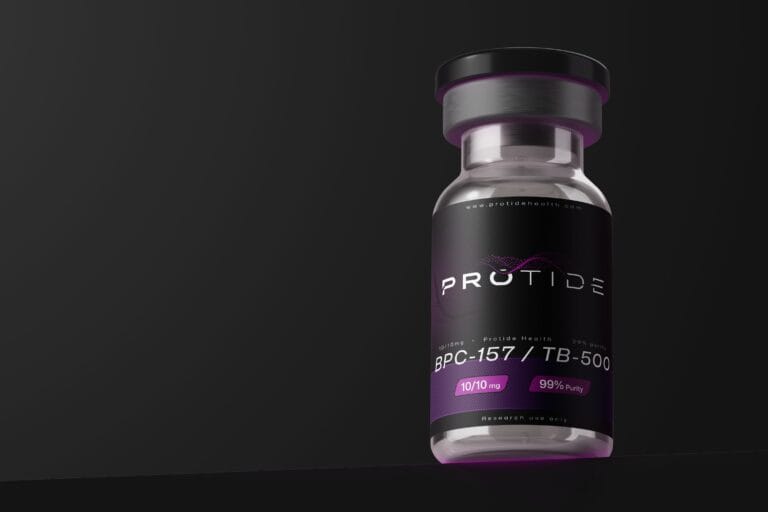
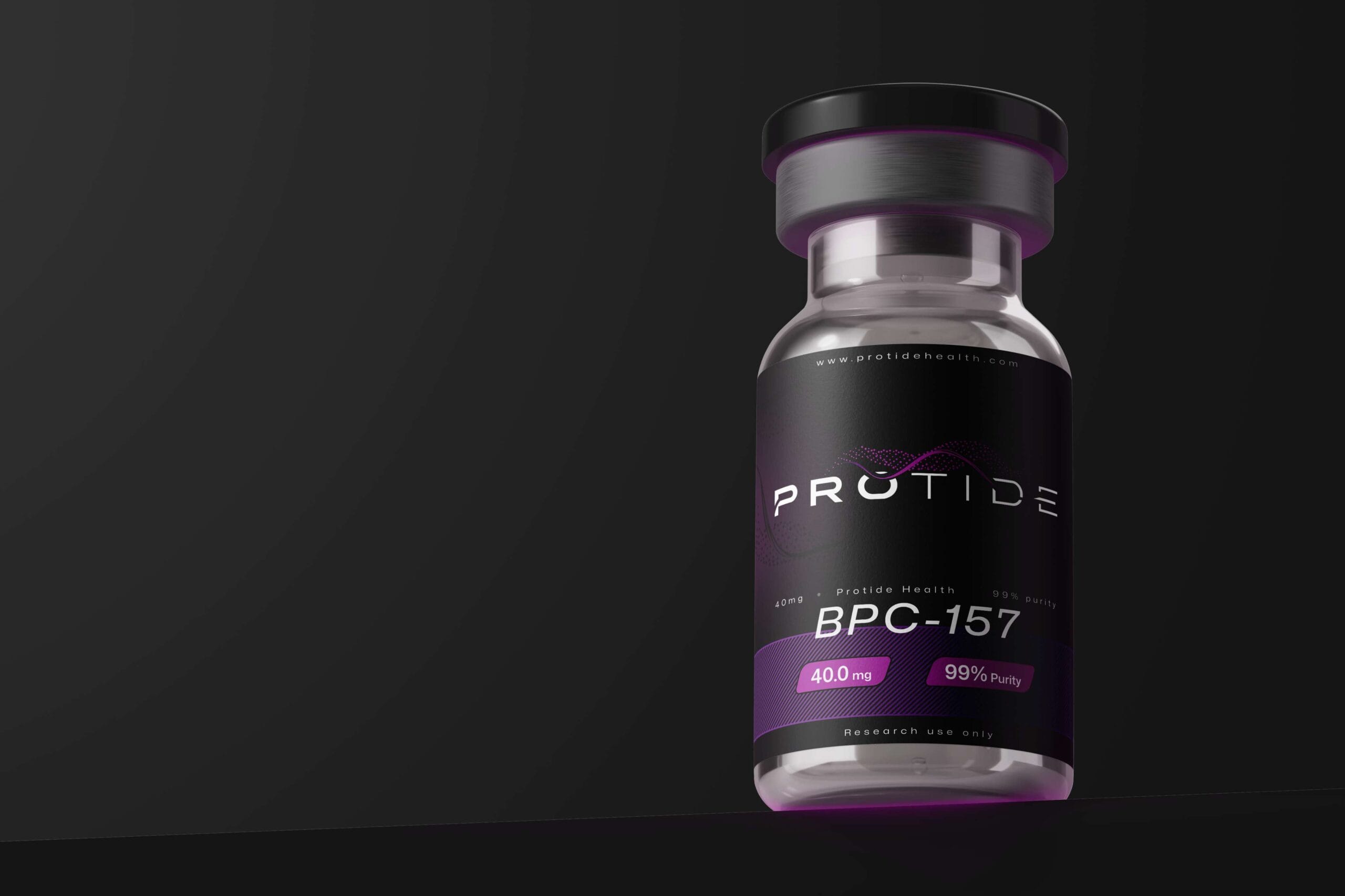
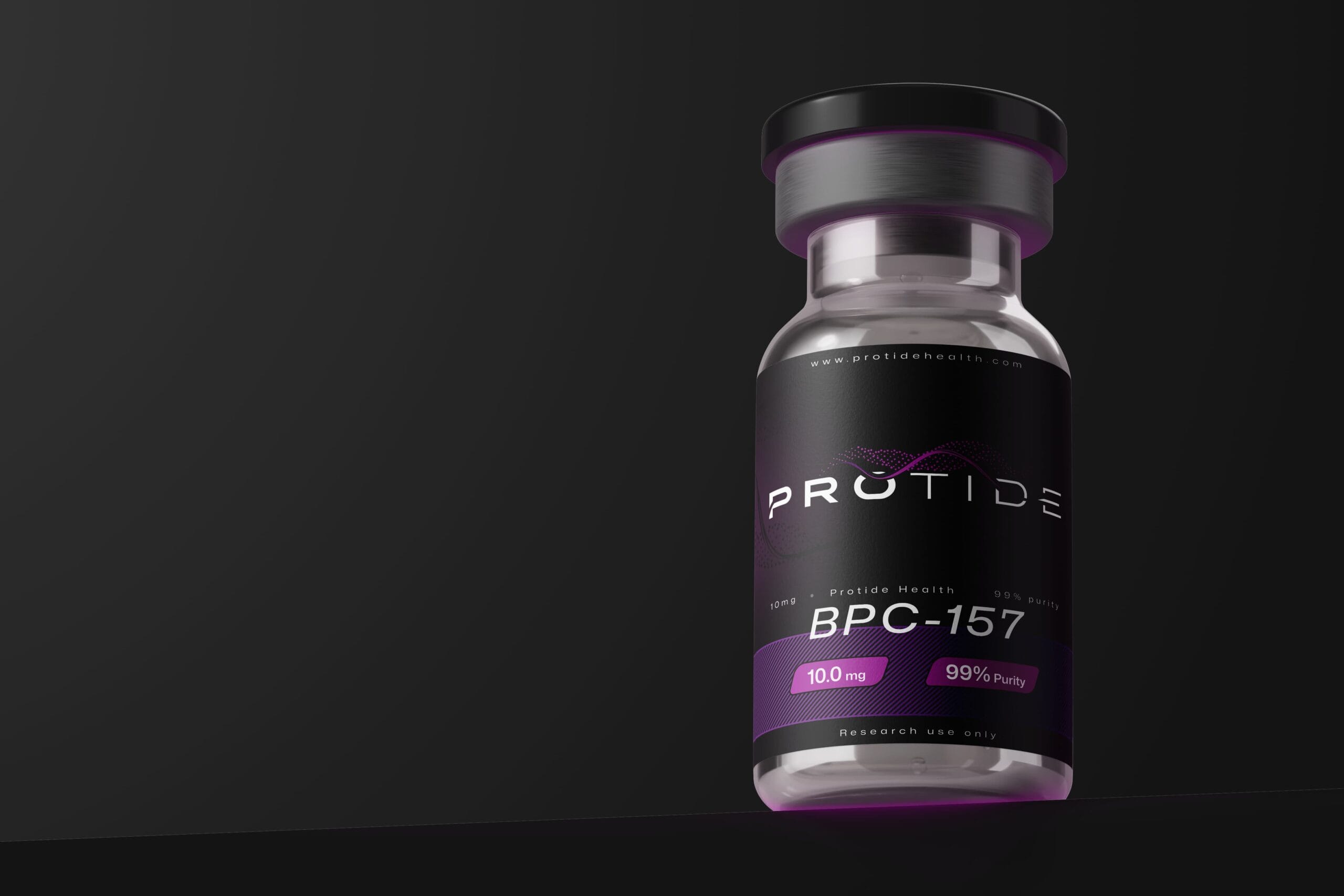
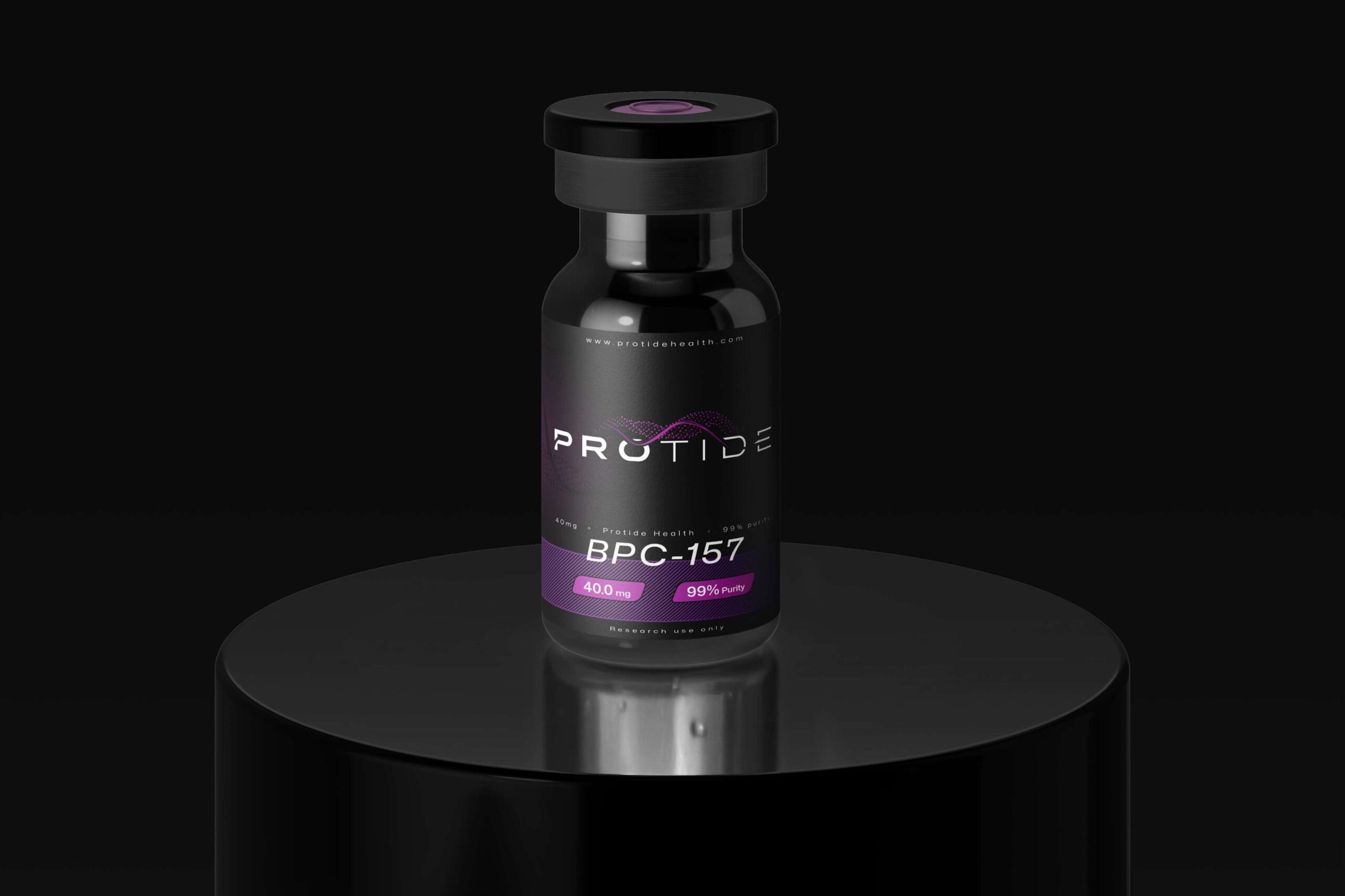
Explore research-grade BPC-157 in 10 mg and 40 mg vials with third-party certificates of analysis.
Research Mechanisms
Animal and in-vitro studies investigate multiple pathways:
Angiogenesis Pathways
Preclinical models measure effects on blood vessel formation and microvascular dynamics, potentially through VEGF signaling and related gene expression (MDPI). Studies examine vascular endpoints—not health benefits.
Nitric Oxide Signaling
Laboratory papers report interactions with nitric oxide systems that may influence blood flow and tissue-perfusion metrics in animal models (MDPI). Mechanisms remain under investigation.
Cytoprotective Pathways
In-vitro work describes reduced oxidative and ischemic stress markers in cell lines and rodent tissues (PubMed). Human relevance is unproven.
Laboratory Investigation Models
| Focus Area | Preclinical Measurements | Notes |
|---|---|---|
| Angiogenesis & NO | Vessel density, NO pathway markers | Measured in rat models; human translation unstudied (MDPI) |
| Tendon & Muscle | Collagen organization, tendon outgrowth | Rat explants show enhanced fibroblast survival (Physiology Journals) |
| Cytoprotection | Oxidative/ischemic stress markers | Protective signals in preclinical models; clinical data absent (PubMed) |
Animal studies report enhanced collagen markers and tendon outgrowth in rat Achilles models (Physiology Journals). Neurologic and vascular injury models show protective signals in ischemia/reperfusion protocols (PubMed). Gastrointestinal and soft-tissue investigations measure cytoprotective endpoints (MDPI).
Systematic reviews published in 2024–2025 highlight insufficient controlled human trials to determine safety or efficacy (SpringerLink). Authors call for rigorous, independent studies before any clinical application.
Laboratory Planning
For research use, focus on concentration, volume, and timepoint tracking rather than human dosing:
- Define target concentration (mg/mL) after reconstitution
- Calculate volume per administration step for your model
- Align timepoints with study endpoints (e.g., day 3, 7, 14) based on literature kinetics (Physiology Journals)
- Document batch, lot, and concentration for reproducibility
Use the peptide reconstitution tool to convert mass, volume, and concentration for experimental planning.
Quality and Sourcing
Third-party testing ensures batch consistency and purity documentation suitable for research protocols. Reviews note the absence of validated human dosing and safety data; products are for laboratory investigation only, not human consumption (SpringerLink).
Early animal toxicology work reported favorable profiles within tested ranges, but these findings do not establish human safety (ScienceDirect). Plan sterile reconstitution, compatible solvents, and cold storage per laboratory SOPs; avoid repeated freeze-thaw cycles.
Browse research-grade BPC-157 and other research peptides at Protide Health.
Frequently Asked Questions
What is BPC-157 used for in research?
Scientists investigate BPC-157 for tissue-repair mechanisms, vascular pathways, and cytoprotective endpoints in animal and cell models (MDPI). Human-grade dosing and clinical outcomes remain unproven in controlled trials.
Is BPC-157 FDA approved?
No. BPC-157 is not FDA approved for any medical indication (SpringerLink). Current literature emphasizes the need for robust human trials. Products are for research use only.
What does the science say about tendon or muscle healing?
Rat and in-vitro studies measure improved tendon outgrowth and collagen organization, suggesting pro-healing signals in those models (Physiology Journals). Translation to humans requires clinical trials.
Are there known side effects?
Preclinical toxicology suggests favorable profiles in animals within tested ranges, but the absence of controlled human data means potential risks are not well characterized (ScienceDirect). Handle as a research chemical under laboratory safety SOPs.
How do I figure out dosing for my lab model?
Start with concentration planning. Use the peptide reconstitution tool to convert mg ↔ mL ↔ mg/mL. Align exposure and timepoints to your endpoints, then document.
Can I buy BPC-157 in the US?
You can purchase research-grade BPC-157 for laboratory use from reputable vendors like Protide Health with transparent testing.
How is BPC-157 stored and reconstituted?
Follow laboratory sterile technique and storage SOPs. Most labs prepare a working solution at a defined concentration, aliquot, and refrigerate or freeze as appropriate. Review the peptide reconstitution guide for step-by-step protocols.
References
- Comprehensive review of BPC-157 multifunctionality and mechanisms; emphasizes preclinical nature. MDPI
- Safety and therapeutic framing with tendon and microvascular findings summarized. MDPI
- Narrative review in musculoskeletal medicine highlighting the need for rigorous human trials. SpringerLink
- Tendon explant and fibroblast survival study in rat models. Physiology Journals
- Safety evaluation in animal models; favorable within tested ranges. ScienceDirect
- Overview of BPC-157 and central nervous system injury models. PubMed