Sale!

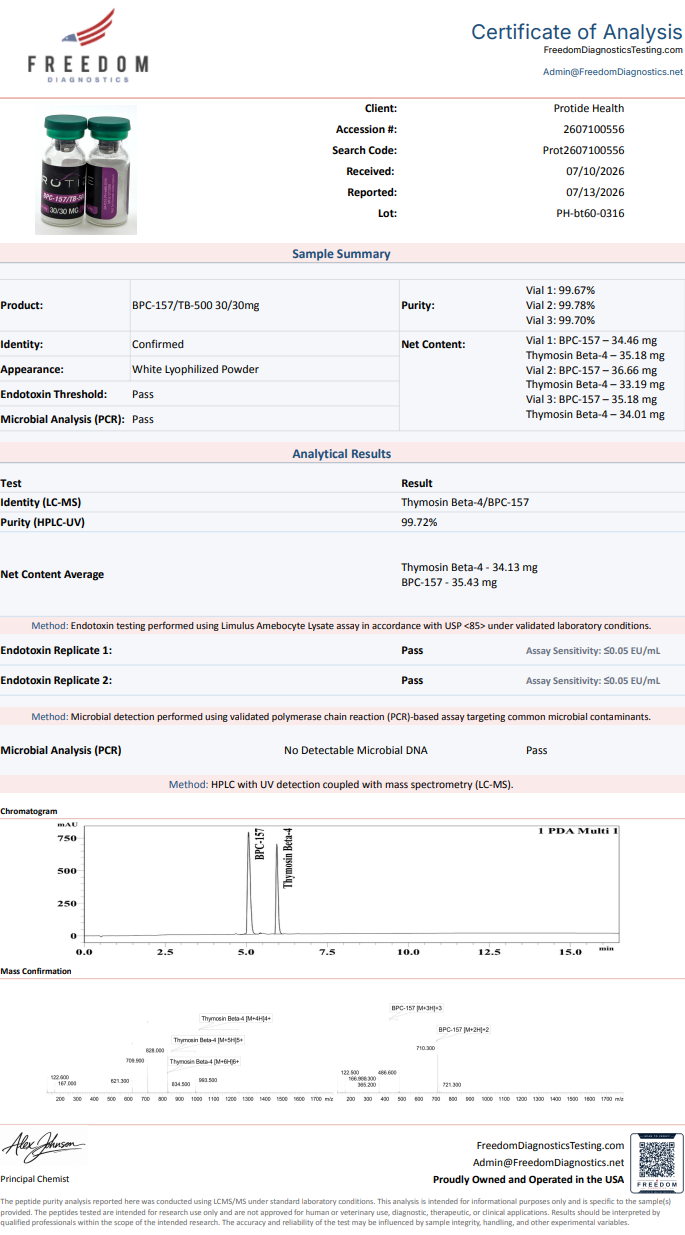
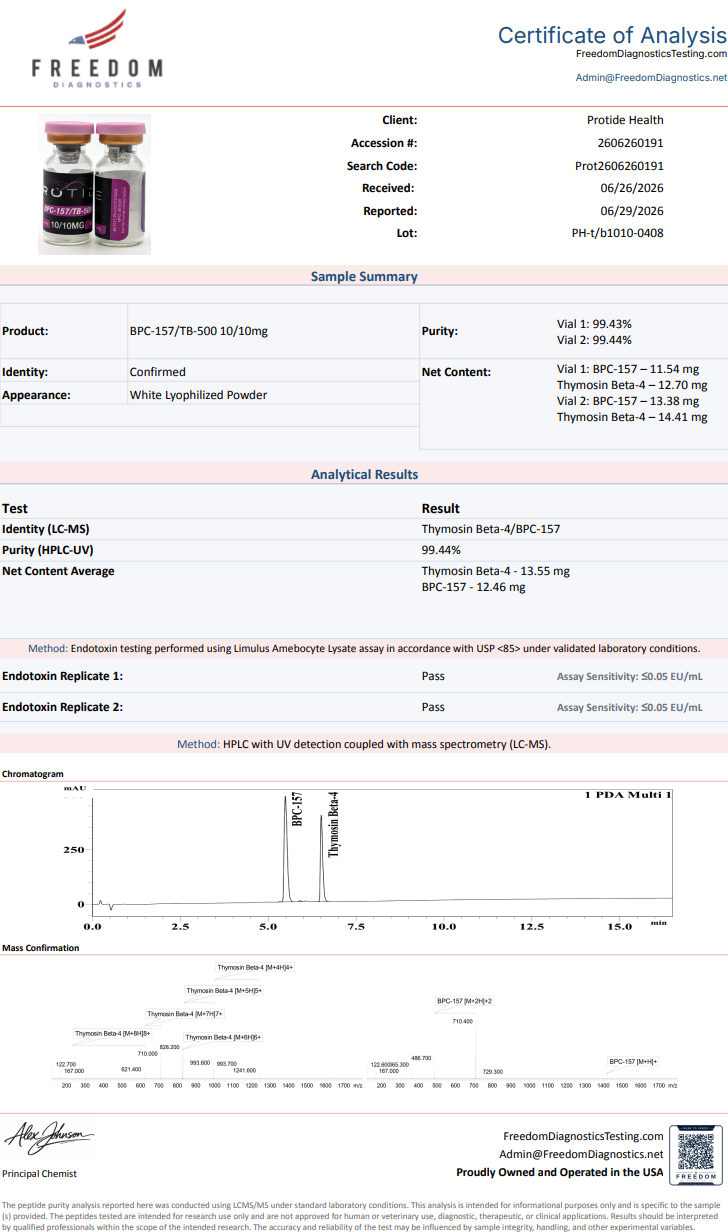
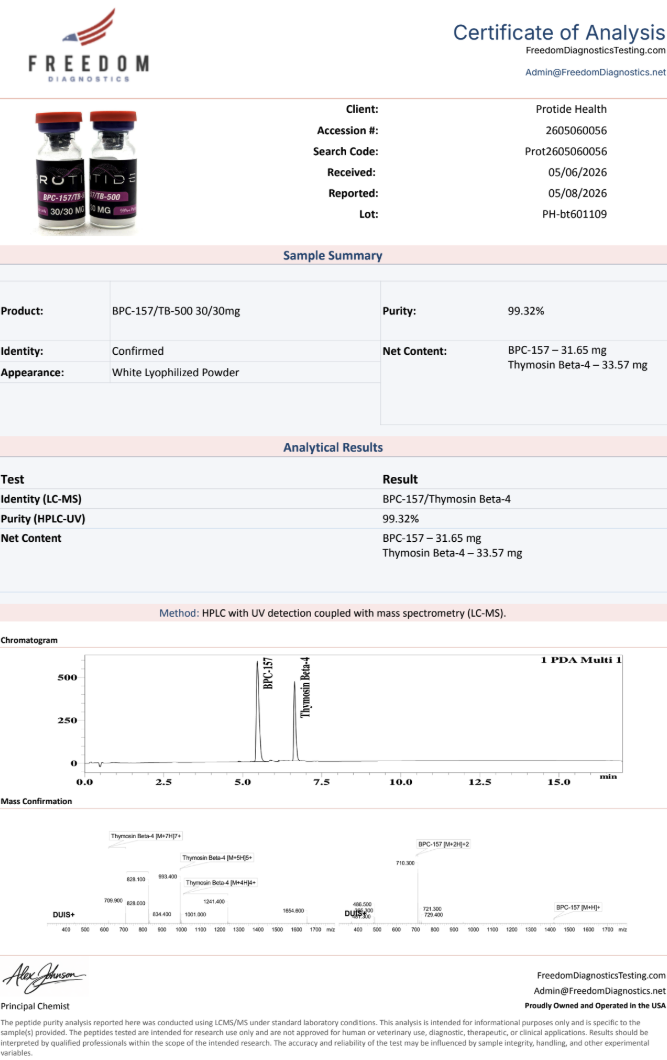
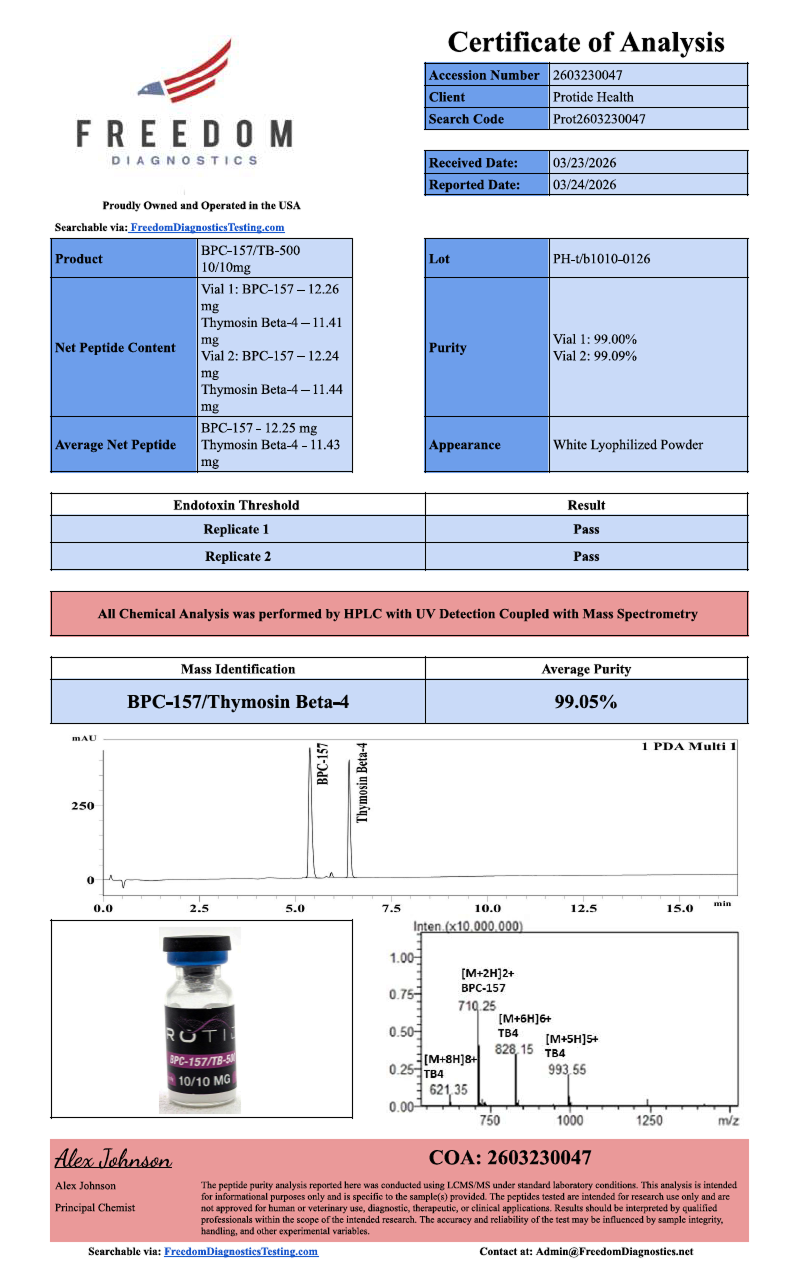
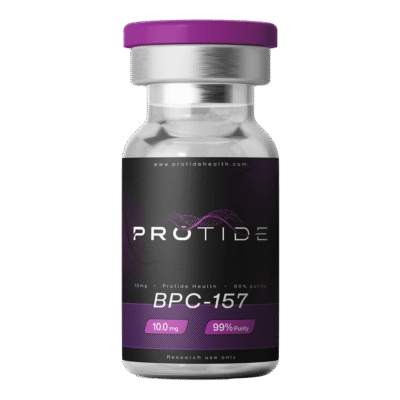
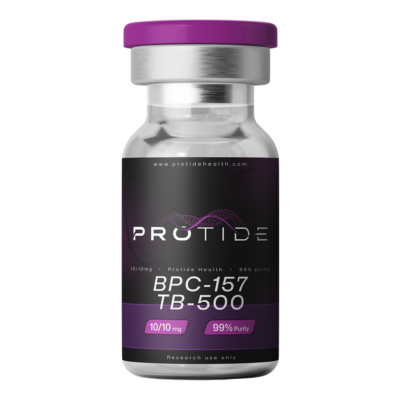
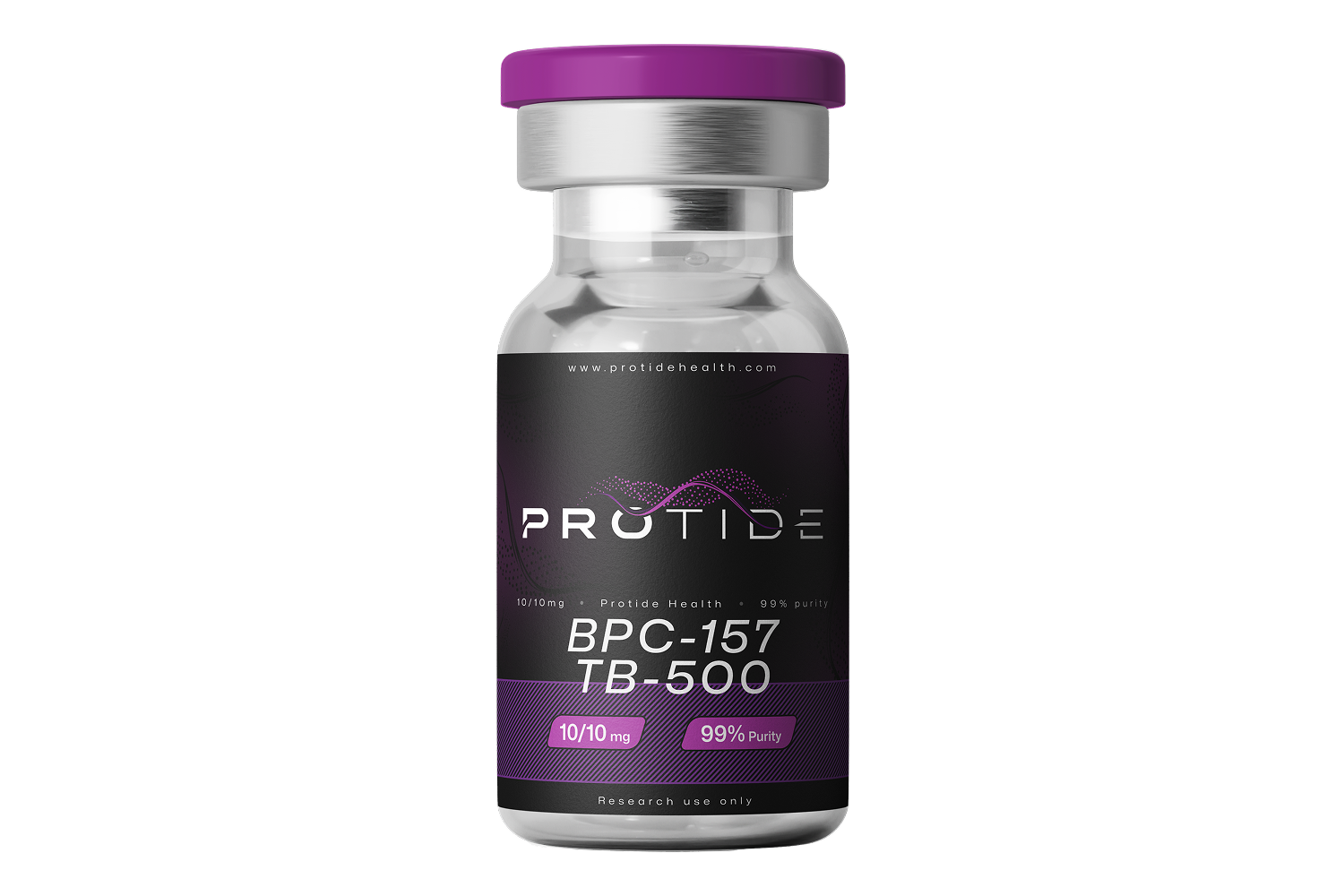
BPC-157/TB-500 10/10mg “Wolverine Blend”

Original price was: $145.00.Current price is: $125.00.

In stock

Earn 125 Points with this purchase!

Free shipping on orders over $149!

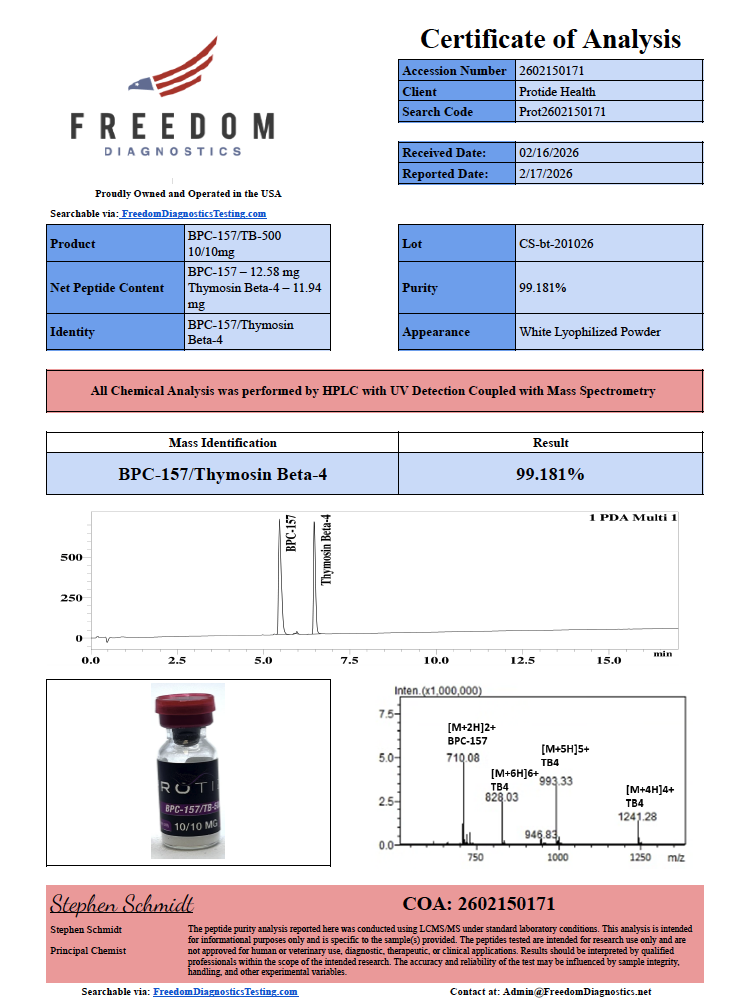
  • Done 99% Purity
  • Done Third-Party Tested
  • Done Secure Payments
  • Done Free BAC Water
  • Done Satisfaction Guaranteed
GUARANTEED SAFE CHECKOUT
  • Visa Card
  • MasterCard
  • American Express
  • PayPal


Research Overview of the BPC-157 + TB-500 Peptide Combination “Wolverine Blend”

The combination of BPC-157 and TB-500, commonly referred to as the Wolverine Blend in research communities, is one of the most frequently examined peptide pairings in modern preclinical literature. This pairing is studied for its complementary roles in angiogenesis, tissue repair, actin dynamics, endothelial migration, and inflammation-related pathways in animal and cellular models.

Although the nickname is informal, the underlying scientific interest is based on how these two peptides target different stages of the repair cascade. This article provides a professional, research-focused overview of each peptide, their mechanisms, and why laboratories often investigate them together.

Important:
This article is for educational purposes only.
BPC-157 and TB-500 are not approved for human or veterinary use.
They are typically supplied for laboratory research only.


Overview: What Is the BPC-157/TB-500 “Wolverine Blend”?

The Wolverine Blend refers to the combined research use of:

  • BPC-157 – a gastric-derived pentadecapeptide
  • TB-500 (Thymosin Beta-4 fragment) – a peptide known for its actin-binding and cell-migration properties

Researchers are interested in this combination because each peptide influences distinct yet interconnected biological processes involved in tissue and structural repair.

The blend is commonly evaluated across:

  • Angiogenesis and microvascular development
  • Endothelial migration
  • Actin polymerization and cytoskeletal reorganization
  • Inflammation-related signaling
  • Extracellular matrix (ECM) remodeling
  • Soft-tissue and musculoskeletal repair models

This makes the Wolverine Blend a multi-pathway research tool for examining coordinated repair processes in rodent and in vitro systems.


BPC-157: Mechanisms and Research Focus

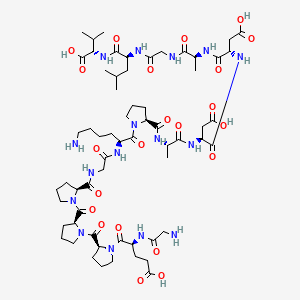
BPC-157 (Body Protection Compound-157) is a synthetic peptide derived from a naturally occurring protein in gastric juice. Research has explored its potential involvement in several key pathways.

1. Angiogenesis and Vascular Stability

BPC-157 has been investigated for its interaction with:

  • VEGFR2
  • AKT/eNOS pathways
  • Endothelial cell migration

These pathways are relevant in studies of vascular repair, microcirculation, and soft-tissue remodeling.

2. Soft-Tissue Healing Models

Rodent studies have shown effects on the repair of:

  • Tendons
  • Ligaments
  • Muscle tissue
  • Gastrointestinal tissues

These models frequently examine wound closure rates, strength of repaired tissue, and microvascular patterns.

3. Inflammation-Related Pathways

Several studies describe reductions in inflammatory markers and modulation of cytokines in rodent models. BPC-157 has been used to examine protective and cytoregulatory functions in preclinical settings.

Summary:
BPC-157 is typically studied for its upstream role in angiogenic signaling, vascular integrity, endothelial migration, and modulation of inflammatory responses in laboratory environments.


TB-500 (Thymosin Beta-4 Fragment): Mechanisms and Research Focus

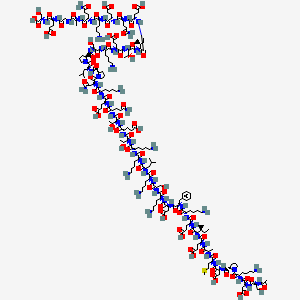
TB-500 is the research peptide sequence derived from Thymosin Beta-4, a ubiquitous actin-binding protein present in nearly all mammalian cells.

1. Actin Polymerization and Cytoskeletal Organization

TB-500 has been extensively studied for its ability to influence:

  • Actin polymerization
  • Cell migration
  • Structural organization during tissue repair

Actin dynamics underpin the movement of cells during the healing process, making this peptide central to many mechanistic studies.

2. Angiogenesis

TB-500 is used in research models that examine:

  • Blood vessel formation
  • Microvascular development
  • Collateral circulation

These models highlight the peptide’s involvement in structural aspects of angiogenesis.

3. Dermal and Corneal Repair Models

TB-500 is well documented in ophthalmology and dermatology research for its role in:

  • Corneal wound healing
  • Dermal repair processes
  • Fibroblast migration

These studies examine epithelial closure rates, cellular organization, and tissue stratification.

Summary:
TB-500 is generally studied for structural and mechanical phases of repair, including cell migration, cytoskeletal organization, actin dynamics, and structural angiogenesis.


Why BPC-157 and TB-500 Are Studied Together

The Wolverine Blend is frequently used in laboratory research due to the complementary nature of the peptides.

BPC-157: Signaling and Coordination

  • Initiates protective and angiogenic signaling
  • Enhances endothelial cell function
  • Supports microvascular repair
  • Influences inflammatory pathways

TB-500: Structural and Mechanical Repair

  • Drives actin reorganization
  • Promotes cellular migration
  • Supports fibroblast and myofibroblast dynamics
  • Contributes to structural angiogenesis

Combined Research Considerations

When used together, researchers can examine:

  • Coordinated vascularization and microcirculation
  • Faster or more efficient endothelial and fibroblast migration
  • Structural tissue organization
  • ECM remodeling
  • Inflammation-related outcomes
  • Soft-tissue strength and closure in rodent injury models

This synergistic framework is why controlled studies often refer to the pairing as a “complete repair model.”


Common Research Models

In Vitro

  • Scratch-wound assays
  • Tube-formation assays (angiogenesis)
  • Actin polymerization assays
  • Cytokine expression panels
  • ECM protein quantification

In Vivo (Rodent)

  • Tendon and ligament repair
  • Muscle injury models
  • Vascular injury and microcirculation studies
  • Gastrointestinal mucosal integrity
  • Nerve injury and neuroprotection models

Outcomes Typically Measured

  • Vessel density and branching
  • Collagen and ECM structure
  • Tensile strength of repaired tissue
  • Rate of wound closure
  • Inflammatory cytokine profiles
  • Organization of actin fibers
  • Histological grading of tissue regeneration

Safety and Regulatory Notes

BPC-157 and TB-500 are:

  • Not FDA-approved
  • Not dietary supplements
  • Not intended for human or veterinary administration
  • Used strictly in laboratory and preclinical research

Research findings from animals or cell studies cannot be extrapolated to clinical or human outcomes.


Conclusion

The Wolverine Blend represents one of the most extensively examined peptide pairings in preclinical research due to its complementary mechanisms. BPC-157 is primarily associated with upstream angiogenic signaling, modulation of inflammation, and endothelial support, while TB-500 contributes to structural aspects of repair including actin polymerization, cell migration, and cytoskeletal reorganization.

Together, these peptides allow laboratories to examine multi-layer repair dynamics in rodent and cell-based models, offering a broad framework for studying vascular, structural, and inflammatory processes involved in tissue recovery.


Scientific References

BPC-157 Research

  1. Pevec D, et al. “BPC-157 and VEGFR2-AKT-eNOS Pathways in Endothelial Cells.” Molecular and Cellular Biochemistry, 2020.
    https://link.springer.com/article/10.1186/s10194-020-01102-y
  2. Starešinić M, et al. “Gastric Pentadecapeptide BPC-157 Improves Healing in Rodent Models.” Journal of Orthopaedic Research, 2003.
    https://onlinelibrary.wiley.com/doi/10.1002/jor.10120
  3. Sikiric P, et al. “Stable Gastric Pentadecapeptide BPC-157 in Cytoprotection.” Current Pharmaceutical Design, 2018.
    https://pubmed.ncbi.nlm.nih.gov/30288209/

TB-500 / Thymosin Beta-4 Research

  1. Grant DS, et al. “Thymosin Beta-4 Regulates Actin Polymerization.” Journal of Biological Chemistry, 1995.
    https://www.jbc.org/article/S0021-9258(19)58796-8/fulltext
  2. Malinda KM, et al. “Thymosin Beta-4 Promotes Angiogenesis.” FASEB Journal, 1997.
    https://faseb.onlinelibrary.wiley.com/doi/10.1096/fasebj.11.6.9194529
  3. Sosne G, et al. “Thymosin Beta-4 in Corneal Wound Healing.” Investigative Ophthalmology & Visual Science, 2002–2004.
    https://iovs.arvojournals.org/article.aspx?articleid=2123642

Combination and Mechanistic Reviews

  1. Kleinman HK, et al. “Thymosin Beta-4 and Tissue Repair Mechanisms.” Annals of the New York Academy of Sciences, 1999.
    https://pubmed.ncbi.nlm.nih.gov/10519144/
  2. Chang et al. “Regeneration or Risk? A Narrative Review of BPC-157 for Musculoskeletal Healing.” Current Reviews in Musculoskeletal Medicine, 2025.
    https://link.springer.com/article/10.1007/s12178-025-10010-3

Disclosure:
All products referenced or described are intended solely for laboratory research use and are not for human consumption, medical use, clinical use, or veterinary use. These materials are not drugs, have not been evaluated by the FDA, and are not approved to diagnose, treat, cure, or prevent any disease. They must be handled only by qualified professionals in controlled laboratory settings, following all applicable safety guidelines. Any discussions relating to biological mechanisms, pathways, or scientific literature are provided strictly for educational and informational purposes. No statements in this article constitute medical advice or imply suitability for human use.

Weight1 lbs
Dimensions1 × 1 × 1 in

You may also like…

  • Sale! High Quality Peptides -Klow Peptide Blend

    Klow Blend: 50mg/10/10/10 (GHK-CU, KPV, BPC-157, TB-500)

    Original price was: $190.00.Current price is: $150.00.
    Read moreLoading Done
  • Sale! Cartalax High Quality Peptides

    Cartalax 20mg

    Original price was: $88.00.Current price is: $68.00.
    Add to cartLoading Done