The 2026 Nootropic Peptide Guide: Top 6 Compounds for Cognitive Research
Research‑Use‑Only Notice: All content on this website and all product information are for educational and informational purposes only. All products referenced are for laboratory research, analytical, and in‑vitro or preclinical in‑vivo use only. They are not medicines or drugs, have not been evaluated or approved by the FDA, and are not intended to diagnose, treat, cure, or prevent any disease. Any bodily introduction into humans or animals is strictly prohibited.
N-Acetyl Semax Amidate, N-Acetyl Selank, and NAD+ are investigated in preclinical models for neurotrophic factor expression, GABAergic modulation, and mitochondrial bioenergetics. Studies examine these peptides for mechanisms underlying cognitive function, neuroplasticity, and cellular metabolism in laboratory settings.
Nootropic Peptides Investigated in Cognitive Research
N-Acetyl Semax Amidate
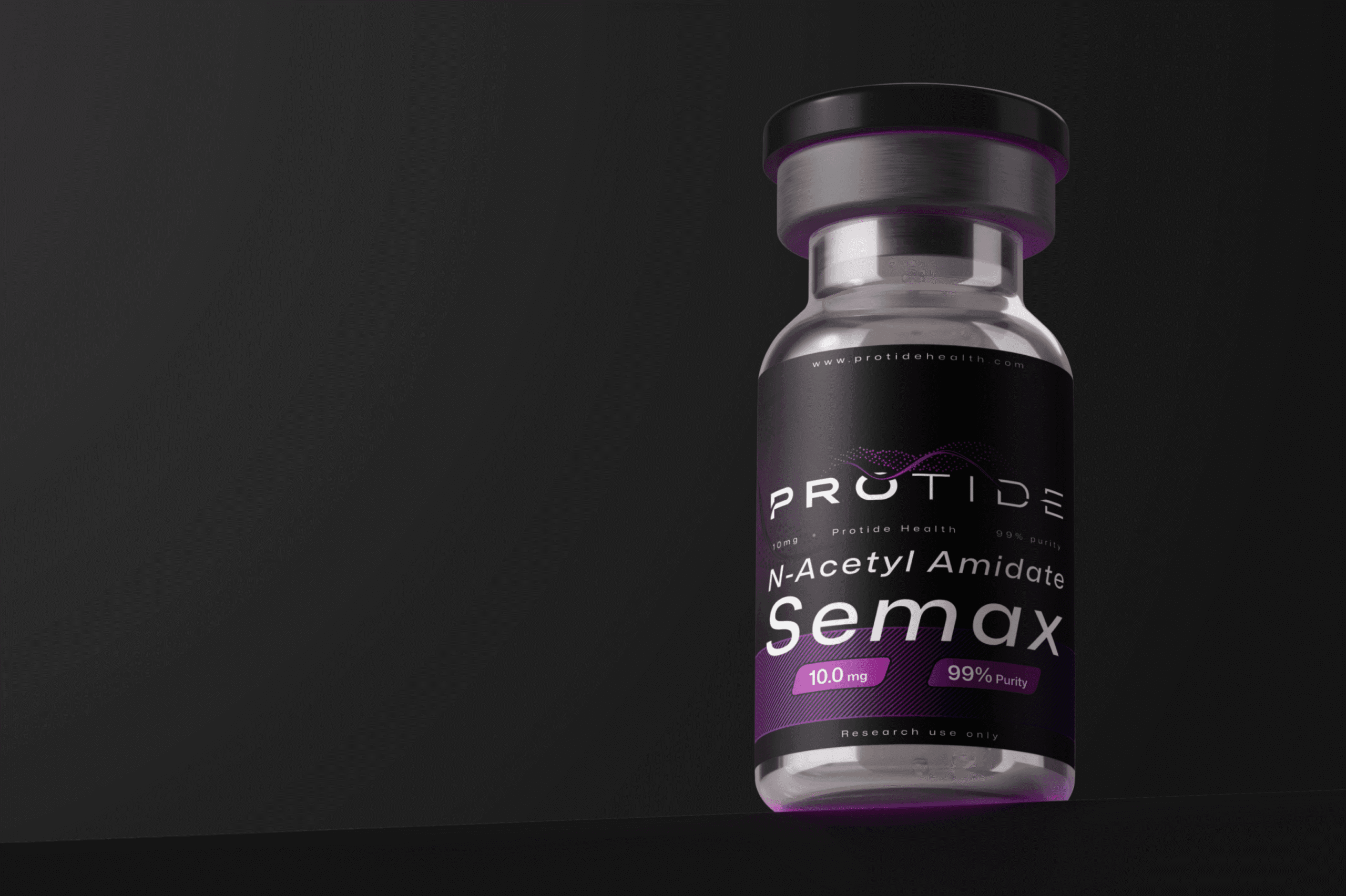
N-Acetyl Semax Amidate is studied for its effects on Brain-Derived Neurotrophic Factor (BDNF) and Nerve Growth Factor (NGF) expression in animal models (PubMed). Laboratory studies measure neuroplasticity markers and cellular signaling in rodent hippocampal tissue. The N-Acetyl and Amidate modifications enhance stability and blood-brain barrier permeability in preclinical models compared to the base heptapeptide. Explore N-Acetyl Semax Amidate 10mg.
N-Acetyl Selank
Research examines N-Acetyl Selank for GABAergic receptor modulation and serotonin metabolism pathways in vitro and in animal studies (PubMed). Studies investigate:
- GABAergic system signaling
- Monoamine neurotransmitter pathways
- Anxiolytic-like behavior in rodent models
Human evidence for executive function remains limited. Explore Selank 10mg.

NAD+ 1000mg
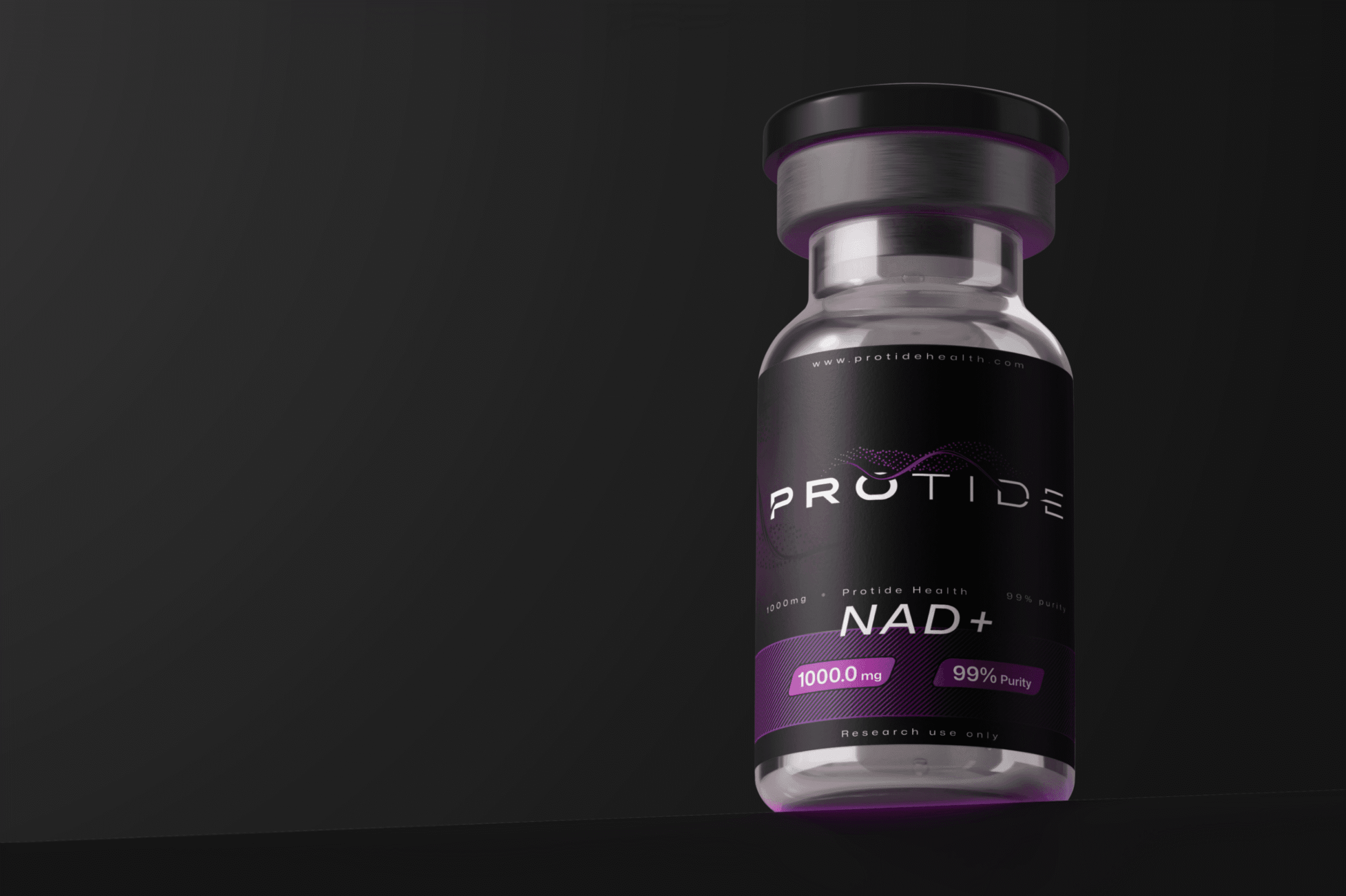
NAD+ (Nicotinamide Adenine Dinucleotide) is a coenzyme required for mitochondrial electron transport chain reactions and Sirtuin-mediated DNA repair pathways (PubMed). Laboratory models investigate NAD+ supplementation for cellular ATP production and oxidative stress responses. Animal studies measure age-related declines in NAD+ availability. View NAD+ 1000mg.
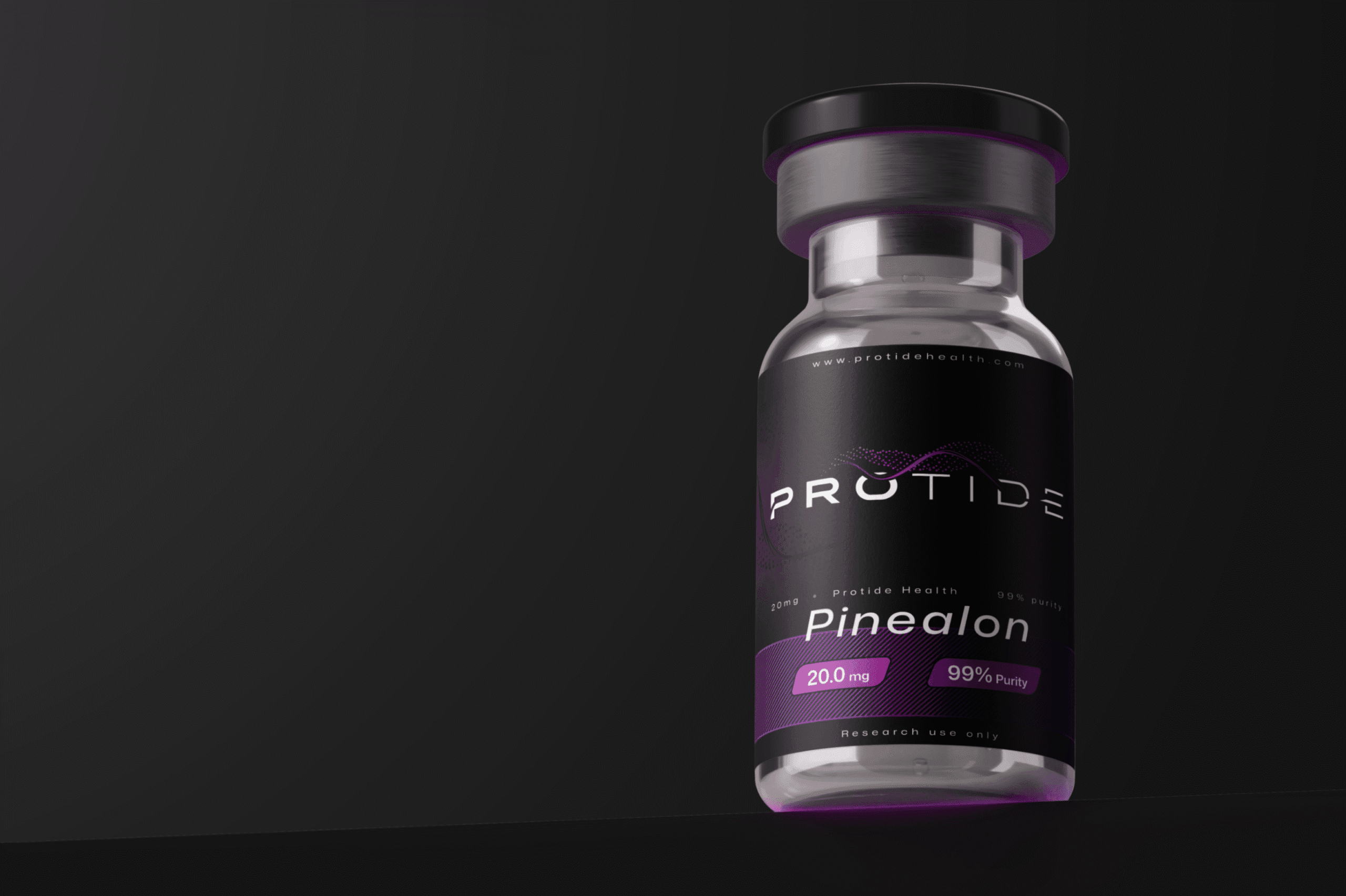
Pinealon 20mg
Pinealon is a tripeptide (Glu-Asp-Arg) studied for gene expression modulation in pineal gland tissue (PubMed). Research measures:
- Circadian rhythm gene regulation
- Protein synthesis in neural cells
- Antioxidant enzyme expression
Studies focus on laboratory models of cellular aging and oxidative damage. Explore Pinealon 20mg.
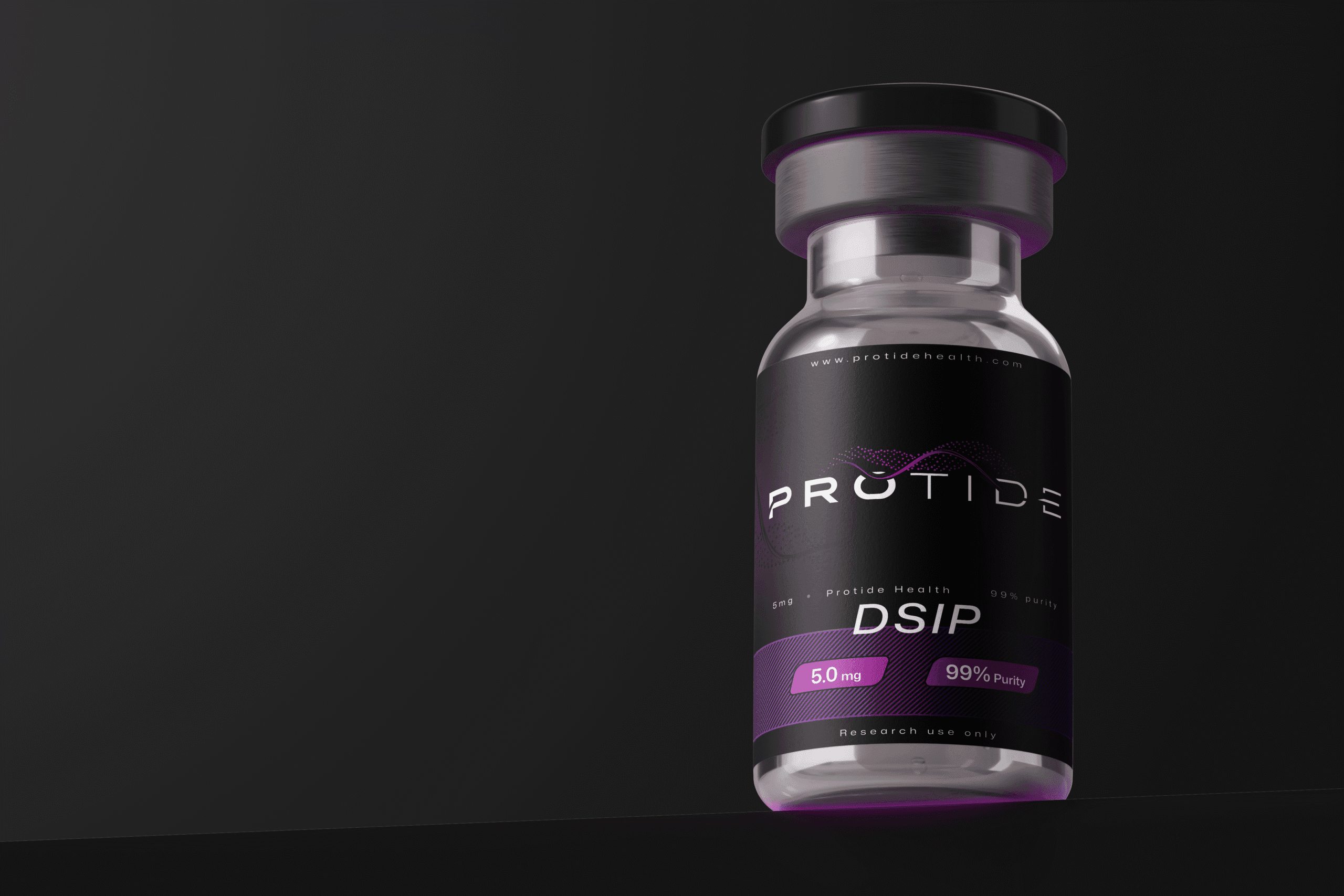
DSIP 5mg
Delta Sleep-Inducing Peptide (DSIP) is investigated in animal models for slow-wave sleep architecture and glymphatic clearance pathways (PubMed). Studies measure delta-wave EEG patterns and metabolic waste removal in rodent brain tissue. Human sleep studies remain preliminary. View DSIP 5mg and 10mg vials.
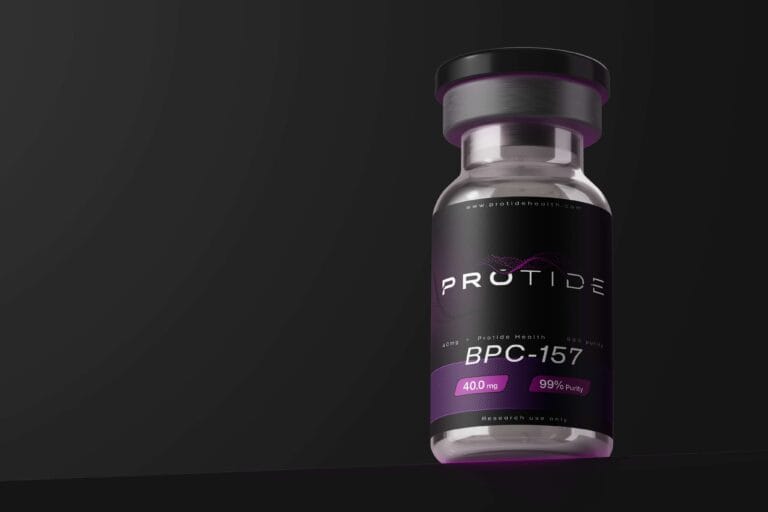
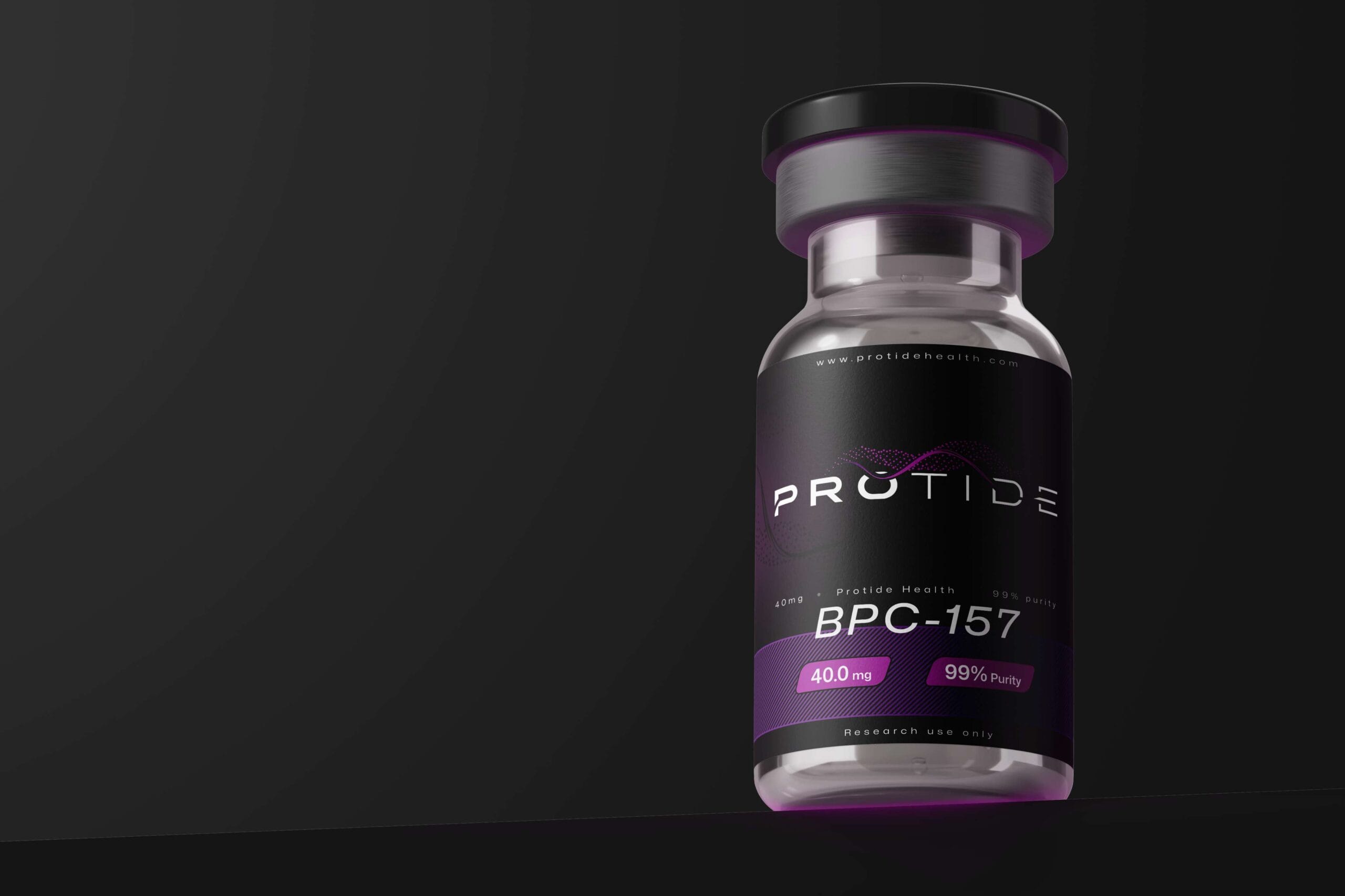
BPC-157
BPC-157 is studied in preclinical models for gut-brain axis signaling and dopaminergic pathway modulation (PubMed). Laboratory research measures:
- Angiogenesis (new blood vessel formation)
- Gastrointestinal epithelial repair markers
- Neurotransmitter receptor expression
Studies investigate systemic inflammation pathways that may influence central nervous system function. Explore BPC-157 10mg and BPC-157 40mg options.
Cognitive Focus Research Bundle
The Cognitive Focus Research Bundle combines N-Acetyl Semax Amidate (10mg), N-Acetyl Selank (10mg), and NAD+ (500mg) for multi-pathway investigation. Studies examine neurotrophin signaling, GABAergic modulation, and mitochondrial bioenergetics in laboratory models.
Peptide Synergy Blends
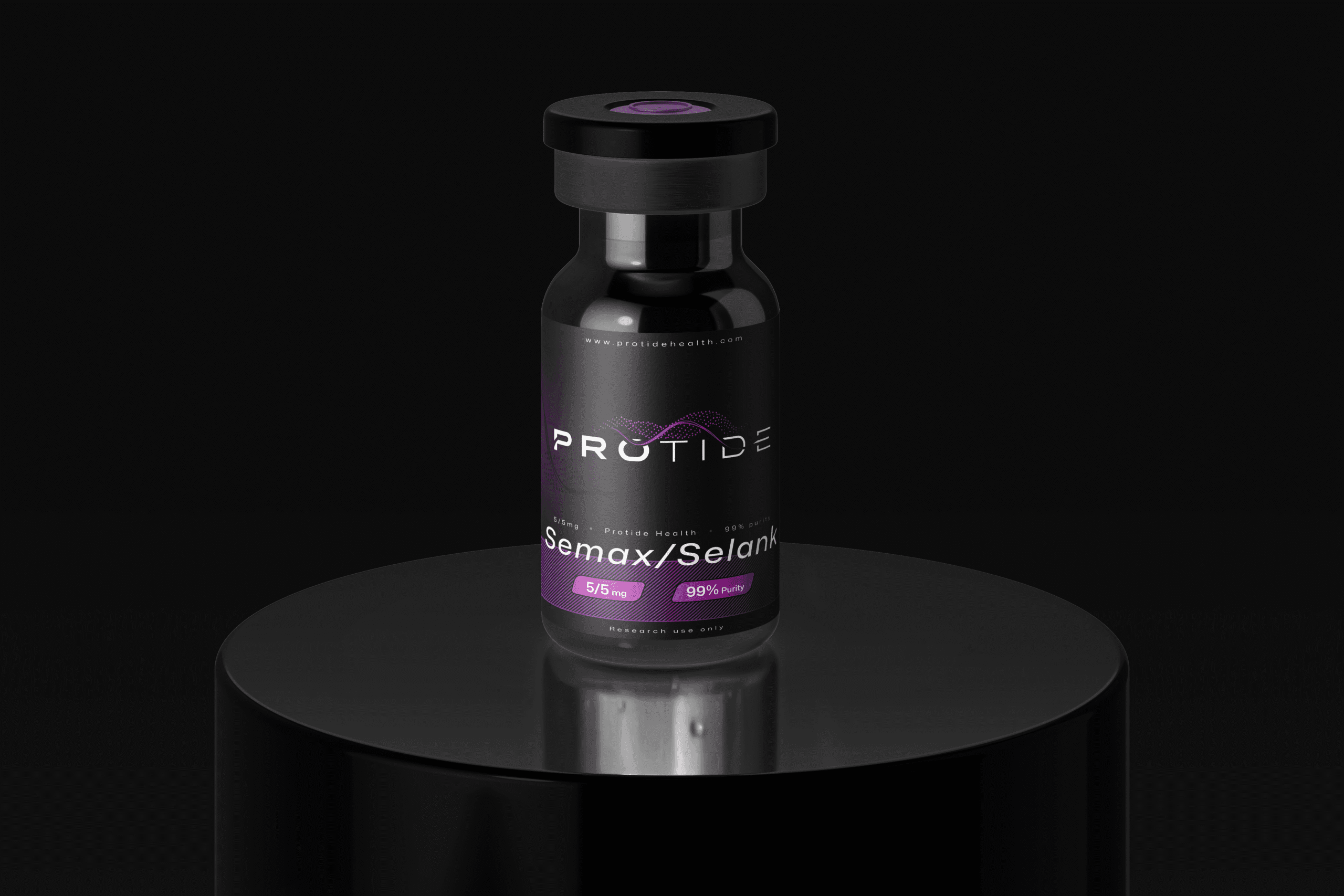
Semax & Selank 5/5mg Blend
The Semax and Selank 5/5mg Blend provides a 1:1 ratio for studies measuring stimulatory versus anxiolytic pathway interactions in animal models. Research focuses on prefrontal cortex neurotransmitter balance.
Nootropic Peptide Mechanisms
| Peptide | Pathway Investigated | Research Focus |
|---|---|---|
| Semax (N-Acetyl Amidate) | BDNF/NGF signaling | Neuroplasticity markers in vitro |
| Selank (N-Acetyl) | GABAergic modulation | Receptor binding studies |
| NAD+ | Sirtuin activation / ATP synthesis | Mitochondrial respiration assays |
| Pinealon | Gene expression | Circadian rhythm models |
| BPC-157 | Angiogenesis / gut epithelium | Gut-brain axis signaling |
Quality Standards
Protide Health products feature:
- 99%+ purity verified by third-party HPLC analysis
- USA-based manufacturing with quality control protocols
- Free bacteriostatic water with every order
FAQs
What pathways distinguish Semax from Selank in preclinical studies?
How does N-Acetyl Semax Amidate differ from standard Semax?
The N-Acetyl and Amidate modifications increase enzymatic stability and blood-brain barrier permeability in animal models. Studies measure longer half-life and enhanced central nervous system bioavailability compared to unmodified Semax peptide.
Why is NAD+ studied in cognitive research models?
NAD+ is required for mitochondrial electron transport and Sirtuin-mediated gene regulation. Laboratory models investigate NAD+ supplementation for ATP production and oxidative stress responses in neural tissue (PubMed). Human cognitive studies are preliminary.
What mechanisms are investigated for BPC-157 in brain research?
Studies measure gut-brain axis signaling, dopaminergic pathway modulation, and systemic inflammation markers in rodent models (PubMed). Research examines gastrointestinal epithelial integrity and neurotransmitter receptor expression. Human neurological evidence is absent.
What pathways does DSIP influence in sleep research?
Animal studies measure slow-wave sleep EEG patterns and glymphatic clearance of metabolic waste in brain tissue (PubMed). Research investigates delta-wave induction mechanisms. Human sleep architecture studies remain limited.
How should peptides be stored for laboratory use?
Lyophilized peptides remain stable at room temperature for short periods but should be refrigerated (2–8°C) for long-term storage. Once reconstituted with bacteriostatic water, peptides must be refrigerated and used within specified timeframes.
References
- Medvedeva et al. Semax as a Cognitive Enhancer: Effects on BDNF Expression and Neuroplasticity. PubMed
- Kozlovskaya et al. N-acetyl Selank: Comparative Analysis of Anxiolytic Effects and GABAergic System Modulation. PubMed
- Sikiric et al. The Brain-Gut Axis: Gastric Pentadecapeptide BPC 157 as a Therapeutic Agent for CNS Disorders. PubMed
- Lautrup et al. Therapeutic Potential of NAD+ Augmentation in Neurodegenerative Diseases. PubMed
- Khavinson et al. Short Peptide Pinealon (Glu-Asp-Arg) and its Effect on Pineal Gland Activity. PubMed
- Schoenenberger et al. Delta Sleep-Inducing Peptide (DSIP): Role in Glymphatic Clearance and Sleep Regulation. PubMed
Disclaimer: All products listed are for research purposes only and are not intended for human consumption or diagnostic use.