Best Peptides for Injury Recovery Research (2026): Tendon, Ligament & Joint Models
Research‑Use‑Only Notice: All content on this website and all product information are for educational and informational purposes only. All products referenced are for laboratory research, analytical, and in‑vitro or preclinical in‑vivo use only. They are not medicines or drugs, have not been evaluated or approved by the FDA, and are not intended to diagnose, treat, cure, or prevent any disease. Any bodily introduction into humans or animals is strictly prohibited.
If you’re searching for research peptides to study injury recovery pathways in laboratory settings, this guide helps you select compounds based on your experimental goals. We focus on tendon, ligament, and joint tissue repair models, providing clear information about Protide Health’s third-party tested research compounds and what to look for in a qualified supplier.
Key Takeaways (Research Summary)
- BPC-157 appears frequently in preclinical literature examining connective tissue models, particularly tendon and ligament repair pathways (Springer Link)
- TB-500 is studied as a thymosin beta-4 fragment in wound-repair and cell-migration research, primarily in preclinical models (Frontiers)
- KPV is investigated for inflammatory signaling pathways, including NF-κB-related mechanisms, rather than direct structural repair (Gastrojournal)
- GHK-Cu features prominently in extracellular matrix and collagen-related signaling research, particularly in cell culture models (ScienceDirect)
- Research peptide blends can streamline experimental designs targeting multiple pathways
What Is Injury Recovery Peptide Research?
Injury recovery peptide research involves controlled laboratory investigation of how peptides influence cellular and tissue responses during repair, remodeling, and inflammatory signaling. In this context, “recovery” refers to measurable laboratory endpoints such as cell migration rates, collagen organization markers, angiogenesis signaling factors, and inflammatory pathway activity—not clinical outcomes in humans.
Research Context Summary
- The majority of injury recovery peptide data originates from in vitro cell cultures and animal models, with limited human clinical evidence (Springer Link)
- Tendon and ligament studies typically measure fibroblast behavior, extracellular matrix protein expression, and biomechanical properties under controlled conditions
- Effective research design begins with defining specific study goals: tendon tissue models, ligament repair pathways, joint-adjacent soft tissue, inflammatory cascade investigation, or connective tissue matrix studies
For foundational information, explore our peptide research guides before selecting compounds from our research peptide categories.
Research Peptides for Tendon, Ligament & Joint Models: Product Comparison
This table compares Protide Health’s research compounds relevant to tissue repair and recovery pathway studies.
| Peptide/Product | Research Application | Why Researchers Select It | Study Considerations |
|---|---|---|---|
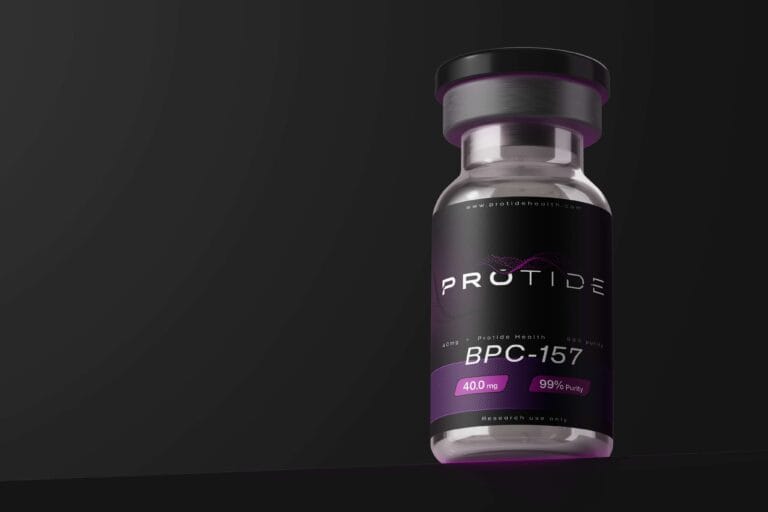
| BPC-157 10mg | Tendon/ligament tissue models | Frequently cited in preclinical musculoskeletal soft-tissue literature | Evidence base is predominantly preclinical; human data limited (Springer Link) |
| BPC-157/TB-500 Blend (10/10mg) | Multi-pathway repair investigation | Combines connective tissue and migration/repair signaling pathways | Blend composition should align with experimental endpoints |
| KPV 10mg | Inflammatory signaling research | Investigated in NF-κB and inflammatory pathway contexts | Primary focus is signaling modulation, not structural tissue repair (Gastrojournal) |
| GHK-Cu 50mg / 100mg | Collagen and ECM signaling | Copper peptide studied for collagen synthesis and extracellular matrix regulation | Stronger research foundation in dermal and ECM models than tendon-specific studies (ScienceDirect) |
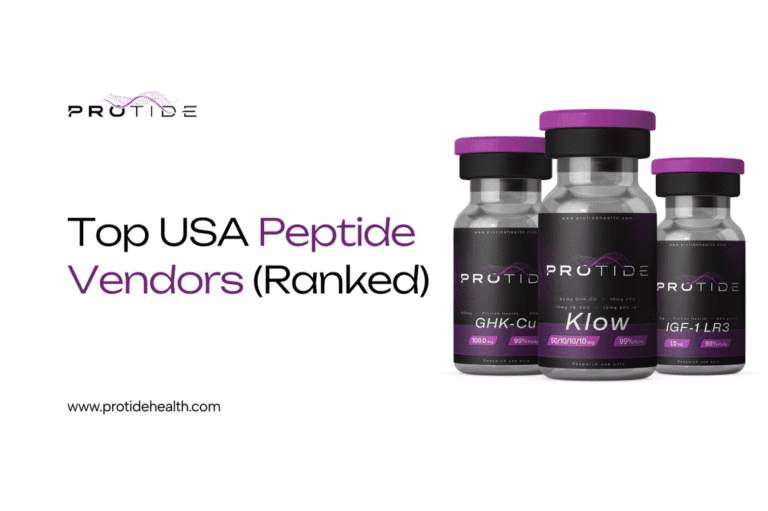
| Klow Blend (GHK-Cu/KPV/BPC-157/TB-500) | Comprehensive repair pathway studies | Designed to investigate repair + inflammation + connective tissue signaling | Useful for studies measuring multiple distinct endpoints |
| Glow Blend 35/10/5mg | Connective tissue + repair pathways | Combines collagen signaling peptide with repair-associated compounds | Often selected for combined tissue and surface marker endpoints |
| Glow Blend 50/10/10mg | Higher GHK-Cu formulation | Similar to Glow 35/10/5 with increased GHK-Cu concentration | Select blend concentration based on experimental design requirements |
Recommended Starting Points by Research Goal
- Single-compound tendon/ligament models: BPC-157 10mg
- Dual-pathway comparison studies: BPC-157/TB-500 Blend
- Inflammatory signaling investigation: KPV 10mg
- Connective tissue matrix research: GHK-Cu 50mg or 100mg
- Multi-endpoint recovery studies: Klow Blend
Browse all options in our Tissue Regeneration Research category or explore our best-selling research peptides.
Mechanisms of Action: Research Foundations
These peptides are investigated for their roles in repair signaling, tissue remodeling, and inflammatory pathway modulation. The critical context: most evidence derives from in vitro and animal models, with limited human clinical data for injury recovery applications.
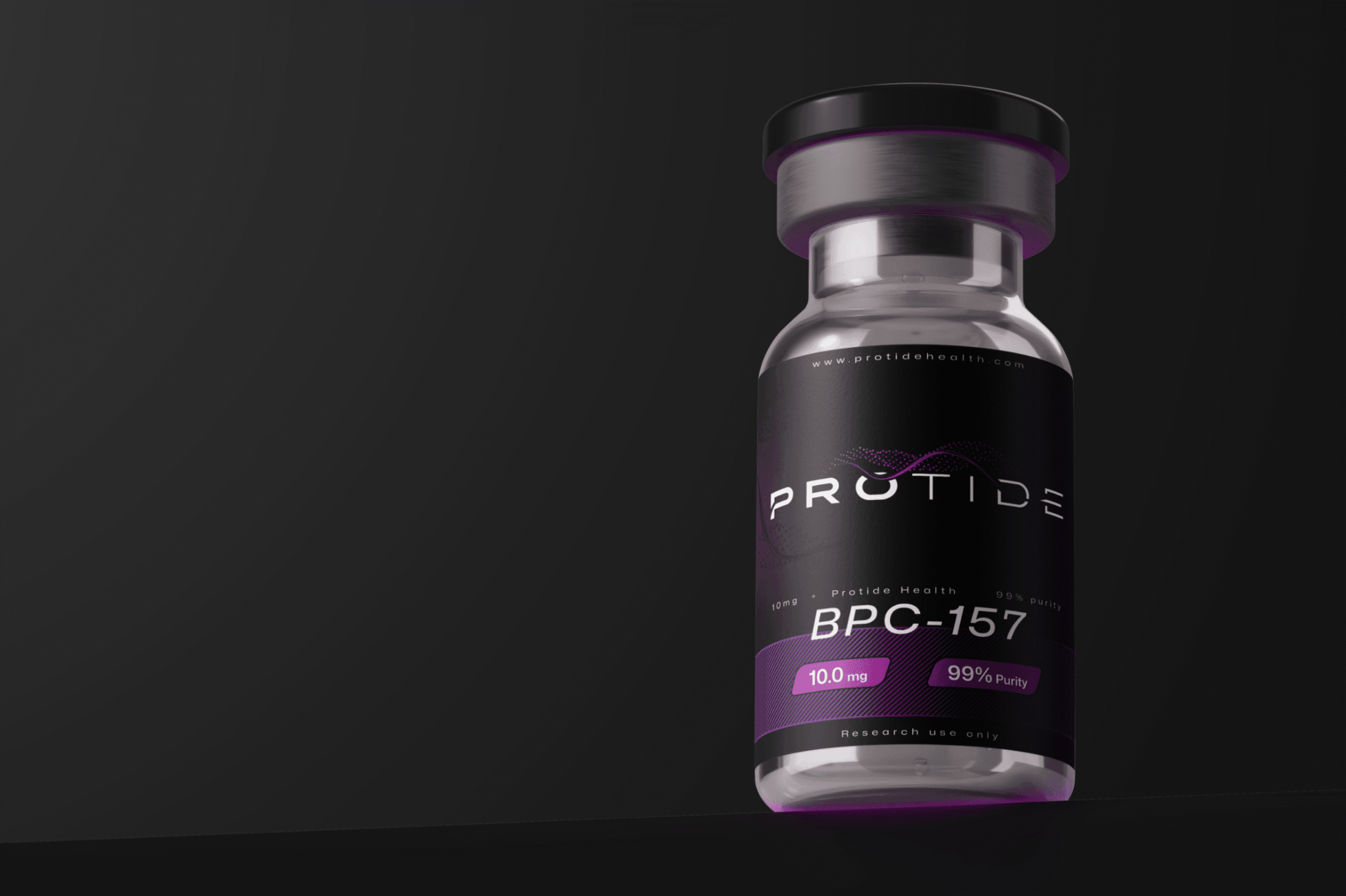
BPC-157 (Preclinical Evidence Base)
Preclinical literature reviews document musculoskeletal soft-tissue models where BPC-157 is studied for repair-related signaling and tissue organization (Springer Link). Cell and tissue studies examine tendon fibroblast behaviors including migration and survival under stress conditions (Europe PMC). Human clinical evidence remains limited compared to the preclinical research foundation (Springer Link).
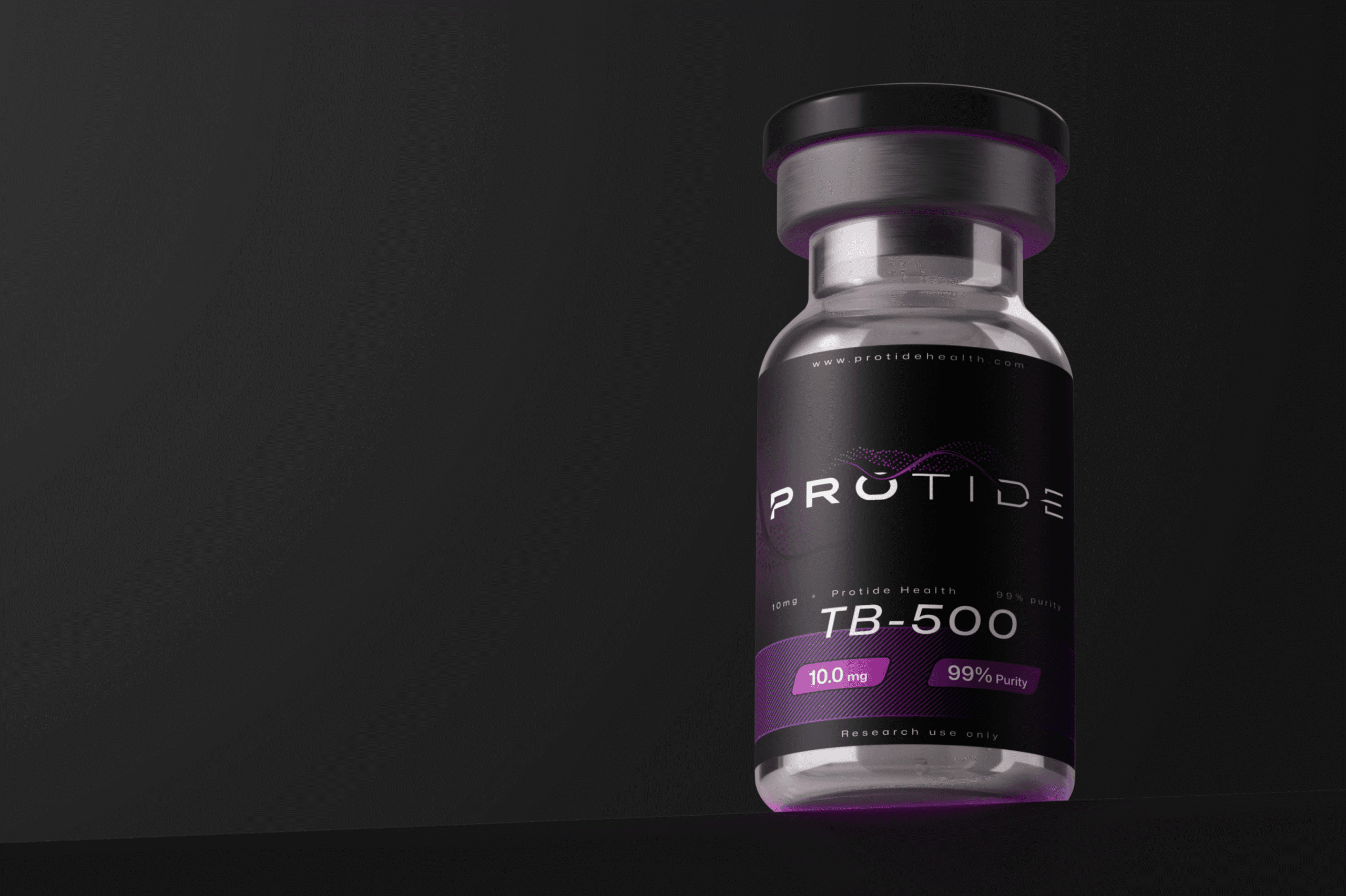
TB-500 / Thymosin Beta-4 Fragment (Preclinical Evidence Base)
Thymosin beta-4 demonstrates strong associations with cell migration and actin-related behaviors relevant to wound repair models (Frontiers). Classic preclinical wound models show thymosin beta-4 influences healing-related endpoints, including re-epithelialization and angiogenesis markers (JID Online). Direct human evidence for injury recovery outcomes remains limited relative to preclinical research (Frontiers).
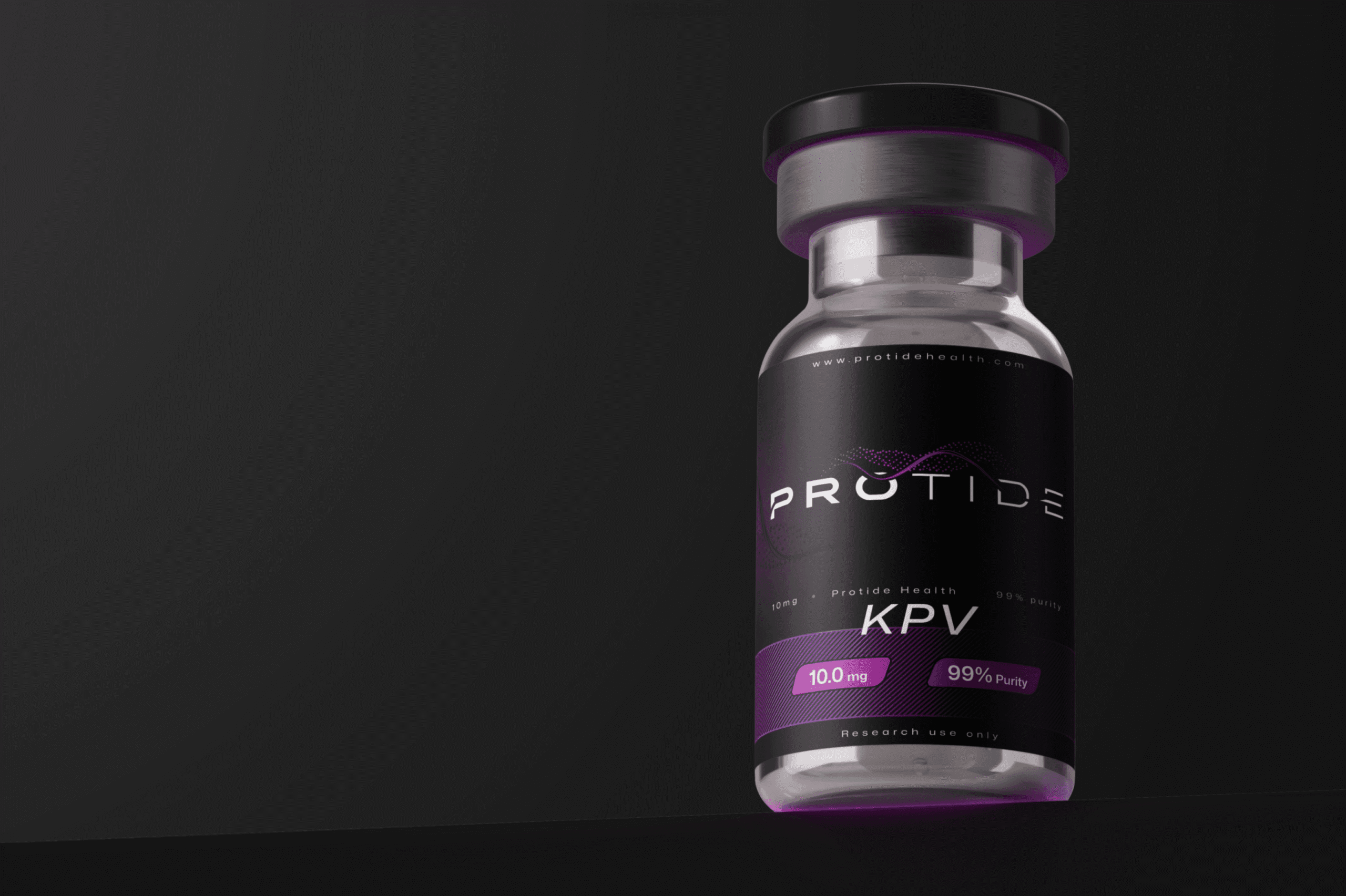
KPV (Inflammatory Signaling Research)
KPV is a tripeptide derived from alpha-MSH that is studied for inflammatory pathway modulation in cell and animal models (ScienceDirect). Multiple research threads link alpha-MSH-related peptides to NF-κB signaling suppression in inflammatory contexts (ScienceDirect).
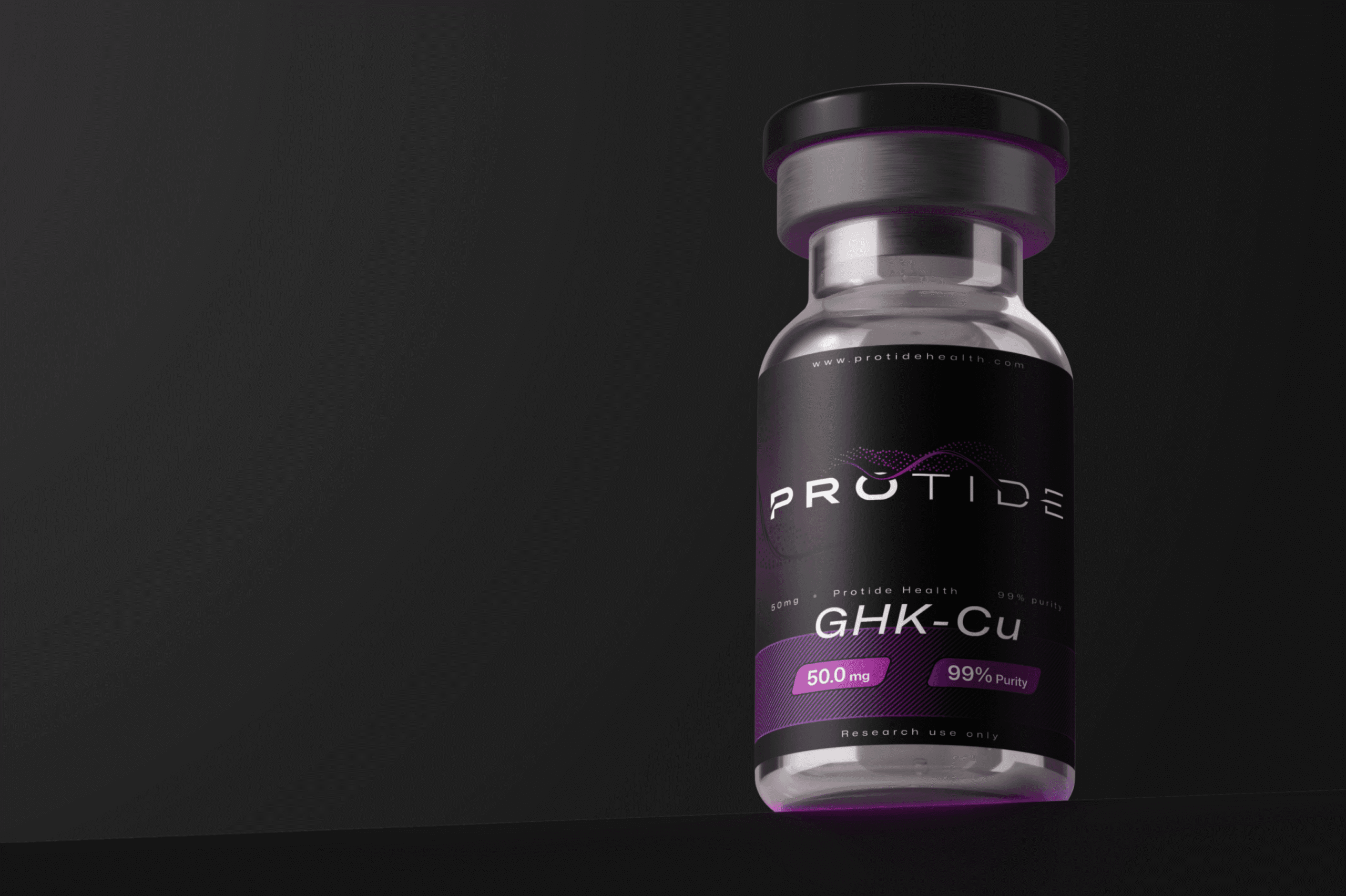
GHK-Cu (Connective Tissue & Collagen Signaling Research)
Foundational research demonstrates GHK-Cu can stimulate collagen synthesis in fibroblast cultures at low concentrations, supporting its role in extracellular matrix studies (ScienceDirect). Literature reviews summarize broader regenerative and signaling actions of copper peptides, including GHK-Cu, in tissue research models (MDPI).
To browse by research application, visit our Tissue Regeneration Research category or explore all compounds in the Protide Health Shop.
Research Peptide Selection by Experimental Goal
Use this guide to match your laboratory objectives with appropriate compound selections.
Tendon Tissue Models (Load-Bearing Connective Tissue Research)
For tendon repair pathway studies, establish a single-compound baseline before adding experimental complexity.
Recommended compounds:
Ligament Repair Research (Stability & Remodeling Signaling)
Ligament studies often examine connective tissue repair and migration signaling pathways.
Recommended compounds:
Joint-Adjacent Soft Tissue Research (Repair Environment Studies)
For studies measuring both structural markers and inflammatory signaling, multi-component blends may streamline experimental design.
Recommended compounds:
Inflammatory Pathway Research (Tendonitis-Related Signaling Models)
Studies focused on inflammatory cascade markers benefit from peptides investigated for pathway modulation.
Recommended compounds:
Extracellular Matrix Research (Collagen & ECM Signaling)
When experimental endpoints involve collagen markers, fibroblast behavior, and extracellular matrix proteins, GHK-Cu is frequently selected.
Recommended compounds:
Compare options in our Tissue Regeneration Research category alongside our best-selling research peptides.
BPC-157 vs TB-500: Research Applications & Blend Rationale
Comparisons between BPC-157 and TB-500 typically center on research focus: connective tissue repair signaling versus cell-migration and actin-related mechanisms. Research blends can simplify experimental designs when studies measure multiple distinct endpoints.
Research Application Distinctions
BPC-157 appears frequently in preclinical musculoskeletal soft tissue contexts, particularly in tendon and ligament-focused literature reviews (Springer Link). Thymosin beta-4 (the parent peptide of TB-500 fragments) demonstrates strong associations with cell migration and actin dynamics in wound-repair research (Frontiers). Neither compound has robust human clinical evidence for injury recovery compared to established therapeutic standards; selection criteria should prioritize research objectives and analytical quality (Springer Link).
When Research Blends Are Advantageous
Blends can streamline laboratory workflows when studies test combined pathways within the same experimental protocol. For research designs comparing multiple endpoints (repair markers + inflammatory signaling + connective tissue markers), blends reduce sourcing complexity while maintaining analytical rigor.
Recommended blend formulations:
Laboratory Handling: Reconstitution & Concentration Planning
No universally standardized protocols exist for injury recovery peptide research in humans because the strongest evidence base derives from non-human models. In research contexts, concentrations are typically reported for cell culture studies (nanomolar to micromolar ranges) or weight-based exposures for animal models (microgram/kg to milligram/kg ranges), with substantial variation based on experimental model and measured endpoints.
Research Protocol Considerations
In vitro studies commonly employ nanomolar to micromolar concentrations depending on peptide characteristics and cell type (ScienceDirect). Animal studies frequently report weight-based exposures, but protocols vary significantly by injury model, treatment timing, and endpoint measurements (Europe PMC). Best practice involves consulting original methodology sections for your specific experimental model and matching measurement endpoints to published protocols (Springer Link).
Use the Protide Health peptide reconstitution calculator to plan laboratory reconstitution and unit conversions for documentation purposes. For detailed handling protocols, review our step-by-step peptide reconstitution guide.
Research-Grade Quality Standards & Sourcing Criteria
For research applications, selecting the highest-quality peptides involves evaluating supplier transparency, analytical testing standards, and documentation practices. Poor labeling and inadequate documentation can compromise experimental validity.
Protide Health’s research peptides are manufactured in ISO 9001:2015 certified, GMP-compliant facilities in the USA, with emphasis on clear product labeling and batch-specific documentation (Protide Health).
Research Supplier Evaluation Checklist
- Third-party analytical testing with batch-specific documentation (request Certificate of Analysis before scaling studies)
- Clearly labeled vials with consistent nomenclature and accurate mass quantities
- USA-based supplier operating under recognized quality standards
- Transparent shipping practices without unrealistic guarantees
For assistance selecting compounds aligned with your research objectives, contact our peptide research support team.
Getting Started: Research Planning Steps
Begin with fundamental concepts, establish clear experimental goals, then select compounds matching your measurable endpoints.
Research Planning Checklist
- Explore our peptide research guides to define specific goals (tendon models, ligament repair, joint tissue, inflammatory pathways)
- Browse the Tissue Regeneration Research category to compare compound options
- Review all available compounds in the Protide Health research peptide shop and cross-reference with our best-selling research peptides
- Bookmark our peptide reconstitution guide for consistent laboratory handling procedures
Frequently Asked Questions
What peptide is most studied for tendon repair models?
Researchers frequently begin with single-compound investigations using BPC-157 10mg due to its presence in tendon and ligament-focused preclinical literature. For studies measuring multiple endpoints, BPC-157/TB-500 Blend can simplify sourcing.
Which peptides are investigated in ligament repair research?
Ligament repair studies commonly employ BPC-157 alone or in combination with TB-500. For broader experimental coverage, Klow Blend incorporates inflammatory signaling and connective tissue pathways in a single formulation.
BPC-157 vs TB-500: What are the research distinctions?
These peptides are investigated for different mechanisms. BPC-157 research frequently focuses on connective tissue repair models, while TB-500 (thymosin beta-4 fragment) research emphasizes cell migration and actin-related behaviors. For studies requiring both pathways, consider the BPC-157/TB-500 Blend.
What peptides are used in joint tissue research?
Joint tissue research typically investigates peptides that influence repair environments surrounding joint-adjacent soft tissues and inflammatory signaling pathways. Researchers often select blends like Glow 50/10/10mg or Klow Blend to measure multiple endpoints.
What is KPV’s role in inflammatory pathway research?
KPV is primarily investigated for inflammatory signaling modulation rather than direct structural tissue repair. Researchers incorporate KPV 10mg when experimental models focus on inflammatory pathway markers and signaling regulation.
Where can I purchase analytical-grade research peptides in the USA?
Prioritize suppliers offering third-party analytical testing, clear product labeling, and transparent quality documentation. You can purchase USA-based research peptides from the Protide Health Shop and filter by research application in the Tissue Regeneration Research category.
Are multi-component peptide blends effective for tissue repair research?
Blends can be advantageous when experimental designs measure multiple distinct endpoints and simplified sourcing is desirable. Select blend formulations that align with your planned analytical measurements rather than ingredient count alone.
Disclaimer: All products sold by Protide Health are intended for laboratory research purposes only. These materials are not for human consumption, medical use, diagnostic purposes, or veterinary applications. This article provides educational information only and does not constitute medical advice. Researchers should consult appropriate institutional review and safety protocols before beginning any experimental work.
References
- Gastric pentadecapeptide BPC 157 and its role in accelerating musculoskeletal soft tissue healing (Cell and Tissue Research, 2019)
- The promoting effect of pentadecapeptide BPC 157 on tendon healing (Europe PMC)
- Stable Gastric Pentadecapeptide BPC 157 as Therapy After Muscle-to-Bone Detachment (Pharmaceutics, 2025)
- Regeneration or Risk? A Narrative Review of BPC-157 (Sports Medicine, 2025)
- Progress on the Function and Application of Thymosin β4 (Frontiers in Endocrinology, 2021)
- Thymosin β4 accelerates wound healing (Journal of Investigative Dermatology, 1998)
- PepT1-mediated tripeptide KPV uptake reduces intestinal inflammation (Gastroenterology, 2008)
- α-MSH related peptides as anti-inflammatory agents (ScienceDirect, 2008)
- Dissection of anti-inflammatory effect of KPV (ASPET Journals)
- Stimulation of collagen synthesis in fibroblast cultures by GHK-Cu (FEBS Letters, 1988)
- Skin regenerative actions of copper peptides (MDPI Cosmetics, 2018)