
Klow Peptide: Beginner Guide to the Klow Blend
Research‑Use‑Only Notice: All content on this website and all product information are for educational and informational purposes only. All products referenced are for laboratory research, analytical, and in‑vitro or preclinical in‑vivo use only. They are not medicines or drugs, have not been evaluated or approved by the FDA, and are not intended to diagnose, treat, cure, or prevent any disease. Any bodily introduction into humans or animals is strictly prohibited.
Curious about the Klow peptide blend and why it is used in tissue and inflammation‑focused research models? You’re in the right place. Below, this guide explains what the Klow blend is, which peptides it contains, how each component works in plain language, and how to think about experimental design in in‑vitro and animal studies.
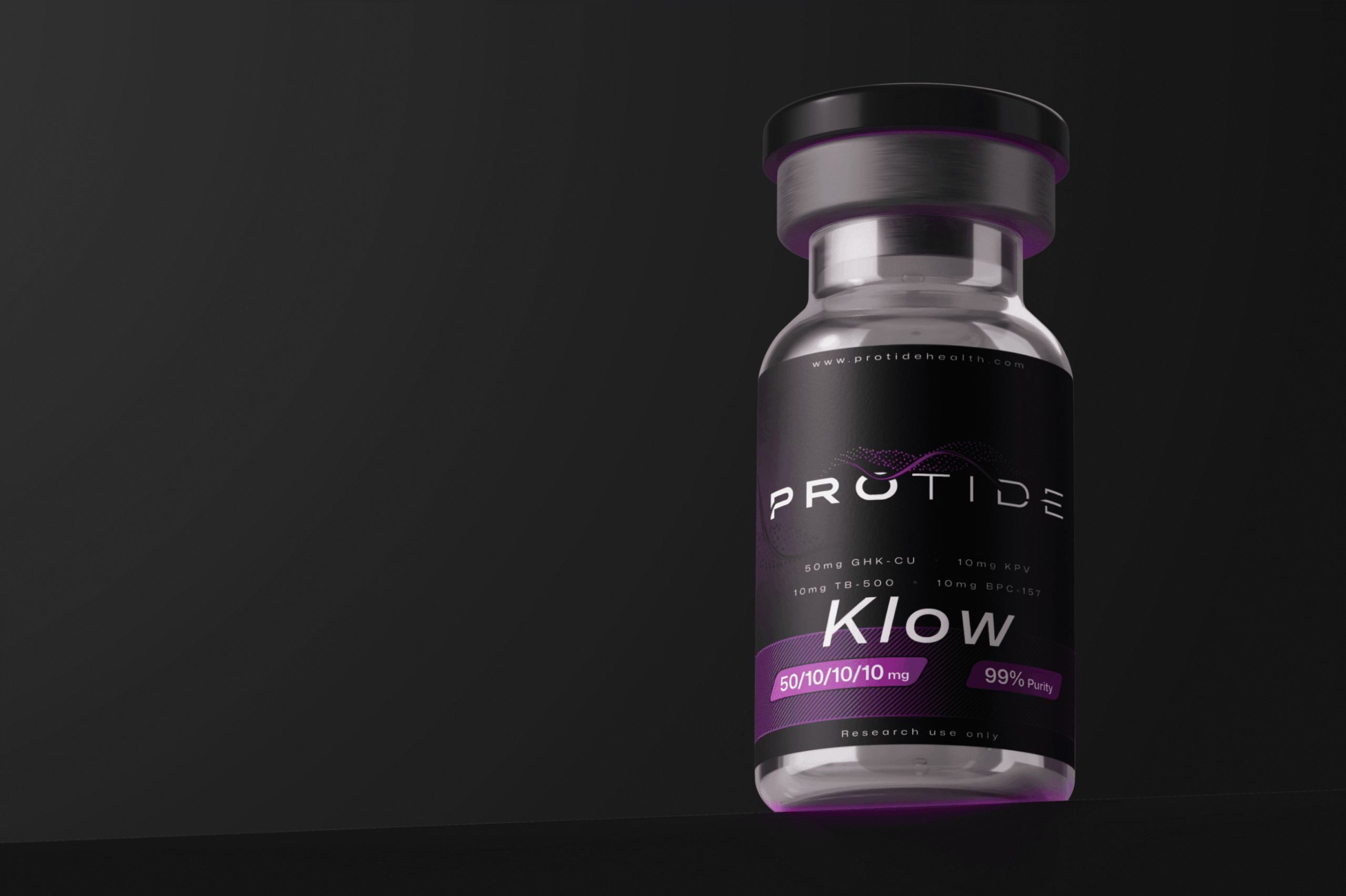
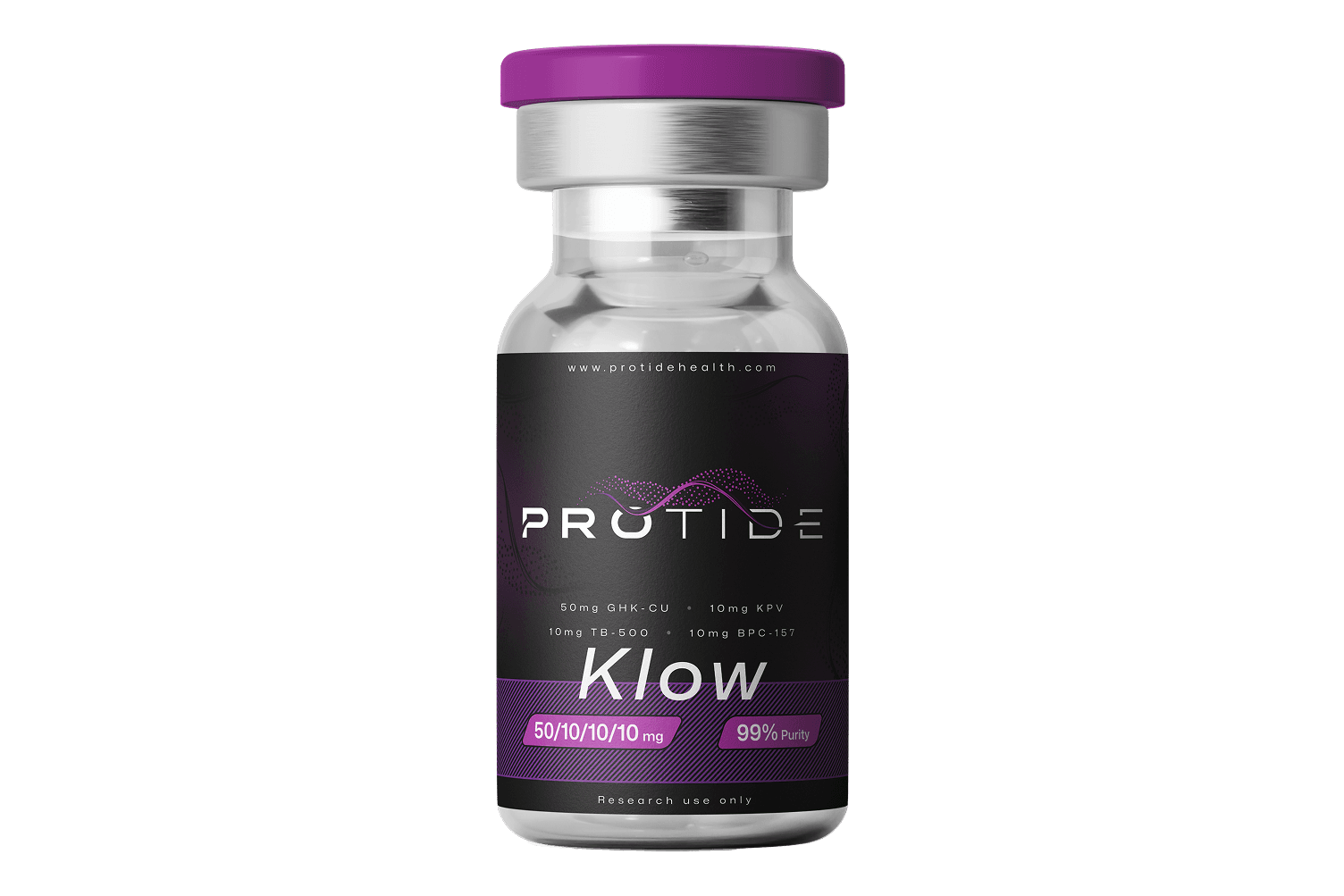
Summary: The Klow blend combines GHK‑Cu 50 mg, KPV 10 mg, BPC‑157 10 mg, and TB‑500 10 mg in one vial for research use only, designed to study complementary pathways in repair, angiogenesis, cell migration, and inflammation control in controlled laboratory models.
What is the Klow peptide?
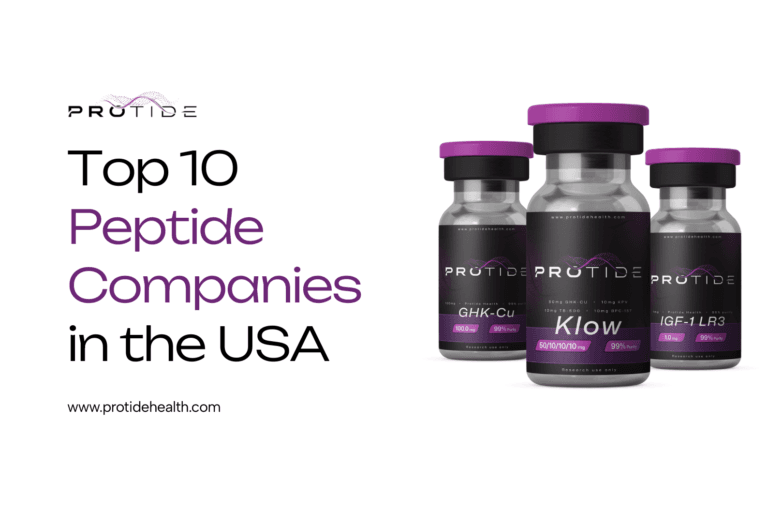
The Klow peptide is a four-peptide research blend. It includes:
This format lets labs explore potential synergy across wound‑repair, inflammatory‑signaling, and cellular‑remodeling pathways in controlled models. See the product page for specifications: Klow Blend: 50mg/10/10/10 (GHK-Cu, KPV, BPC-157, TB-500).
Key takeaways
- Built for bench research, not for human or veterinary use.
- Each peptide is studied at a different point in the repair cascade (ECM cues, inflammatory signaling, angiogenesis, and cell migration).
- The blend supports hypothesis testing on combined pathways such as angiogenesis, cell migration, and inflammation control in in‑vitro and animal models.
How Klow Peptide works (simple science)
- GHK-Cu: A natural copper-binding tripeptide studied for ECM remodeling pathways in skin and wound models. It is linked with collagen and decorin regulation and broad gene-expression shifts tied to repair. Laboratory studies investigate effects on fibroblast cultures and extracellular matrix synthesis pathways. (Wiley Online Library)
- KPV: A tripeptide fragment of α-MSH that can be transported by PepT1 and has been shown in mouse colitis models to downshift NF-κB/MAPK signaling and related cytokines. Studies examine inflammatory pathway modulation in intestinal models. (Europe PMC)
- BPC-157: A gastric-derived pentadecapeptide explored for angiogenesis pathways, endothelial migration, and ERK/Akt-eNOS pathway engagement in vitro and in rodent wound models. Research examines VEGFR2 activation and nitric oxide signaling in preclinical systems. (SpringerLink)
- TB-500 (Thymosin β4): An actin-binding peptide studied for cell migration and angiogenesis mechanisms, with historical reviews connecting it to dermal and corneal wound models. Studies investigate actin polymerization and VEGF upregulation in fibroblast migration assays. (Cell)
Together, the Klow blend enables study of complementary mechanisms: copper-dependent ECM cues (GHK-Cu), inflammatory pathway modulation (KPV), pro-angiogenic signaling (BPC-157), and actin-driven cell movement (TB-500). This is a research hypothesis, not a clinical claim. (Wiley Online Library)
Potential research findings and applications for Klow Peptide
Animal/in vitro focus
- GHK-Cu studies investigate collagen synthesis pathways, measuring increased collagen production by 50–70% in fibroblast cultures and examining gene-expression effects on decorin and glycosaminoglycan markers. Rodent wound models measure closure rates and ECM deposition metrics. (Wiley Online Library)
- KPV reduced inflammatory readouts and barrier disruption in colitis mouse models through PepT1-mediated uptake. Assays measure NF-κB pathway shifts and cytokine panels in intestinal barrier studies. (Europe PMC)
- BPC-157 literature describes angiogenesis pathway investigations and soft-tissue repair mechanisms in cell and rodent models. Studies measure VEGFR2/Akt-eNOS signaling markers, endothelial migration rates, and vascular tube formation in laboratory assays. (SpringerLink)
- TB-500 research examines actin-mediated cell migration metrics, angiogenesis markers, and wound closure rates in preclinical dermal and corneal repair contexts. Migration assays measure fibroblast motility and VEGF expression changes. (Cell)
Human evidence
- For Thymosin β4, limited human/clinical work exists, such as ophthalmic studies and trials in corneal wound settings. These are condition-specific and not generalizable. Human evidence for GHK-Cu, KPV, and BPC-157 remains limited and confined to preliminary or topical application contexts (ClinicalTrials).
Important: Evidence varies by peptide and model, and findings do not equal clinical outcomes. The Klow blend is for laboratory research only.
For researchers planning related experiments, Protide Health maintains a research peptides catalog with clearly labeled, research‑use‑only compounds.
Klow peptide blend experiments
This section is educational for model planning only and is not dosing or treatment guidance.
Labs often design pilot exposure ranges based on published in‑vitro concentrations or animal‑model literature, then validate locally under approved protocols. Plan experimental inputs to standardize dilutions, aliquots, and per‑assay quantities for research solutions only.
Consider time‑course sampling for early versus late repair signals, and compare single‑agent versus combination arms to characterize potential interactions in your model.
Tip: Predefine endpoints such as scratch‑wound closure metrics, transwell migration, TEER/barrier integrity, cytokine panels, and matrix‑protein assays to align with each peptide’s hypothesized mechanism.
Safety, quality, and sourcing
- Use clearly labeled, third-party-tested research compounds.
- Store lyophilized material in dry, cold, dark conditions per lab SOPs; reconstitute with suitable sterile solvents/buffers for your assay type.
- For researchers, our beginner peptide guides explain basics like handling, labeling, and documentation.
Browse our catalog to shop research peptides with transparent specs and testing.
How to get started with Klow Peptide
- Define your research question. Example: Does the Klow blend produce different scratch‑wound closure metrics compared with single‑agent arms in a given model?
- Choose models and readouts that match mechanisms.
- Plan controls: vehicle, each single peptide, and the Klow blend.
- Use a peptide reconstitution tool to map dilutions and aliquots.
- Document storage, handling, and blinding/randomization steps in your SOP.
Klow peptide blend ingredients table
| Component | Mechanism focus (models) | Research focus | Notes |
|---|---|---|---|
| GHK-Cu | ECM remodeling; collagen/decorin‑related signaling | Dermal models; gene‑expression shifts in fibroblast cultures | Copper‑binding tripeptide studied for collagen synthesis pathways and ECM markers in preclinical wound models . |
| KPV | NF-κB/MAPK downshift; PepT1 transport | Intestinal inflammation; barrier integrity | α‑MSH–derived tripeptide evaluated in colitis models for inflammatory signaling effects . |
| BPC-157 | Angiogenesis; endothelial migration; ERK/Akt‑eNOS | Rodent soft‑tissue, GI pathway models | Preclinical literature examines vascular signaling pathways and endothelial migration markers . |
| TB-500 | Actin dynamics; cell migration; angiogenesis | Dermal and corneal repair contexts | Longstanding preclinical literature on actin-binding mechanisms and migration assays . |
Klow Peptide FAQs
What is the Klow peptide?
It is a four-peptide research blend combining GHK-Cu 50 mg, KPV 10 mg, BPC-157 10 mg, and TB-500 10 mg to let labs test complementary repair and inflammation pathways. See the Klow Blend product page for details.
What is Klow stack peptide good for?
In laboratory settings, the Klow blend is used to study multiple parts of the repair cascade at once, including ECM‑related cues (GHK‑Cu), inflammatory signaling (KPV), angiogenic pathways (BPC‑157), and cell‑migration processes (TB‑500) in in‑vitro and animal models.
What are the Klow peptide blend ingredients?
GHK-Cu, KPV, BPC-157, TB-500 at the listed amounts per vial. See the Klow blend page for specs and third-party testing details.
Is there a Klow peptide protocol?
There is no standardized Klow “protocol” provided here. In research contexts, investigators typically define model‑specific controls, endpoints (for example, migration, TEER, cytokines, ECM proteins), and time points, and may compare single‑agent arms to the blend while using the peptide dosage calculator strictly for laboratory‑math (concentration and dilution) support.
Can I buy the Klow blend in the US for research?
Yes. You can browse research peptides on Protide Health.
How is KPV different from α-MSH?
KPV is a minimal tripeptide from the C-terminus of α-MSH. It retains anti-inflammatory activity without α-MSH’s pigment effects. In mouse colitis models, KPV’s uptake occurs via PepT1. (Europe PMC)
What is the evidence level for BPC-157 and TB-500?
These two peptides are included in the Klow blend and are discussed in narrative reviews for their roles in angiogenesis, cell migration, and soft‑tissue repair pathways in preclinical models, while human data are limited and context‑specific (for example, ophthalmic studies with thymosin β4).
What’s in Klow Blend?
Klow Blend is a four‑peptide research formulation that combines GHK‑Cu, KPV, BPC‑157, and TB‑500 in defined amounts per vial for laboratory use.
GHK‑Cu: A copper‑binding tripeptide investigated for effects on collagen, decorin, and extracellular‑matrix remodeling pathways in dermal wound models.
KPV: A minimal α‑MSH–derived tripeptide studied for anti‑inflammatory signaling and barrier‑integrity endpoints, including PepT1‑mediated uptake in intestinal models.
BPC‑157: A gastric‑derived pentadecapeptide examined in rodent and cell models for angiogenesis pathway markers, endothelial migration assays, and soft‑tissue repair mechanisms.
TB‑500 (thymosin β4 fragment): An actin‑binding sequence with a preclinical literature base in actin polymerization, cell migration metrics, and angiogenesis markers in dermal and corneal repair models.
What’s the difference between Klow and Glow peptides?
The main formulation difference is that Klow contains four peptides, while Glow contains three.
Klow Blend: GHK-Cu, KPV, BPC-157, TB-500
Glow Blend: GHK-Cu, BPC-157, TB-500
In research contexts, Klow introduces an additional KPV component that is often studied in inflammation and barrier‑integrity models, whereas Glow is more commonly associated with skin and soft‑tissue repair pathways in preclinical systems. Learn more about the Glow peptide blend here.
What is the use of Klow?
Klow is supplied for laboratory research use only, not for human or veterinary use. In experimental settings, it allows investigators to examine multiple processes in parallel—such as extracellular‑matrix remodeling, inflammatory signaling, angiogenesis, and cell migration—by combining GHK‑Cu, KPV, BPC‑157, and TB‑500 in a single research blend.
Disclaimer
Disclaimer: Products sold by Protide Health are for laboratory research purposes only and are not intended for human consumption, medical use, or veterinary use.
References
- Pickart L, Margolina A. GHK Peptide as a Natural Modulator of Multiple Cellular Pathways in Skin Regeneration. BioMed Research International, 2015. (Wiley Online Library)
- Dalmasso G, et al. PepT1-Mediated Tripeptide KPV Uptake Reduces Intestinal Inflammation. Gastroenterology, 2008. Open access via Europe PMC. (Europe PMC)
- Current Reviews in Musculoskeletal Medicine. Regeneration or Risk? A Narrative Review of BPC-157 for Musculoskeletal Healing, 2025. (SpringerLink)
- Trends in Molecular Medicine. Thymosin β4: actin-sequestering protein moonlights to repair injured tissues, 2005. (Cell)
- American Journal of Physiology. Role of PepT1; KPV noted as anti-inflammatory α-MSH fragment, 2011. (Physiology Journals)
- J Mol Med. BPC-157 associated with VEGFR2 activation and angiogenic signals, 2017. (SpringerLink)
- IJMS / Cosmetics reviews profiling GHK-Cu and oxidative-stress genes, 2014–2018. (SpringerLink)
- ClinicalTrials.gov. Thymosin β4 for corneal wound healing (Phase 2 study record), 2007–2009. (ClinicalTrials)