

BPC-157
Price range: $60.00 through $220.00
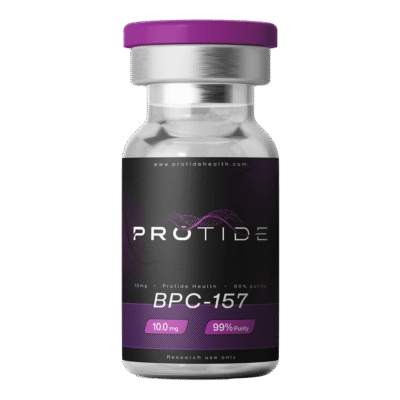
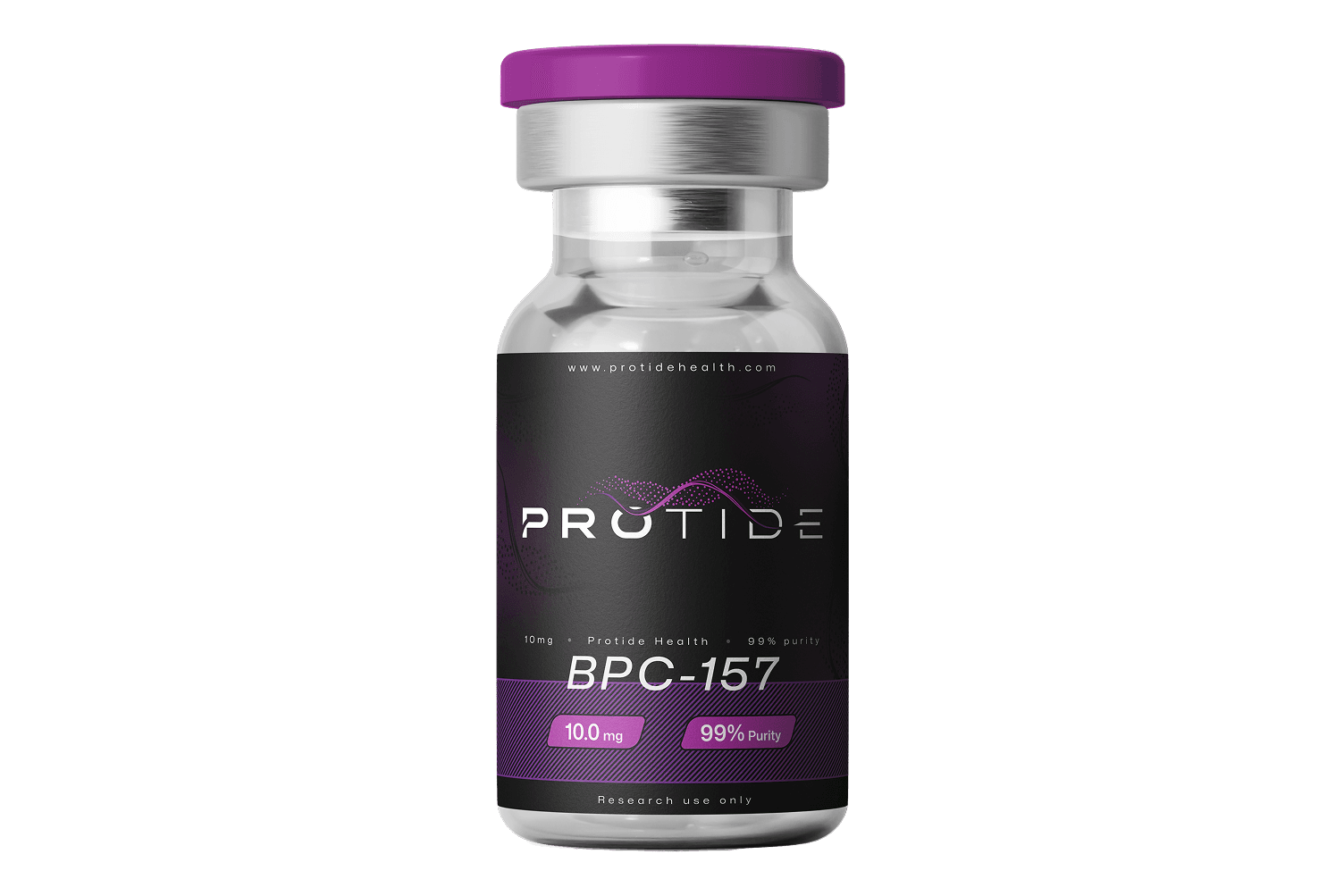
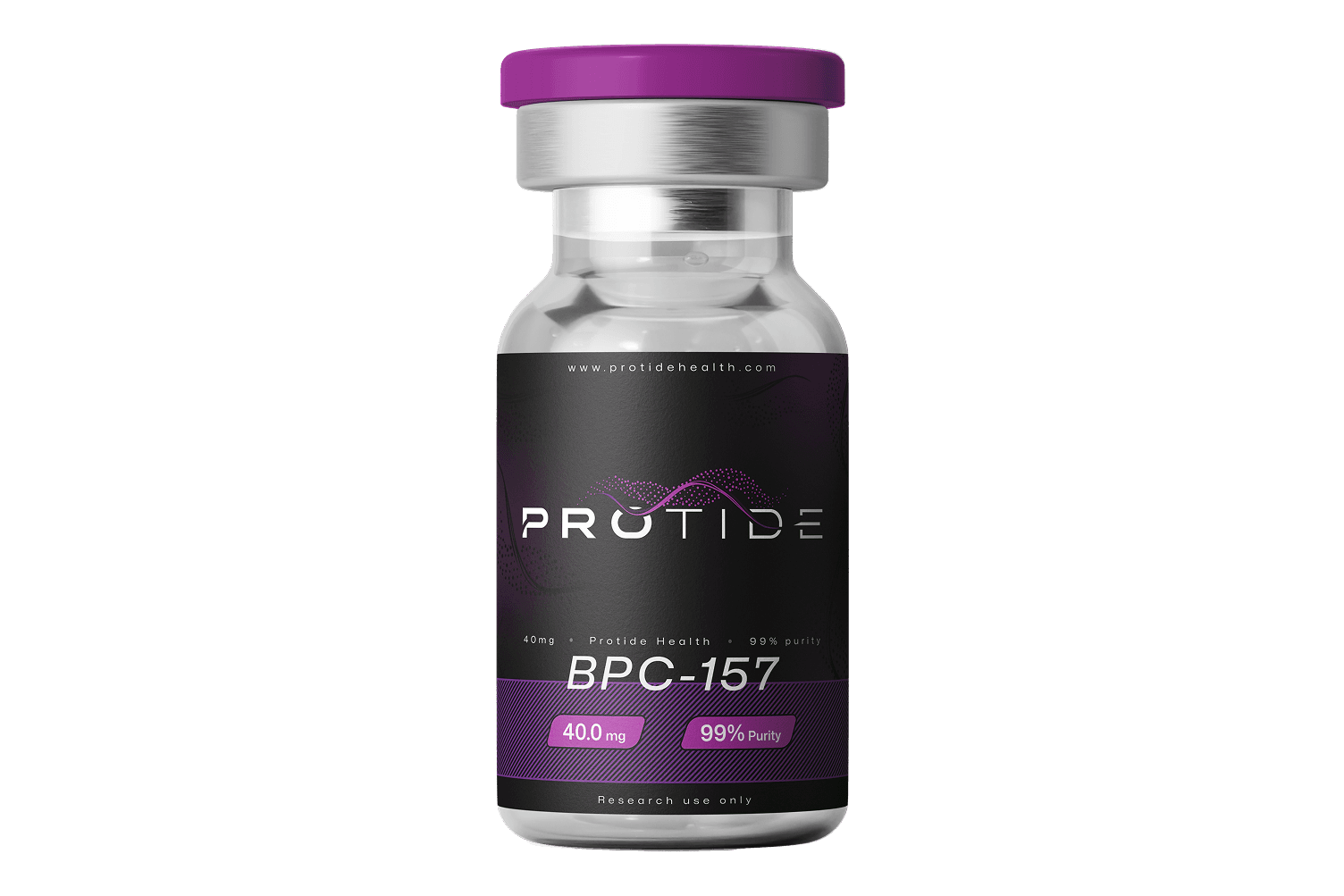
BPC-157 peptide studied in preclinical tissue integrity and vascular signaling models. Available in 10mg and 40mg lyophilized vials. Third-party tested, 99% purity. For research use only.
Free shipping on orders over $149!
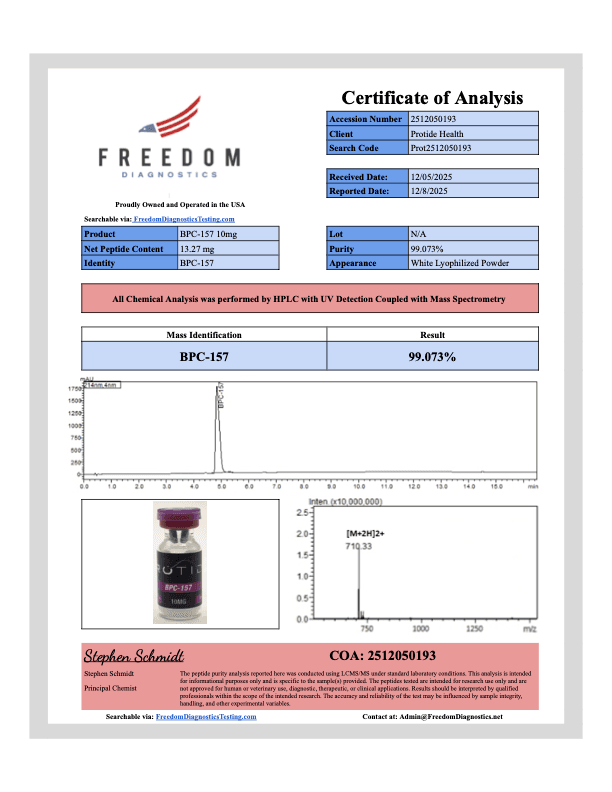
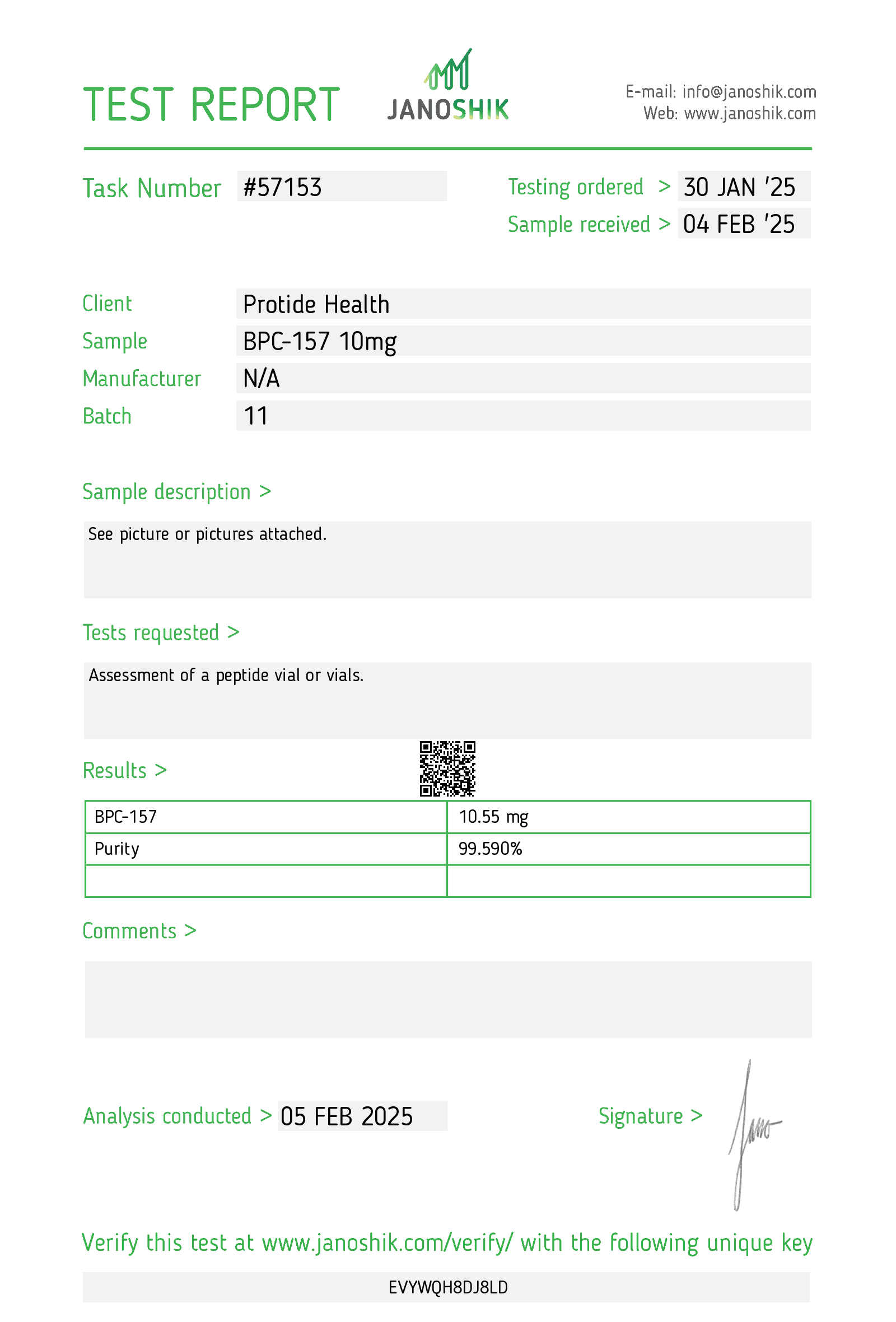
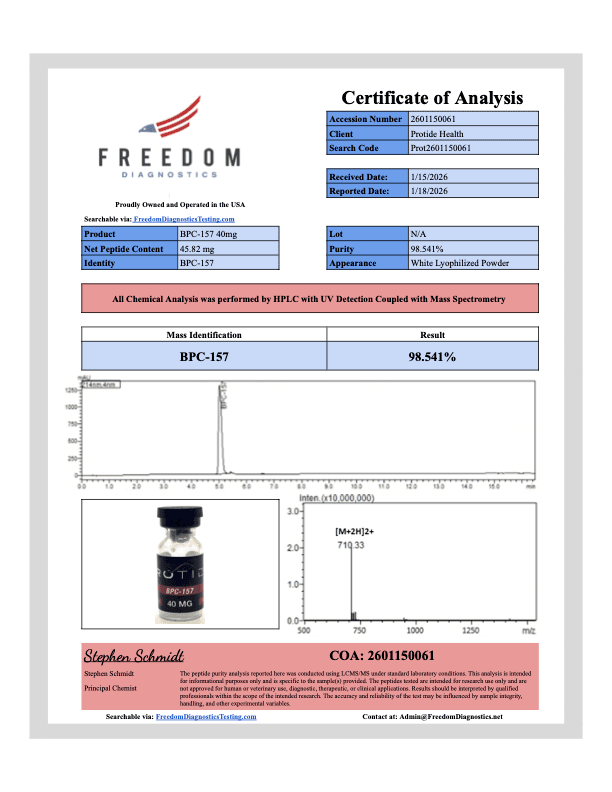
- 99% Purity (HPLC-MS Verified)
- Independent Third-Party Tested
- USA GMP Manufactured
- Complimentary BAC Water
- Ships in 24 Hours (USA)
Disclaimer: This product is intended solely for laboratory research purposes. It is not for human consumption, medical use, veterinary use, or household application. All product information on this website is provided for educational purposes only. Researchers must handle this product with appropriate safety protocols and comply with all applicable regulations. Please review our Terms & Conditions before purchasing.
BPC-157 Peptide
BPC-157 peptide is a research compound studied in early-stage models focused on tissue integrity and recovery signaling. This product is available in 10mg and 40mg vials intended for controlled laboratory work and preclinical study design.
Labs select between 10mg and 40mg formats based on experimental scale, aliquoting needs, and batch requirements. The 40mg vial provides higher content for batching and repeatable experiments, while the 10mg format suits smaller-scale or pilot studies.
Peptide type: single peptide studied in preclinical repair and recovery models
Vial content: 10mg or 40mg (lyophilized powder in 3ml vial)
Primary research focus: tissue integrity and recovery signaling models; vascular (blood vessel) support pathways in lab settings
BPC-157 Peptide Overview & Key Properties
BPC-157 is a synthetic version of a short peptide sequence originally described from gastric (stomach) tissue research. In plain terms, it’s “naturally inspired,” but manufactured for consistent lab handling.
In published preclinical work, BPC-157 is often discussed as a “stable gastric pentadecapeptide,” meaning a 15-amino-acid peptide studied for how it may influence repair signaling, blood vessel responses, and protective cellular pathways in models (PubMed). Reviews summarize its broad research footprint across different tissues and systems, with an emphasis on preclinical evidence rather than approved medical use.
Like most research peptides, it is supplied as a lyophilized (freeze-dried) powder and stored cold, dry, and protected from light according to lab SOPs.
Peptide class or family: short “pentadecapeptide” (15 amino acids) explored in cytoprotection and repair signaling research (PubMed)
Vial content and typical lab handling: lyophilized powder used for reconstitution and measured aliquots in controlled settings
Suggested storage concept in lab settings: keep cool, dry, and away from light; minimize freeze-thaw cycles per SOP
Common research models: cell studies, animal models, and ex vivo tissue work focused on repair signaling and vascular responses (PubMed)
BPC-157 Mechanism of Action
In simple terms, BPC-157 is studied for how it may “nudge” repair-related signaling so tissues can organize a more coordinated response after stress or injury in preclinical models. Researchers often group its proposed activity into a few connected ideas: blood vessel signaling, nitric oxide pathways, and cell survival during stress.
One well-cited line of research suggests BPC-157 may influence angiogenesis (new blood vessel growth) signals through pathways connected to VEGFR2 and eNOS (proteins involved in blood vessel function), which may affect how tissues restore blood flow in animal and cell-based assays (PubMed). Separate mechanistic work also reports nitric oxide-linked effects on vascular tone in isolated tissue experiments, meaning it may change how vessels tighten or relax in controlled lab conditions (PMC).
BPC-157 Peptide Research
BPC-157 and Blood Vessel Signaling Models
Multiple studies and reviews discuss BPC-157 in vascular research themes, including models where blood flow is disrupted and then monitored during recovery. In these designs, researchers track markers of vessel function and structure over time, looking for differences between control and treated groups.
For example, preclinical findings have connected BPC-157 with angiogenesis signaling pathways (like VEGFR2-Akt-eNOS) in lab assays and animal models used to study blood flow recovery (PubMed). Reviews also summarize broader vascular observations across different injury and stress models, but these are not the same as approved human outcomes (PubMed).
BPC-157 and Tendon and Soft-Tissue Research
BPC-157 appears frequently in tendon and soft-tissue research discussions, including cell-based work and animal models that evaluate tissue structure, cellular outgrowth, and recovery markers. In these studies, researchers may look at collagen organization, cell behavior, and histology (microscope-based tissue structure scoring).
Cell and tissue studies have reported changes in tendon-related cellular behavior and stress resilience in controlled conditions (PubMed). Earlier animal work also explored tendon healing models and reported differences in repair characteristics versus controls, which remain preclinical observations rather than clinical proof (PubMed).
BPC-157 and Wound Healing Pathways in Preclinical Models
Researchers have also reviewed BPC-157 across wound and tissue repair themes, focusing on how tissues stabilize after damage and how vascular signals, clot-related steps, and tissue remodeling markers change over time. These studies typically use animal and laboratory models designed to measure healing processes under controlled conditions.
A dedicated review summarizes wound healing observations and related hemostasis (clotting) context in preclinical settings, emphasizing mechanisms and model outcomes rather than approved therapeutic use (PubMed). Additional reviews discuss angiogenic growth factor relationships and repair signaling across multiple tissue types in non-human models (PubMed).
BPC-157 Peptide Reconstitution Concepts for Lab Research
This section is educational, not prescriptive. In research settings, reconstitution is approached by selecting an appropriate volume of sterile solvent to achieve a desired concentration for the experimental model (cell, tissue, or animal). Researchers often prepare stock solutions and aliquots to minimize freeze-thaw cycles, while keeping experimental variables as stable as possible.
Focus: standardizing concentration and volume so experiments are reproducible and aliquots are consistent
Study design: using controlled reconstitution protocols to prepare measured doses at planned time points
Use the peptide reconstitution tool to plan vial reconstitution and aliquots
BPC-157 Peptide Specifications Table
| Parameter | Details |
|---|---|
| Peptide name | BPC-157 peptide |
| Vial strength | 10mg or 40mg (lyophilized powder in 3ml vial) |
| Peptide type | Single peptide |
| Typical use case | Preclinical tissue integrity and vascular signaling research models |
| Storage guidance | Cool, dry, dark; follow lab SOPs |
| Intended use | Laboratory research only, not for human use |
BPC-157 Peptide FAQs
What is BPC-157 peptide used for in research?
BPC-157 is studied in preclinical settings that look at tissue integrity, recovery signaling, and vascular (blood vessel) response pathways. Many published findings come from cell studies and animal models. These results do not mean the compound is approved or proven for human use.
How is BPC-157 peptide typically stored in a lab?
BPC-157 is commonly supplied as a lyophilized (freeze-dried) powder. Labs typically store peptides cool, dry, and protected from light to reduce degradation, following internal SOPs. Handling details can vary by facility and study design.
What does “lyophilized powder” mean?
Lyophilized means the peptide was freeze-dried to remove water. This helps with stability during storage and shipping in lab supply chains. Researchers reconstitute it for experiments under controlled conditions.
Is BPC-157 related to angiogenesis research?
Yes, some studies connect BPC-157 to angiogenesis (new blood vessel growth) signaling pathways in preclinical models. For example, researchers have reported links to VEGFR2/eNOS-related signaling in specific lab and animal assays. This is research-only evidence and not a medical claim.
Is BPC-157 peptide similar to TB-500 or other repair-focused research peptides?
They are often discussed in similar “repair signaling” research conversations, but they are different peptides with different proposed pathways. BPC-157 is commonly described as a stable gastric pentadecapeptide, while other compounds may be linked to different cellular systems. If you’re comparing research peptides, it helps to map each one to the model and biomarkers you’re measuring. Explore BPC-157 10mg and BPC-157 40mg options.
Where to buy BPC-157 online?
You can buy BPC-157 online in the United States at Protide Health. Every compound is backed by science, clearly labeled, and third-party tested. Available in 10mg and 40mg vial strengths.
What does “BPC-157 peptide for research” mean?
It means the product is intended for investigational use in controlled laboratory settings, such as in vitro (cell) work or preclinical study designs. It is not an approved drug and is not sold for human consumption. Research labeling supports proper handling, documentation, and compliant lab use. BPC-157 peptide is a research compound supplied in 10mg and 40mg lyophilized vials for controlled laboratory use. In the scientific literature, it is commonly explored in preclinical models focused on tissue integrity, recovery signaling, and blood vessel pathway research themes.
References
Sikiric P et al. The stable gastric pentadecapeptide BPC 157 and broad preclinical research themes. PubMed
Hsieh MJ et al. Pro-angiogenic signaling observations linked to VEGFR2 activation and related pathways. PubMed
Kang EA et al. Nitric oxide-dependent vascular tone findings in controlled tissue experiments. PMC
Seiwerth S et al. Review of BPC 157 and blood vessel research observations. PubMed
Chang CH et al. Tendon explant and fibroblast observations in controlled lab settings. PubMed
Staresinic M et al. Achilles tendon model findings in animals for BPC 157. PubMed
Sikiric P et al. Review of wound healing pathways and related preclinical observations. PubMed
Seiwerth S et al. Review discussing angiogenic growth factors and repair-related models across tissues. PubMed
Legal Disclaimer
The information provided in this description is for research purposes only. The BPC-157 peptide is not approved by the U.S. Food and Drug Administration (FDA) or any regulatory authority for human consumption or therapeutic use. It is intended solely for investigational use in controlled laboratory settings by qualified researchers. Protide Health does not endorse or promote the use of BPC-157 peptide in humans or animals outside of approved research protocols. Researchers must comply with all applicable local, state, and federal regulations, including obtaining necessary approvals for experimental use. Consult with regulatory authorities before initiating any research involving BPC-157 peptide.
Products sold by Protide Health are for laboratory research purposes only and are not intended for human consumption, medical use, or veterinary use.
| Select vial strength: | 10mg, 40mg |
|---|