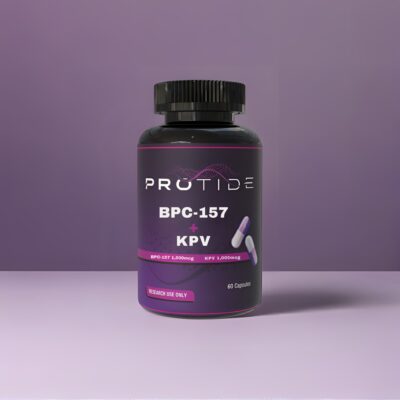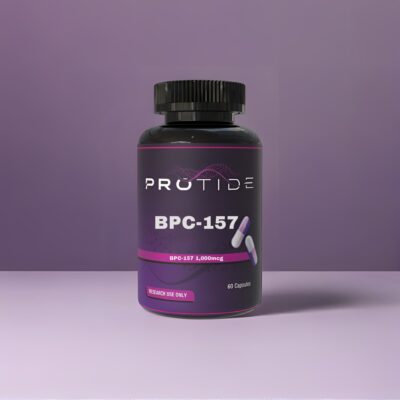
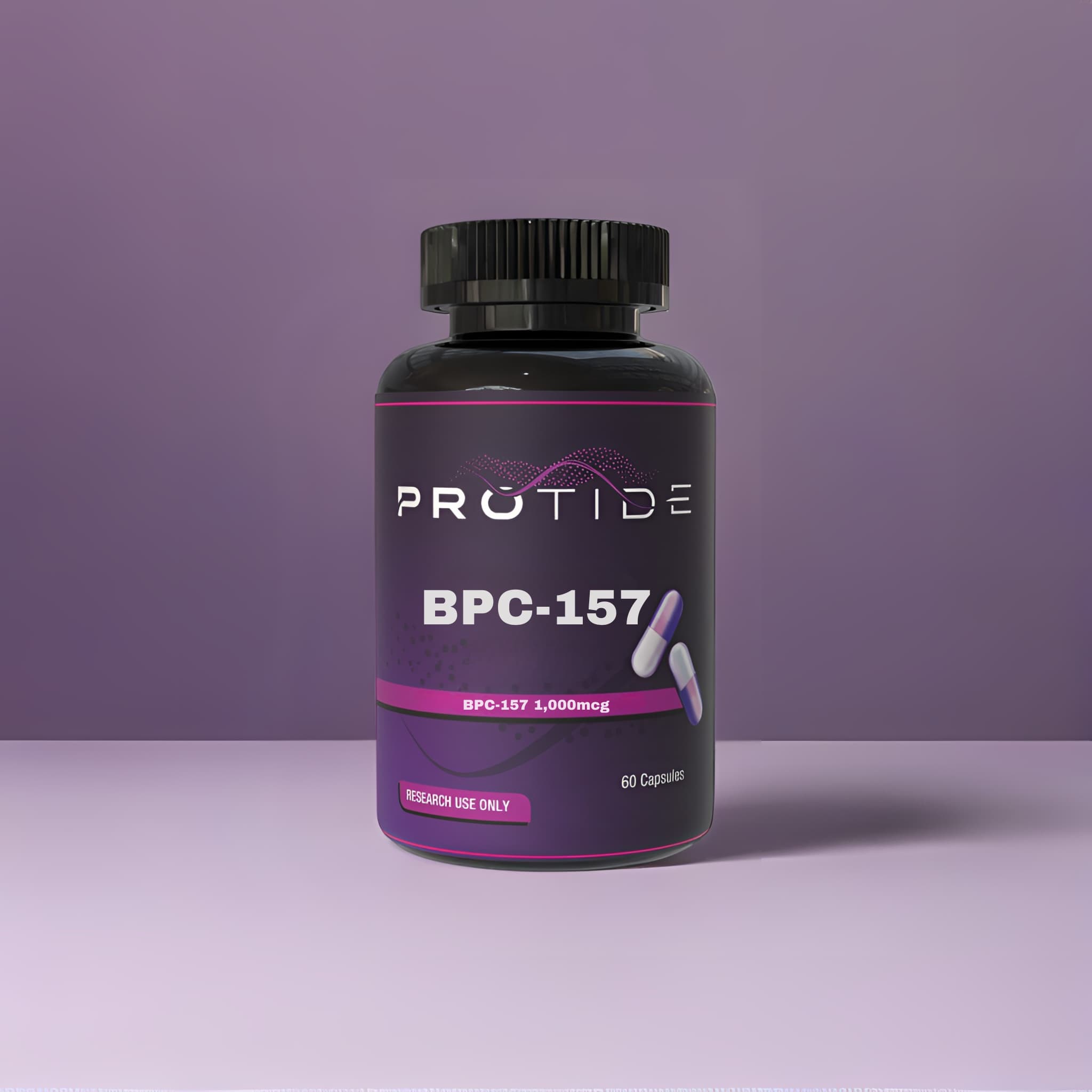
BPC-157 Capsules 1,000 mcg
$135.00
BPC-157 (Body Protection Compound-157) is a synthetic 15-amino-acid peptide fragment derived from the naturally occurring body protection compound found in human gastric juice. Extensively studied in preclinical and in-vitro models, BPC-157 exhibits a broad range of biological effects linked to angiogenesis, cytoprotection, nitric-oxide modulation, and fibroblast activity.
In stock
Free shipping on orders over $149!
- 99% Purity
- Third-Party Tested
- Secure Payments
- Free BAC Water
- Satisfaction Guaranteed
Disclaimer: This product is intended solely for laboratory research purposes. It is not for human consumption, medical use, veterinary use, or household application. All product information on this website is provided for educational purposes only. Researchers must handle this product with appropriate safety protocols and comply with all applicable regulations. Please review our Terms & Conditions before purchasing.
What is BPC-157?
BPC-157 (Body Protection Compound-157) is a synthetic pentadecapeptide — a chain of 15 amino acids — derived from a protective protein naturally found in human gastric juice. Its amino acid sequence is GEPPPGKPADDAGLV, and it has a molecular weight of 1,419 daltons. What makes BPC-157 remarkable in research is its unusual stability in stomach acid, its consistently positive healing effects across dozens of animal studies, and the fact that no lethal dose has ever been established in toxicity testing. Protide Health offers BPC-157 Capsules as a convenient oral research formulation for laboratory and preclinical studies.
BPC-157 has been studied in preclinical models since the early 1990s, with published research spanning tissue repair, gastrointestinal protection, angiogenesis (new blood vessel growth), nerve regeneration, and anti-inflammatory activity. It has been tested in Phase II clinical trials for inflammatory bowel disease (under the designations PL-10, PLD-116, and PL 14736) and is one of the most extensively studied peptides in the regenerative research space.
- Peptide type: Single peptide — a 15-amino-acid sequence (pentadecapeptide) derived from human gastric juice with demonstrated stability in acidic environments, making it well-suited for oral formulations.
- Formulation: Oral capsule for convenient research dosing.
- Primary research focus: Tissue repair, gastrointestinal protection, angiogenesis, anti-inflammatory activity, and musculoskeletal healing models.
BPC-157 Capsules Overview & Key Properties
BPC-157 was first identified and isolated by Professor Predrag Sikiric and colleagues at the University of Zagreb, Croatia. The peptide is a partial sequence of a larger protein called BPC (Body Protection Compound) that occurs naturally in human gastric juice, where it is believed to play a role in maintaining mucosal integrity and tissue homeostasis throughout the gastrointestinal tract (Sikiric et al., 2011).
A defining characteristic of BPC-157 is its stability in human gastric juice — it remains intact for more than 24 hours in the highly acidic environment of the stomach, which is unusual for a peptide of its size (Sikiric et al., 2011). This gastric stability is what makes the oral capsule formulation scientifically meaningful: unlike many peptides that are degraded by stomach acid and digestive enzymes before they can be absorbed, BPC-157 survives the gastric environment and has demonstrated biological activity when administered orally (per os) in numerous animal studies.
A 2025 systematic review in Orthopaedic Sports Medicine examined 36 studies published from 1993 to 2024 and confirmed that BPC-157 consistently promotes healing by boosting growth factors and reducing inflammation across muscle, tendon, ligament, and bone injury models (Vasireddi et al., 2025).
- Peptide class or family: Gastric pentadecapeptide — a stable fragment of the naturally occurring Body Protection Compound found in human gastric juice, with broad cytoprotective and tissue repair activity.
- Formulation and typical lab handling: Oral capsules for convenient dosing in research protocols. No reconstitution required.
- Suggested storage concept in lab settings: Store in a cool, dry place protected from light and moisture per lab SOPs. Keep capsules in their original sealed container until use.
- Common research models: Rat Achilles tendon transection, NSAID-induced gastric lesion models, inflammatory bowel disease models, medial collateral ligament (MCL) transection, muscle crush injury, intestinal anastomosis healing, and fistula closure models.
BPC-157 Mechanism of Action
BPC-157 works through multiple overlapping biological pathways, which is part of what makes it such a versatile research compound. Rather than hitting one single target, it appears to coordinate several repair processes simultaneously — much like the body’s own healing response, but amplified.
Angiogenesis and blood vessel repair: BPC-157 promotes the growth of new blood vessels by activating VEGFR2 (vascular endothelial growth factor receptor 2) and the Akt-eNOS signaling axis, which increases nitric oxide production. This improved blood supply is critical for healing in tissues with poor circulation, like tendons and ligaments (Regeneration or Risk review, 2025).
Growth factor upregulation: In tendon fibroblasts, BPC-157 has been shown to upregulate growth hormone receptor expression in a dose- and time-dependent manner, making cells more responsive to growth signals. It also stimulates expression of the EGR-1 (early growth response) gene, which drives production of cytokines and growth factors involved in early-stage tissue repair (Chang et al., 2014).
Anti-inflammatory activity: BPC-157 reduces inflammatory cytokines and modulates the nitric oxide system, acting as both a free radical scavenger and a regulator of NO levels in injured tissues. It engages ERK1/2 signaling pathways and facilitates endothelial and muscle repair while suppressing inflammation (Regeneration or Risk review, 2025).
Cytoprotection: True to its name as a “body protection compound,” BPC-157 protects cells from damage caused by NSAIDs, alcohol, and various toxic insults — a property rooted in its origin as a component of the stomach’s natural defense system (Sikiric et al., 2012).
BPC-157 Capsule Research
1. BPC-157 and Tendon and Ligament Repair Models
Tendon healing is one of the most extensively studied applications of BPC-157. Chang et al. (2010) demonstrated that BPC-157 significantly accelerated the outgrowth of tendon fibroblasts from tendon explants, increased cell survival under oxidative stress (H₂O₂), and enhanced tendon fibroblast migration in a dose-dependent manner. The peptide also upregulated the expression of FAK (focal adhesion kinase) and paxillin, key proteins involved in cell movement and attachment during tissue repair (Chang et al., 2010).
In a follow-up study, the same group showed that BPC-157 dose- and time-dependently increased growth hormone receptor expression in tendon fibroblasts at both the mRNA and protein levels. When growth hormone was added to BPC-157-treated cells, the proliferative response was significantly enhanced compared to growth hormone alone, suggesting that BPC-157 primes tissues to respond more effectively to endogenous repair signals (Chang et al., 2014). Additional rat studies have shown accelerated healing of transected Achilles tendons and medial collateral ligaments with BPC-157 treatment. These are preclinical findings and do not represent approved therapeutic claims.
2. BPC-157 and Gastrointestinal Protection
BPC-157’s origin in gastric juice makes the gut a natural area of research focus — and the oral capsule formulation aligns directly with this application. The peptide has been described as an anti-ulcer peptidergic agent that protects the gastrointestinal mucosa against damage from NSAIDs, alcohol, and other noxious agents. It has been shown to heal esophageal, gastric, duodenal, and intestinal lesions, recover sphincter function in chronic esophagitis models, and heal intestinal anastomoses and fistulas (Sikiric et al., 2011).
In short-bowel syndrome models, oral and parenteral BPC-157 therapy produced immediate weight gain above preoperative values, with increases in villus height, crypt depth, and muscle wall thickness — indicating full-thickness intestinal wall adaptation (Sikiric et al., 2011). The peptide has completed Phase II clinical trials for inflammatory bowel disease (as PL-10, PLD-116, PL 14736) with a safety profile showing no reported toxicity and no lethal dose achievable in animal testing (Sikiric et al., 2012 — IBD focus). These are clinical trial observations and do not constitute FDA approval.
3. BPC-157 and Musculoskeletal Injury Models
A 2019 review in Cell and Tissue Research examined the breadth of BPC-157 research across musculoskeletal soft tissues. The authors found consistently positive healing effects across tendon, ligament, and skeletal muscle injury models, with BPC-157 accelerating recovery from both direct trauma and systemic insults. The peptide’s effects on angiogenesis were highlighted as particularly important for hypovascular tissues like tendons and ligaments, which normally heal slowly due to limited blood supply (Gwyer et al., 2019).
A 2025 systematic review examining 36 studies from 1993 to 2024 confirmed these findings, reporting that BPC-157 promotes healing by boosting growth factors and reducing inflammation across muscle, tendon, ligament, and bone injury models. In the only human data available, a retrospective study found that 7 of 12 patients with chronic knee pain reported relief lasting over six months after a single BPC-157 injection (Vasireddi et al., 2025). These are preliminary findings — the majority of BPC-157 research remains preclinical.
4. BPC-157 and the Brain-Gut Axis
Recent research has expanded BPC-157’s profile beyond tissue repair into the brain-gut axis. The peptide has demonstrated neuroprotective effects in traumatic brain injury models, spinal cord injury models, and neurotoxin-induced demyelination models. It influences central neurotransmitter systems — particularly dopamine and serotonin signaling in the substantia nigra — when administered peripherally, suggesting a gut-to-brain signaling pathway (Sikiric et al., 2017).
A 2023 review examined BPC-157’s effects on both the brain-gut axis and the gut-brain axis, noting that the peptide counteracted brain injuries associated with NSAID toxicity, insulin overdose, and large bowel resection. The researchers emphasized that BPC-157 recovers leaky gut syndrome at the molecular pathway level while simultaneously protecting against central nervous system damage — suggesting it may help maintain the bidirectional communication between the gut and brain (Sikiric et al., 2023). These are animal model findings and do not represent approved neurological treatments.
BPC-157 Capsule Dosing Concepts for Lab Research
This section is educational, not prescriptive.
In published animal research, BPC-157 has been administered both intraperitoneally (IP) and orally (per os), typically at doses of 10 μg/kg or 10 ng/kg body weight. A notable feature of BPC-157 research is that these same dose ranges have been effective across both parenteral and oral routes of administration — consistent with the peptide’s stability in gastric juice. Oral dosing is typically administered in drinking water or via intragastric gavage. The capsule formulation offers standardized dosing convenience for oral research protocols.
- Focus: Evaluating whether oral BPC-157 administration produces equivalent tissue repair, cytoprotective, or anti-inflammatory effects compared to parenteral routes, across various injury and disease models.
- Study design: Using appropriate controls and standardized injury models, with endpoints including histological assessment, biomechanical testing (e.g., tendon burst strength), gene expression analysis (VEGF, EGR-1, GH receptor), and functional recovery measurements.
- Use the peptide dosage calculator to plan dosing protocols.
BPC-157 Capsule Specifications Table
| Parameter | Details |
|---|---|
| Peptide name | BPC-157 (Body Protection Compound-157) |
| Sequence | GEPPPGKPADDAGLV |
| Molecular weight | 1,419 Da |
| Formulation | Oral capsule |
| Peptide type | Single peptide (pentadecapeptide) |
| Typical use case | Tissue repair, GI protection, musculoskeletal healing, and brain-gut axis research models |
| Storage guidance | Cool, dry, dark; follow lab SOPs |
| Intended use | Laboratory research only, not for human use |
BPC-157 Capsule FAQs
What is BPC-157 used for in research?
BPC-157 is one of the most broadly studied regenerative peptides in preclinical research. It has been investigated for tissue repair (tendons, ligaments, muscles, bones), gastrointestinal protection (ulcers, inflammatory bowel disease, fistulas, anastomosis healing), neuroprotection (traumatic brain injury, spinal cord injury), and cardiovascular protection (endothelium integrity, thrombus formation). It has also completed Phase II clinical trials for inflammatory bowel disease.
Why choose BPC-157 capsules over injectable BPC-157?
BPC-157 is uniquely stable in human gastric juice — surviving the acidic stomach environment for over 24 hours. This means it can be administered orally and still reach target tissues with biological activity. In published animal studies, oral (per os) and parenteral (IP injection) routes have produced comparable effects at the same dose ranges. The capsule formulation offers convenience, standardized dosing, and ease of use for oral research protocols without the need for reconstitution or injection.
Is BPC-157 safe based on current research?
BPC-157 has an exceptionally clean preclinical safety record. No lethal dose (LD1) has been achieved in toxicity testing, the limit test is negative, and no adverse effects have been reported in animal studies or in Phase II inflammatory bowel disease clinical trials. However, it is important to note that comprehensive human safety data from large-scale clinical trials does not yet exist. BPC-157 is not FDA-approved for any therapeutic use.
Is BPC-157 banned by WADA?
BPC-157 was temporarily listed on the WADA Prohibited List in 2022 but is not currently listed as banned. However, athletes and those subject to anti-doping testing should verify the most current WADA regulations before use. This product is sold for research purposes only.
What is the difference between BPC-157 and TB-500?
BPC-157 and TB-500 (Thymosin Beta-4) are both studied for tissue repair, but they work through different mechanisms. BPC-157 promotes healing primarily through angiogenesis (VEGFR2 activation), growth hormone receptor upregulation, and nitric oxide system modulation. TB-500 promotes healing through actin regulation, cell migration, and anti-inflammatory pathways. Many research protocols study them in combination — in fact, Protide Health offers the Wolverine Blend which combines both BPC-157 and TB-500.
Where to buy BPC-157 capsules online?
You can buy BPC-157 capsules online in the United States at Protide Health. Every compound is backed by science, clearly labeled, and third-party tested for purity and identity.
Conclusion: Summary of BPC-157 Capsules for Research
BPC-157 capsules offer one of the most extensively studied regenerative peptides in a convenient oral research formulation. With over three decades of preclinical research spanning tissue repair, gastrointestinal protection, musculoskeletal healing, and neuroprotection, BPC-157 has demonstrated a remarkably consistent profile of positive effects across virtually every tissue type tested. Its natural stability in gastric juice makes it one of the few peptides genuinely suited for oral administration, and the capsule format provides standardized, convenient dosing for research protocols.
All research involving BPC-157 capsules should take place in controlled laboratory and preclinical settings. While BPC-157 has completed Phase II clinical trials for inflammatory bowel disease, it is not FDA-approved for any therapeutic use. Researchers are encouraged to follow all applicable institutional and regulatory guidelines.
Citations
- Sikiric P et al., 2011. Stable gastric pentadecapeptide BPC 157: novel therapy in gastrointestinal tract. Current Pharmaceutical Design.
- Sikiric P et al., 2012. Focus on ulcerative colitis: stable gastric pentadecapeptide BPC 157. Current Medicinal Chemistry.
- Sikiric P et al., 2012. Toxicity by NSAIDs: counteraction by stable gastric pentadecapeptide BPC 157. Current Pharmaceutical Design.
- Chang CH et al., 2010. The promoting effect of pentadecapeptide BPC 157 on tendon healing involves tendon outgrowth, cell survival, and cell migration. Journal of Applied Physiology.
- Chang CH et al., 2014. Pentadecapeptide BPC 157 enhances the growth hormone receptor expression in tendon fibroblasts. Molecules.
- Gwyer D et al., 2019. Gastric pentadecapeptide body protection compound BPC 157 and its role in accelerating musculoskeletal soft tissue healing. Cell and Tissue Research.
- Sikiric P et al., 2017. Brain-gut axis and pentadecapeptide BPC 157: theoretical and practical implications. Current Neuropharmacology.
- Sikiric P et al., 2023. Stable gastric pentadecapeptide BPC 157 may recover brain-gut axis and gut-brain axis function. Pharmaceuticals.
- Vasireddi N et al., 2025. Emerging use of BPC-157 in orthopaedic sports medicine: a systematic review. Orthopaedic Journal of Sports Medicine.
Legal Disclaimer for BPC-157 Capsules
The information provided in this description is for research purposes only. BPC-157 is not approved by the U.S. Food and Drug Administration (FDA) or any regulatory authority for human consumption or therapeutic use. It is intended solely for investigational use in controlled laboratory settings by qualified researchers. Protide Health does not endorse or promote the use of BPC-157 in humans or animals outside of approved research protocols. Researchers must comply with all applicable local, state, and federal regulations, including obtaining necessary approvals for experimental use. Consult with regulatory authorities before initiating any research involving BPC-157.
Products sold by Protide Health are for laboratory research purposes only and are not intended for human consumption, medical use, or veterinary use.
| Weight | 1 lbs |
|---|---|
| Dimensions | 5 × 5 × 5 in |