

DSIP
Price range: $55.00 through $100.00
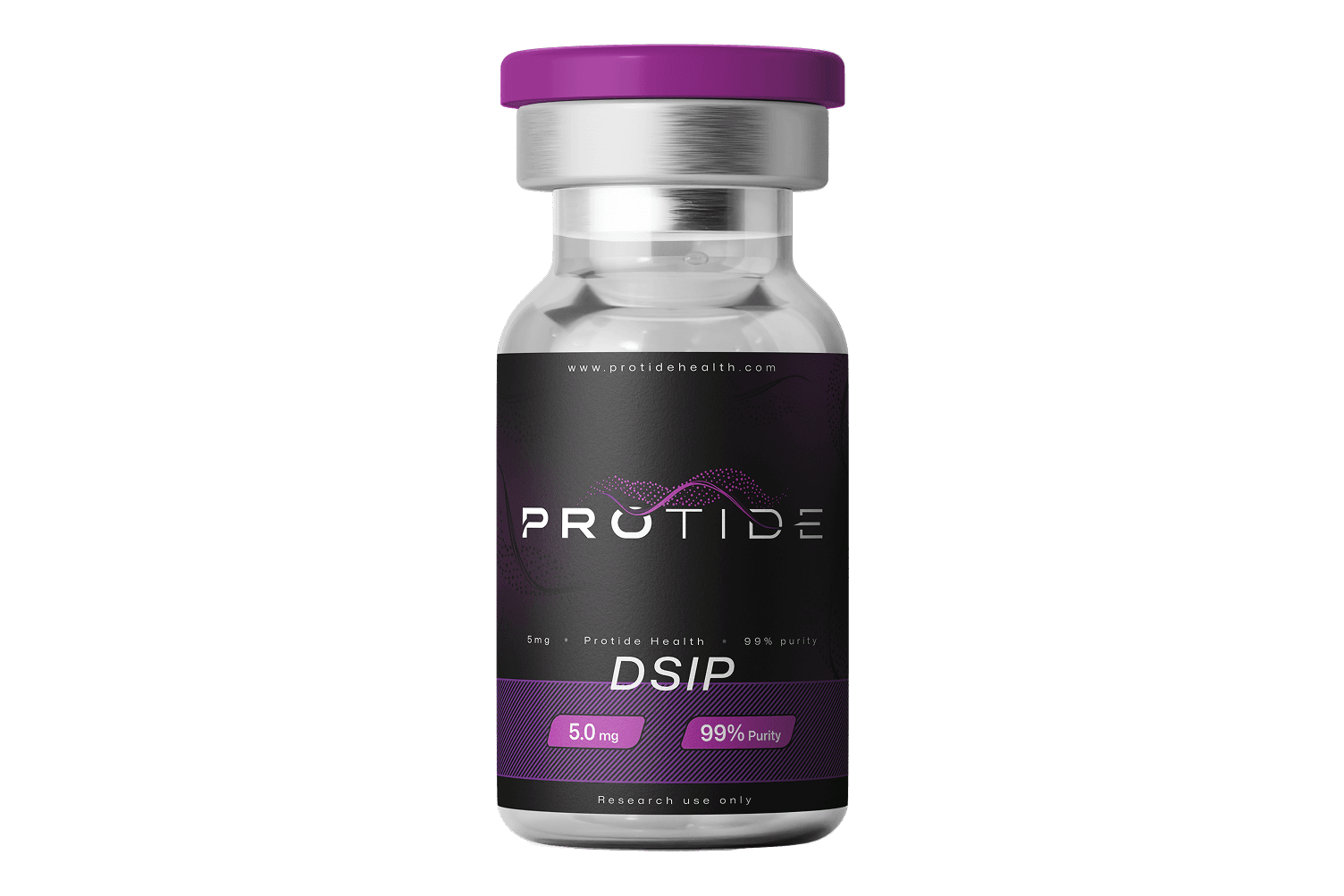
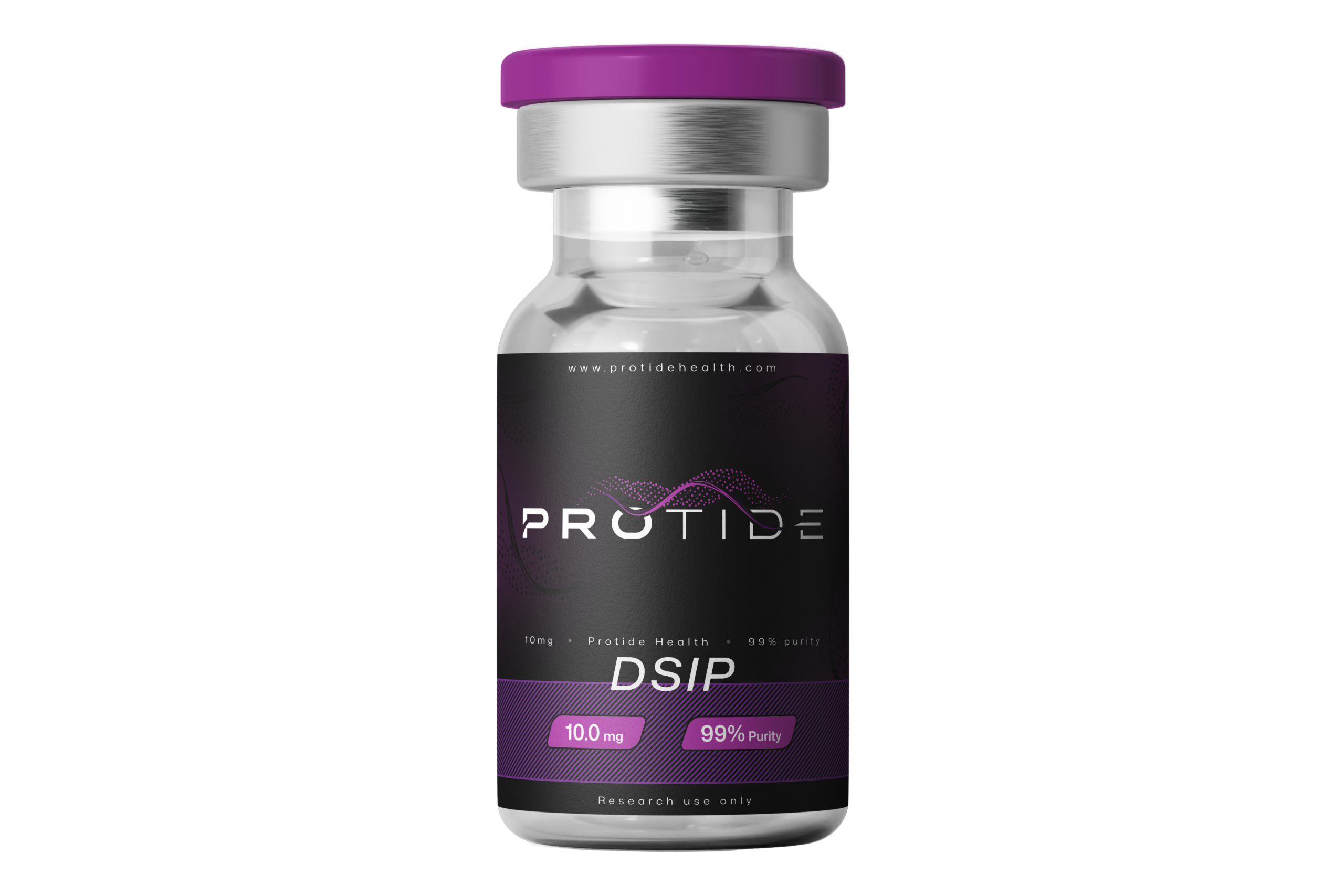
DSIP (Delta Sleep-Inducing Peptide) studied in preclinical neuroendocrine signaling and delta EEG activity models. Available in 5mg and 10mg lyophilized vials. Third-party tested, 99% purity. For research use only. Not for human consumption.
Free shipping on orders over $149!
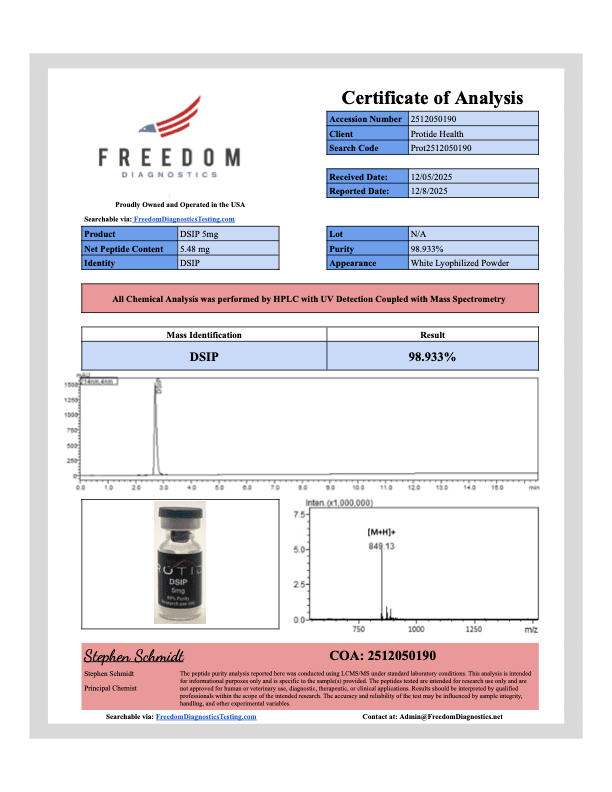
- 99% Purity (HPLC-MS Verified)
- Independent Third-Party Tested
- USA GMP Manufactured
- Complimentary BAC Water
- Ships in 24 Hours (USA)
Disclaimer: This product is intended solely for laboratory research purposes. It is not for human consumption, medical use, veterinary use, or household application. All product information on this website is provided for educational purposes only. Researchers must handle this product with appropriate safety protocols and comply with all applicable regulations. Please review our Terms & Conditions before purchasing.
DSIP (Delta Sleep-Inducing Peptide) Research
DSIP (Delta Sleep-Inducing Peptide), also known as Emideltide, is a synthetic nonapeptide strictly engineered for laboratory investigation. Researchers examine this compound in preclinical models to explore its influence on neuroendocrine regulation and circadian pathways. This article outlines current in vitro data and the molecular mechanisms of this research compound.
What is DSIP?
In vitro studies focus on this specific amphiphilic neuropeptide, initially identified in mammalian models. Laboratory investigation evaluates its molecular sequence to understand its exact mechanisms of action across varying environments.
Molecular Structure and Characteristics
Available in formats of 5mg to 10mg, researchers utilize this lyophilized compound to ensure structural integrity during controlled preclinical evaluations.
Researchers examine:
The nine-amino-acid sequence: Trp-Ala-Gly-Gly-Asp-Ala-Ser-Gly-Glu
Molecular weight metrics of approximately 848.81 g/mol
Amphiphilic stability across different in vitro solutions
Mechanisms Evaluated in Animal Studies
Current research investigates specific physiological responses associated with this compound. Animal studies measure its capacity to modulate complex neural and stress-response pathways.
Neuroendocrine Pathway Modulation
Laboratory investigation examines how DSIP influences the hypothalamic-pituitary-adrenal (HPA) axis (PubMed). Preclinical models measure fluctuations in serum hormone secretion following administration.
Studies investigate:
Upregulation metrics of adrenocorticotropic hormone (ACTH) and luteinizing hormone (LH)
Suppression of specific signaling hormones like somatostatin
Modulation of slow-wave sleep states via delta EEG activity tracking
Cytoprotection and Oxidative Stress Models
Experimental applications strictly focus on measuring specific cellular biomarkers during induced physiological states. Researchers use isolated neuronal cultures to map responses to environmental stressors.
Observations in these models include:
Reductions in Reactive Oxygen Species (ROS) concentrations (PubMed)
Measured enhancement of oxidative phosphorylation in cellular assays
Mitigation of pro-inflammatory cytokines, specifically TNF-α
Preclinical Investigation Areas
Researchers utilize various subject models to map the full pharmacological profile of this synthetic molecule. The applications focus heavily on chronobiology and neurological stress.
Chronobiology and Senescence Research
Animal studies measure specific plasma concentrations alongside EEG readouts to model circadian rhythms. In vitro models also evaluate cellular senescence, tracking biological mechanisms that delay apoptosis (cell death).
Evaluations focus on:
Correlation metrics between neuropeptide levels and sleep initiation phases
DSIP-mediated reductions in excitotoxicity following simulated ischemic events (PubMed)
Modulation of p53 expression in prolonged cellular resilience studies
Compound Specifications
Researchers frequently analyze structurally targeted molecules to map distinct signaling pathways compared to broader compounds.
Frequently Asked Questions (FAQ)
What is DSIP investigated for?
Research examines its interaction with neuroendocrine and chronobiology pathways in controlled settings. Animal studies measure its influence on delta EEG activity and HPA axis hormone secretion.
How is it used in cellular research?
Preclinical models investigate its antioxidant properties within isolated neuronal cultures. Researchers measure its ability to reduce oxidative stress and track changes in cellular senescence biomarkers.
Conclusion on DSIP Research
In conclusion, DSIP (Delta Sleep-Inducing Peptide) remains a primary focus of laboratory investigation regarding neuroendocrine regulation and cytoprotection. Preclinical models continue to examine its interaction with the HPA axis, circadian pathways, and oxidative stress markers.
References
Graf, M. V., et al. Peptides. PubMed
Iyer, K. S., et al. Neuroendocrinology. PubMed
Mikhaleva, I. I., et al. Bulletin of Experimental Biology and Medicine. PubMed
Khvatova, E. M., et al. Neuroscience and Behavioral Physiology. PubMed
Legal Disclaimer
The information provided in this description is for research purposes only. The DSIP peptide is not approved by the U.S. Food and Drug Administration (FDA) or any regulatory authority for human consumption or therapeutic use. It is intended solely for investigational use in controlled laboratory settings by qualified researchers. Protide Health does not endorse or promote the use of DSIP peptide in humans or animals outside of approved research protocols. Researchers must comply with all applicable local, state, and federal regulations, including obtaining necessary approvals for experimental use. Consult with regulatory authorities before initiating any research involving DSIP peptide.
Products sold by Protide Health are for laboratory research purposes only and are not intended for human consumption, medical use, or veterinary use.
| Select vial strength: | 5mg, 10mg |
|---|