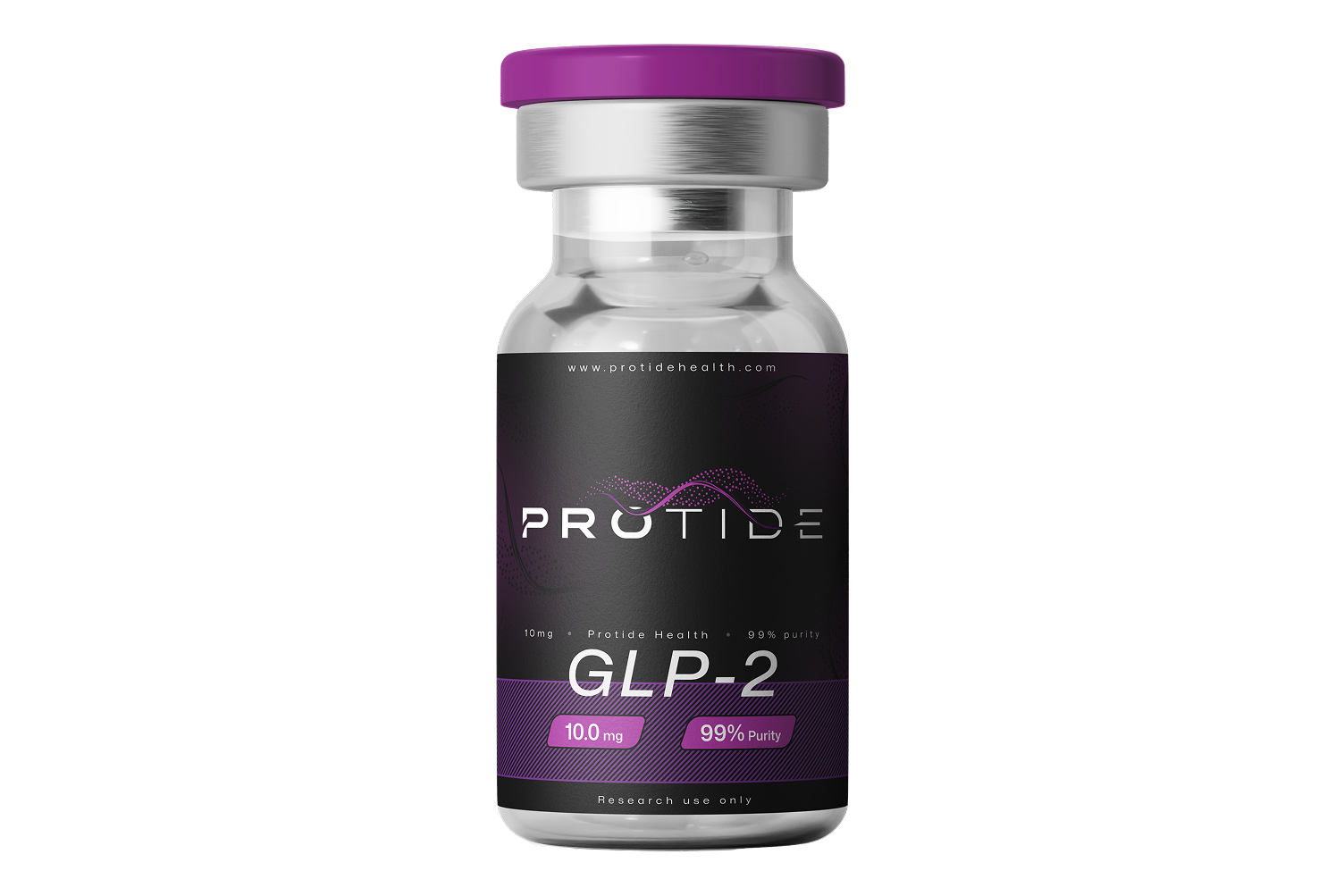
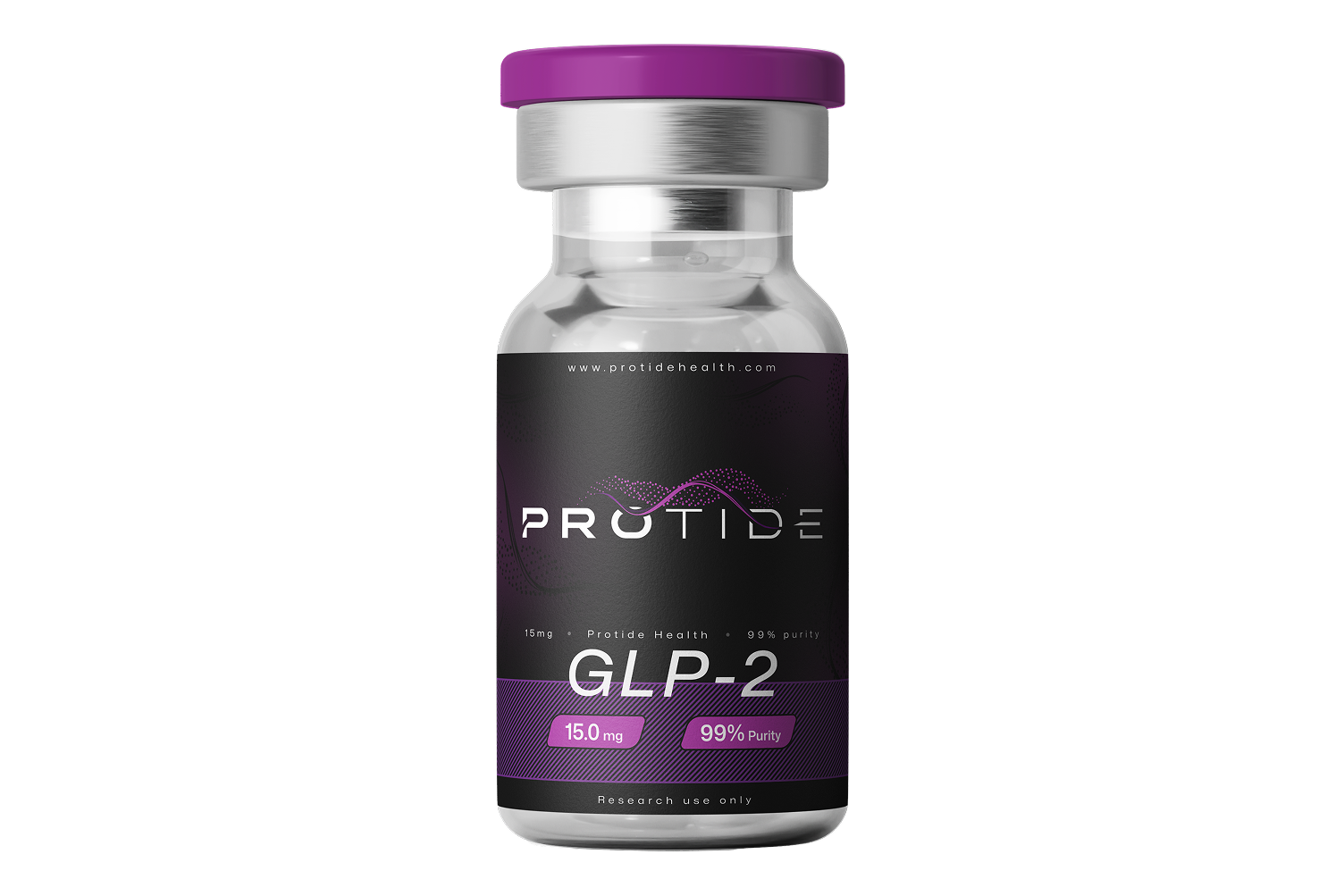


GLP-2
Price range: $110.00 through $250.00
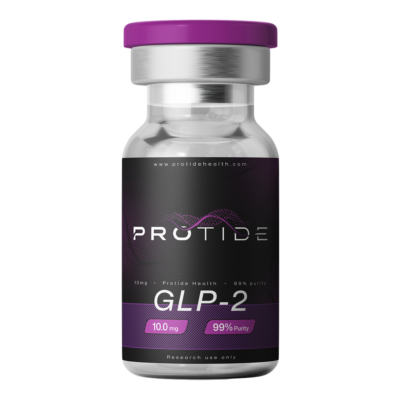
GLP-2 is a lab-tested dual incretin agonist research peptide targeting GIP and GLP-1 receptor pathways. Available in 10mg, 15mg, and 30mg lyophilized vials. Purity 99% verified by third-party HPLC testing. USA domestic fulfillment. For research use only. Not for human consumption.
Free shipping on orders over $149!
- 99% Purity (HPLC-MS Verified)
- Independent Third-Party Tested
- USA GMP Manufactured
- Complimentary BAC Water
- Ships in 24 Hours (USA)
Disclaimer: This product is intended solely for laboratory research purposes. It is not for human consumption, medical use, veterinary use, or household application. All product information on this website is provided for educational purposes only. Researchers must handle this product with appropriate safety protocols and comply with all applicable regulations. Please review our Terms & Conditions before purchasing.
GLP-2 Peptide: Dual Agonist for Metabolic Research
The GLP-2 peptide is a synthetic, multi-receptor compound investigated in laboratory settings to examine dual incretin signaling. Preclinical models utilize this dual agonist to observe interactions with glucose-dependent insulinotropic polypeptide (GIP) and glucagon-like peptide-1 (GLP-1) receptors.
Investigating Dual-Receptor Mechanisms
Laboratory studies explore how the structural acylation of this peptide enables simultaneous binding to specific incretin receptors. Researchers examine these interactions in strictly controlled environments to gather data on cellular appetite signaling and metabolic markers.
GIP and GLP-1 Activation Pathways
Preclinical models investigate the concurrent stimulation of cellular receptors located on pancreatic beta cells and neural pathways (PubMed). Animal studies measure specific mechanisms:
Insulin secretion variations dependent on glucose concentrations during testing.
Gastric emptying rates and glucagon level suppression in controlled models.
Enhanced cellular responses resulting from combined incretin pathway engagement.
Metabolic and Energy-Balance Research Models
The primary role of this compound centers on modeling glucose regulation and body composition alterations. Scientists employ these dual-agonist peptides in animal models to yield precise data regarding endocrine function.
Body Composition and Glucose Models
Animal models measure the peptide’s influence on biological markers linked to nutrient processing and physical adaptations. Preclinical obesity and metabolic syndrome models examine shifts following exposure (PubMed). Research investigates several endpoints:
Fat mass versus lean tissue variations during laboratory trials.
Energy intake modifications driven by neural appetite signaling.
Cardiometabolic risk markers, including lipid and inflammatory changes in vitro.
GLP-2 Specifications
The GLP-2 peptide serves as a vital instrument for investigating incretin signaling, metabolic regulation, and dual-receptor dynamics. Preclinical studies continue to examine its unique interaction with GIP and GLP-1 pathways.
References
Authors. “Efficacy of dual GIP and GLP-1 receptor agonist.” PubMed. PubMed
Authors. “GLP-2 therapeutic spectrum: dual GIP/GLP-1 agonist.” PMC. PubMed
Legal Disclaimer
The information provided in this description is for research purposes only. The GLP-2 peptide is not approved by the U.S. Food and Drug Administration (FDA) or any regulatory authority for human consumption or therapeutic use. It is intended solely for investigational use in controlled laboratory settings by qualified researchers. Protide Health does not endorse or promote the use of GLP-2 peptide in humans or animals outside of approved research protocols. Researchers must comply with all applicable local, state, and federal regulations, including obtaining necessary approvals for experimental use. Consult with regulatory authorities before initiating any research involving GLP-2 peptide.
Products sold by Protide Health are for laboratory research purposes only and are not intended for human consumption, medical use, or veterinary use.
| Select vial strength: | 10mg, 15mg, 30mg |
|---|
FAQs
You may also like…
-

-
GLP-3
Price range: $140.00 through $330.00Select options This product has multiple variants. The options may be chosen on the product page -
BPC-157
Price range: $75.00 through $250.00Select options This product has multiple variants. The options may be chosen on the product page