IllumiNeuro Peptide Blend: A Compound Research Guide
Research‑Use‑Only Notice: All content on this website and all product information are for educational and informational purposes only. All products referenced are for laboratory research, analytical, and in‑vitro or preclinical in‑vivo use only. They are not medicines or drugs, have not been evaluated or approved by the FDA, and are not intended to diagnose, treat, cure, or prevent any disease. Any bodily introduction into humans or animals is strictly prohibited.
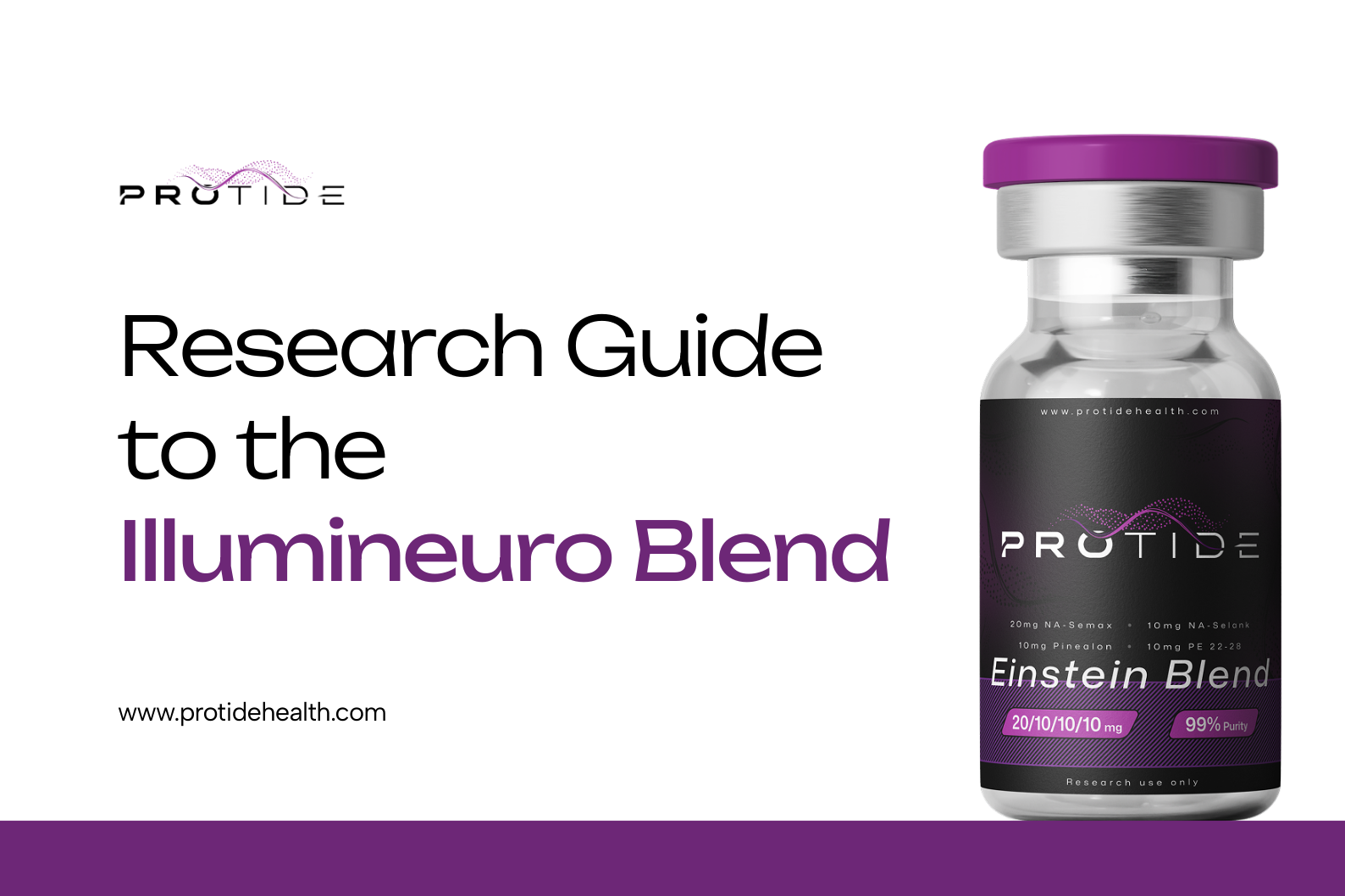
The IllumiNeuro peptide blend, also known as “Einstein blend”, combines four peptide and peptidomimetic compounds into a 50 mg formulation targeting intersecting neural pathways. This guide reviews the primary literature for each constituent, examines mechanistic rationale for their co-administration in a research context, and summarises the current state of preclinical evidence.
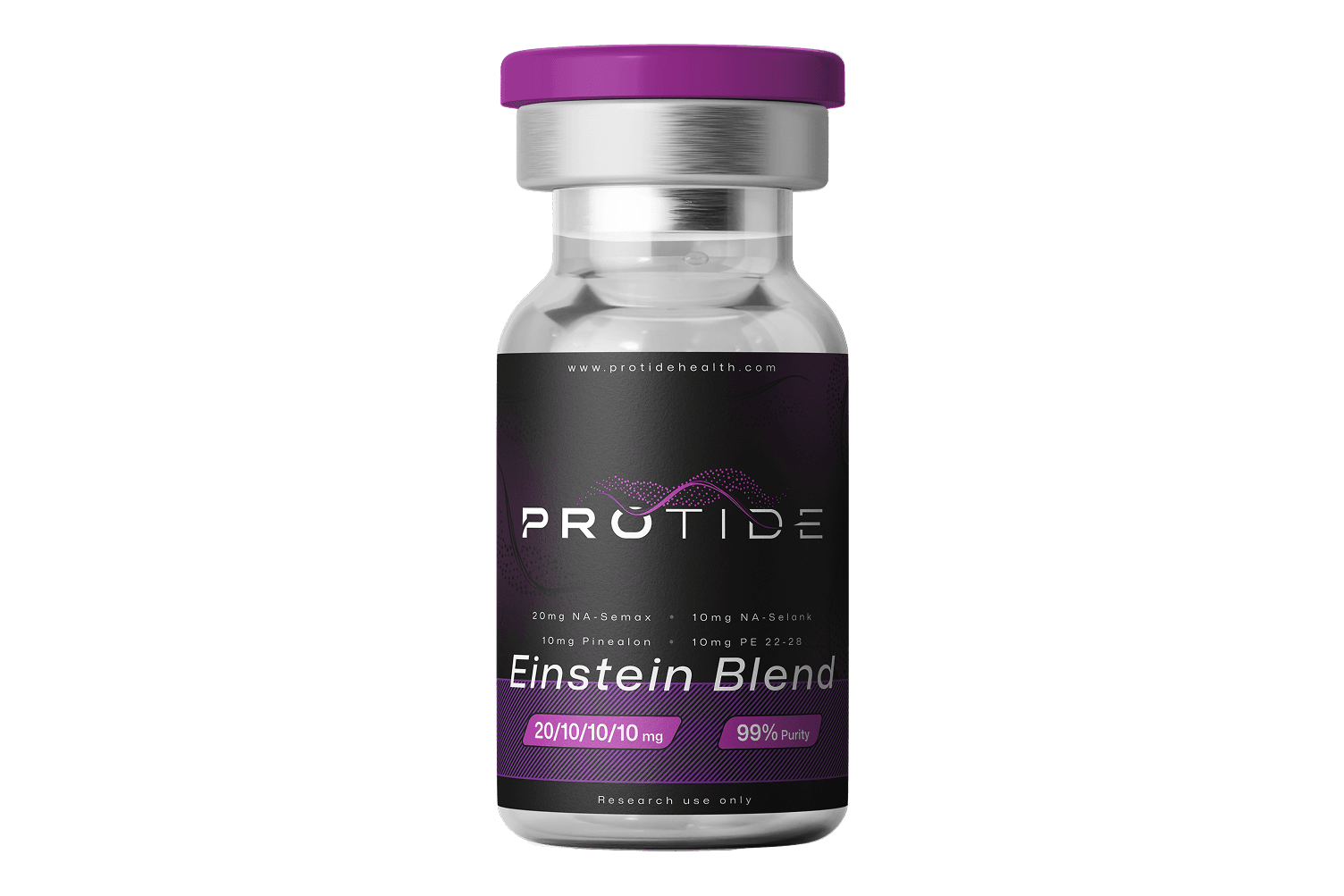
All four compounds have independent bodies of published research. What distinguishes a multi-compound formulation from single-compound study is the potential for additive or convergent activity across shared targets: primarily BDNF signalling, GABAergic tone, and synaptic plasticity mechanisms.
IllumiNeuro Peptide Blend Composition
The IllumiNeuro peptide blend contains the following compounds at the concentrations listed below:
| Compound | Amount | Mechanism Class | Primary Research Area |
|---|---|---|---|
| NA-Semax Amidate | 20 mg | ACTH 4-7 analogue / BDNF inducer | BDNF upregulation, neuroprotection |
| NA-Selank Amidate | 10 mg | Tuftsin analogue / anxiolytic | GABA-A modulation, immune-neural axis |
| Pinealon (EDR) | 10 mg | Pineal peptide / epigenetic regulator | Neuroprotection, DNA methylation, circadian |
| PE-22-28 | 10 mg | TREK-1 channel inhibitor | AMPA trafficking, BDNF-independent plasticity |
| Total | 50 mg |
NA-Semax Amidate: BDNF and Neuroprotective Mechanisms
Semax is a synthetic heptapeptide derived from the adrenocorticotropic hormone (ACTH) 4-7 sequence. The NA (N-acetylated) and amidate modifications confer increased proteolytic stability relative to unmodified Semax, extending effective tissue exposure in preclinical models.
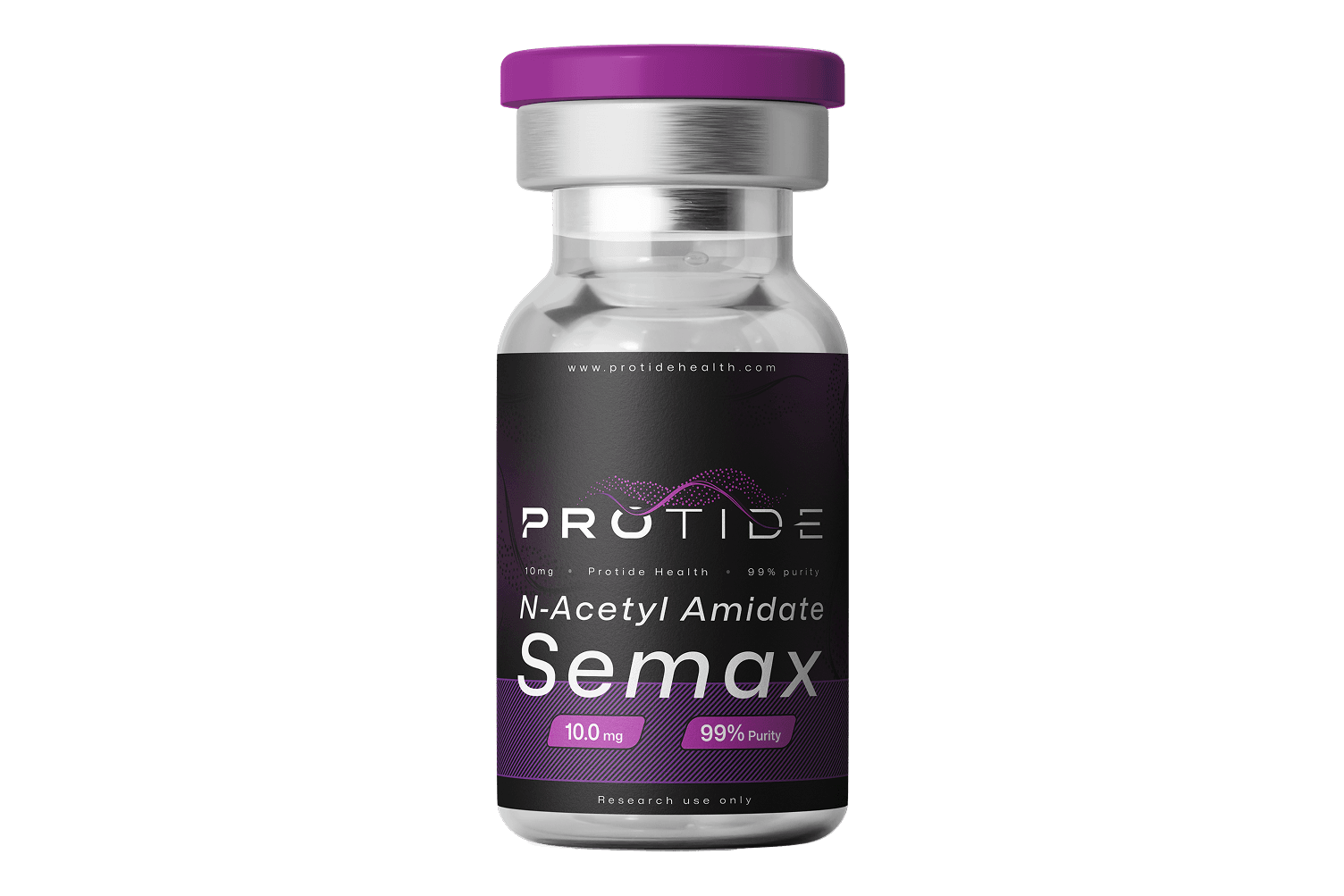
The most studied downstream effect of Semax administration in rodent models is BDNF upregulation. A 2020 study published in Molecular Neurobiology (Dolotov et al.) demonstrated that intranasal Semax administration elevated BDNF mRNA expression in the hippocampus and frontal cortex of Wistar rats within 30 minutes of administration. BDNF is the primary ligand for TrkB receptors, which regulate synaptic strengthening via downstream MAPK and PI3K pathways.
Separately, Semax has been studied in models of ischaemic stroke. A series of trials investigated Semax nasal spray in acute ischaemic stroke patients, with researchers reporting reduced neurological deficit scores in the intervention group. The proposed mechanism involves NGF and BDNF induction alongside suppression of pro-inflammatory cytokines IL-1beta and TNF-alpha.
The NA-amidate form specifically has been shown in receptor-binding studies to exhibit higher affinity for melanocortin receptor subtypes (MC4R, MC5R) compared to standard Semax, which may contribute to a broader pattern of CNS activity beyond direct BDNF induction.
NA-Selank Amidate: GABA-A Modulation and the Immune-Neural Axis
Selank is a synthetic analogue of the endogenous immunomodulatory peptide Tuftsin (Thr-Lys-Pro-Arg), with the extended sequence Thr-Lys-Pro-Arg-Pro-Gly-Pro. The NA-amidate form improves metabolic stability and bioavailability in nasal delivery models.
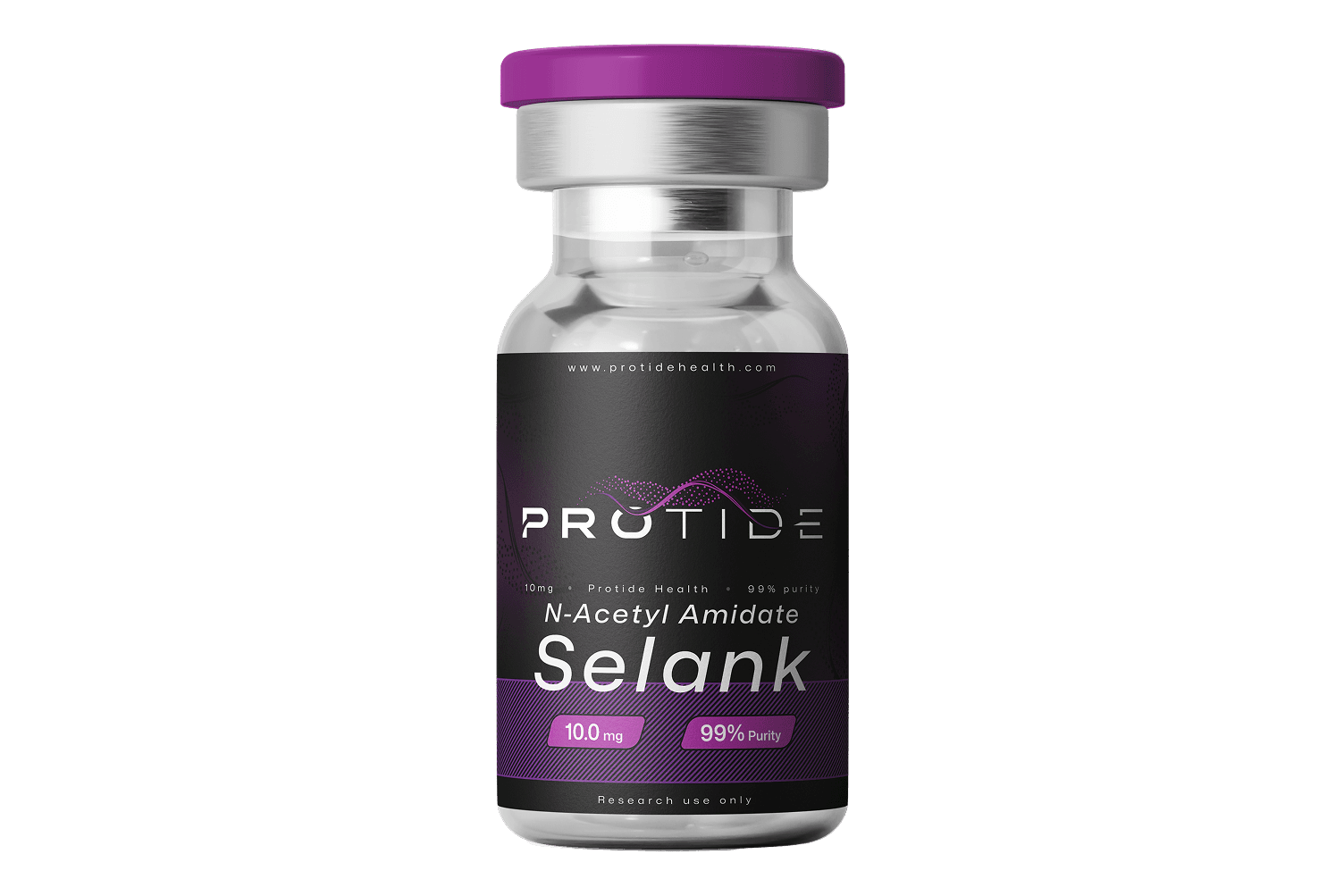
Preclinical and early clinical research has characterised Selank primarily as an anxiolytic compound with a mechanism distinct from classical benzodiazepines. A 2014 study by Semenova et al. (Bulletin of Experimental Biology and Medicine) found that Selank produced anxiolytic effects in a rat elevated plus-maze model and modulated GABA-A receptor subunit expression, specifically upregulating the alpha-1 and beta-1 subunits associated with sedation-free anxiolysis.
An important feature of Selank research is its effect on the immune-neural interface. Multiple studies have demonstrated that Selank modulates the production of interleukins, particularly IL-6 and IL-1beta, suggesting activity at the intersection of immune regulation and neuromodulation. Researchers have proposed that this bidirectional activity may be relevant to neuroinflammatory models, though direct mechanistic pathways remain under investigation.
The co-presence of NA-Semax Amidate and NA-Selank Amidate in the IllumiNeuro peptide blend is mechanistically relevant: both compounds appear to converge on inflammatory cytokine modulation, with Semax working via BDNF/NGF induction and Selank via direct cytokine suppression, representing potentially complementary rather than redundant activity.
Pinealon (EDR): Epigenetic Regulation and Neuroprotection
Pinealon is a tripeptide with the sequence Glu-Asp-Arg (EDR), originally isolated from bovine pineal gland extracts by the research group of Vladimir Khavinson at the Saint Petersburg Institute of Bioregulation and Gerontology. It is classified as a peptide bioregulator: a class of short peptides hypothesised to act as epigenetic regulators through direct interaction with gene promoter regions.
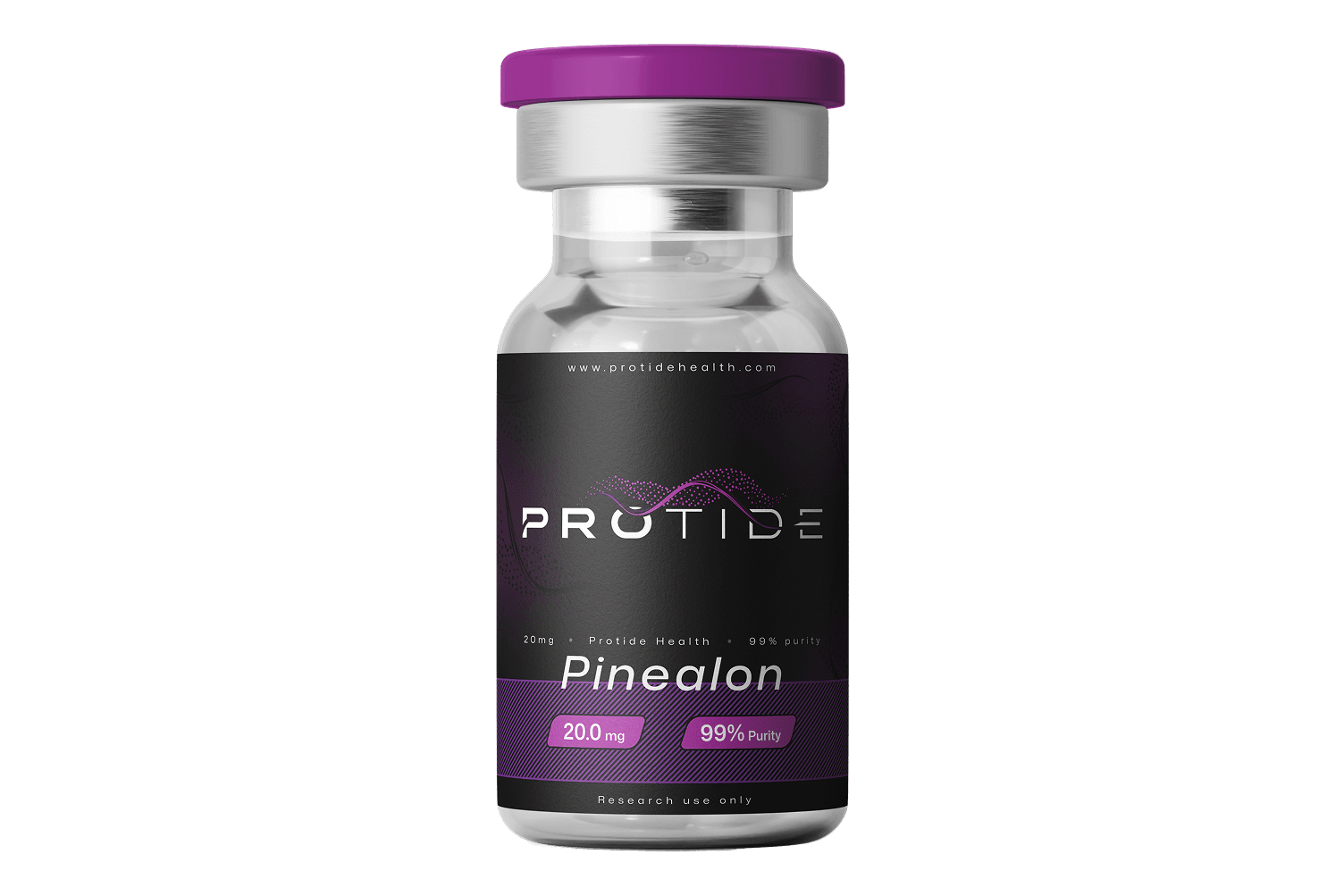
Khavinson and colleagues published a series of studies between 2012 and 2019 characterising the DNA-binding properties of EDR and related short peptides. A key finding (Khavinson et al., 2019, Frontiers in Genetics) was that EDR demonstrated sequence-specific binding to the promoter region of the gene encoding S100B, a glial calcium-binding protein associated with neuroprotection and synaptic plasticity. The researchers proposed this as a mechanism by which EDR could epigenetically modulate glial cell activity.
Separately, Pinealon has been studied in oxidative stress models. In vitro studies using SH-SY5Y neuroblastoma cells found that pre-treatment with EDR reduced apoptosis following hydrogen peroxide challenge, with effects attributed to activation of SIRT1 and upregulation of Nrf2-dependent antioxidant pathways.
A circadian dimension has also been noted. Given its pineal origin, Pinealon has been investigated for potential interactions with melatonin synthesis pathways, with some preclinical evidence suggesting it may influence the AANAT enzyme involved in melatonin biosynthesis, though this line of research remains at early stages.
PE-22-28: TREK-1 Inhibition and AMPA Receptor Trafficking
PE-22-28 is a spadin analogue. Spadin is a peptide derived from the pro-region of the NTSR3/sortilin receptor, identified in a landmark 2010 paper by Mazella et al. (Journal of Experimental Medicine) as an endogenous inhibitor of TREK-1 (TWIK-related K+ channel 1), a two-pore domain potassium channel with well-characterised roles in depression models.
TREK-1 is tonically active and contributes to resting membrane potential in neurons. Its inhibition results in membrane depolarisation and increased neuronal excitability. In mice, TREK-1 knockout produces a depression-resistant phenotype (Heurteaux et al., 2006, Nature Neuroscience), and this finding has made TREK-1 inhibitors a focus of antidepressant research.
PE-22-28 was developed as a structurally optimised variant of spadin with improved stability. Research by Djillani et al. (2017, Frontiers in Pharmacology) demonstrated that PE-22-28 was significantly more potent than spadin at TREK-1 inhibition in electrophysiology assays and produced antidepressant-like effects in the forced swim test and chronic unpredictable mild stress (CUMS) models at lower concentrations.
Critically, PE-22-28’s mechanism is BDNF-independent. Where most antidepressant compounds ultimately converge on BDNF/TrkB signalling to produce synaptic changes, spadin analogues appear to act via a distinct pathway involving increased AMPA receptor trafficking to the postsynaptic membrane. This represents a convergent but mechanistically separate route to synaptic potentiation, making PE-22-28 potentially additive with BDNF-inducers like NA-Semax Amidate rather than redundant.
Pathway Interactions in Multi-Compound Research Contexts
The mechanistic landscape across the four compounds in the IllumiNeuro peptide blend shows several points of convergence:
- BDNF signalling: NA-Semax Amidate directly induces BDNF expression. PE-22-28 promotes synaptic potentiation via AMPA trafficking, a pathway BDNF also activates via TrkB/PI3K. Research in multi-compound models may need to control for additive TrkB-downstream effects.
- Neuroinflammation: Both NA-Semax Amidate (via NGF/BDNF) and NA-Selank Amidate (via direct cytokine modulation) have demonstrated anti-inflammatory effects in preclinical models. Pinealon adds a third independent anti-oxidative mechanism via Nrf2.
- Synaptic plasticity: AMPA receptor upregulation (PE-22-28 via TREK-1 inhibition), TrkB-dependent LTP enhancement (Semax via BDNF), and S100B modulation (Pinealon) represent three distinct mechanistic entry points.
- GABA modulation: NA-Selank Amidate provides the only direct GABAergic mechanism in the blend, potentially acting as a modulatory counterbalance to the excitatory effects of TREK-1 inhibition.
Research Applications and Study Design Considerations
From a preclinical research perspective, formulations combining multiple neuroactive compounds raise important methodological considerations. Attribution of observed effects to specific compounds within a blend requires carefully designed ablation studies, testing the blend with and without each component, which represents a meaningful barrier to mechanistic conclusions.
Current published literature does not include studies on this specific four-compound combination. Research teams interested in the IllumiNeuro peptide blend would likely begin with in vitro co-administration studies to characterise any pharmacokinetic interactions, followed by behavioural paradigm work using validated assays such as the Morris Water Maze, Novel Object Recognition, and CUMS protocols.
The differential metabolic stabilities of the four compounds may also be a relevant variable in time-course studies, given the differing plasma half-lives of a short tripeptide (Pinealon) versus the larger modified structures (Semax and Selank).
Frequently Asked Questions
What is the IllumiNeuro peptide?
The IllumiNeuro peptide blend is a 50 mg research formulation containing NA-Semax Amidate (20 mg), NA-Selank Amidate (10 mg), Pinealon (10 mg), and PE-22-28 (10 mg). These compounds have each been independently studied for neuroactive properties in preclinical research.
Is IllumiNeuro the same as the Einstein peptide blend?
Yes. The IllumiNeuro peptide blend is also referred to as the IllumiNeuro Einstein Blend. Both names refer to the same formulation: the same four-compound, 50 mg research blend available from Protide Health. “Einstein” is a product nickname used interchangeably with “IllumiNeuro.”
What is PE-22-28 and why is it in the blend?
PE-22-28 is a synthetic analogue of spadin, an endogenous TREK-1 potassium channel inhibitor. Its mechanism, promoting AMPA receptor trafficking to the synapse, is BDNF-independent, making it mechanistically distinct from and potentially complementary to the BDNF-inducers present in the rest of the blend.
What does NA-Semax Amidate do mechanistically?
NA-Semax Amidate is an ACTH 4-7 analogue with N-acetyl and amide modifications for proteolytic stability. Its primary mechanistic characterisation in preclinical literature is as a BDNF and NGF inducer, with secondary evidence for melanocortin receptor activity and anti-inflammatory cytokine modulation.
What is Pinealon (EDR)?
Pinealon is the tripeptide Glu-Asp-Arg (EDR), originally identified in bovine pineal gland extracts. It has been studied as a peptide bioregulator with proposed epigenetic activity via gene promoter binding, alongside preclinical evidence for neuroprotective effects through Nrf2 and SIRT1 pathway activation.
How does NA-Selank Amidate differ from standard Selank?
The NA (N-acetylated) and amidate modifications increase proteolytic stability, extending the compound’s effective half-life in biological environments. Both forms act as Tuftsin analogues with GABA-A modulating properties, but the modified form is typically studied at different concentration ranges due to its stability profile.
Where can researchers access the primary literature?
Key research is indexed on PubMed, and PMC. Recommended search terms: “Semax BDNF”, “Selank GABA”, “EDR peptide neuroprotection”, “spadin TREK-1”, “PE-22-28 antidepressant”. The Khavinson group’s work on peptide bioregulators is accessible via Frontiers in Genetics.
Research Resources
- Dolotov OV et al. (2020). Semax and BDNF. Molecular Neurobiology. PMID: 32274655
- Semenova TP et al. (2014). Selank and GABA-A receptor modulation. Bulletin of Experimental Biology and Medicine
- Khavinson V et al. (2019). EDR (Pinealon) and S100B promoter binding. Frontiers in Genetics
- Djillani A et al. (2017). PE-22-28 antidepressant-like effects. Frontiers in Pharmacology. PMC5658459
- Heurteaux C et al. (2006). TREK-1 and depression phenotype. Nature Neuroscience
- Mazella J et al. (2010). Spadin as TREK-1 blocker. Journal of Experimental Medicine. PMID: 20660614
Disclaimer: The IllumiNeuro peptide blend is manufactured for research purposes only. All compounds are for laboratory and research use, and not for human or animal consumption. This article is intended to summarise publicly available preclinical literature and does not constitute medical advice.