Growth Hormone Secretagogues in Preclinical Body‑Composition Research: 2026 Overview
Research‑Use‑Only Notice: All content on this website and all product information are for educational and informational purposes only. All products referenced are for laboratory research, analytical, and in‑vitro or preclinical in‑vivo use only. They are not medicines or drugs, have not been evaluated or approved by the FDA, and are not intended to diagnose, treat, cure, or prevent any disease. Any bodily introduction into humans or animals is strictly prohibited.
Introduction
Growth hormone secretagogues (GHS) are a diverse class of research compounds used to investigate growth hormone–related pathways in controlled experimental models. These studies often focus on body‑composition endpoints such as lean mass markers, adipose tissue signaling, and metabolic biomarkers in vitro or in vivo preclinical systems.
What Are Growth Hormone Secretagogues?
Growth hormone secretagogues are compounds that modulate the growth hormone (GH) axis by interacting with receptors such as the growth hormone–releasing hormone (GHRH) receptor or ghrelin receptor in experimental settings. Researchers use these compounds to study how GH signaling influences protein synthesis pathways, collagen turnover, and fat‑metabolism markers in non‑clinical models.
Well‑known GHS families include GHRH analogs, ghrelin mimetics, and related peptide tools that allow laboratories to probe endocrine and body‑composition mechanisms under tightly controlled conditions. These compounds are handled within institutional protocols and are not intended for human or animal consumption.
Key GHS Compounds in Research
CJC‑1295 and Ipamorelin
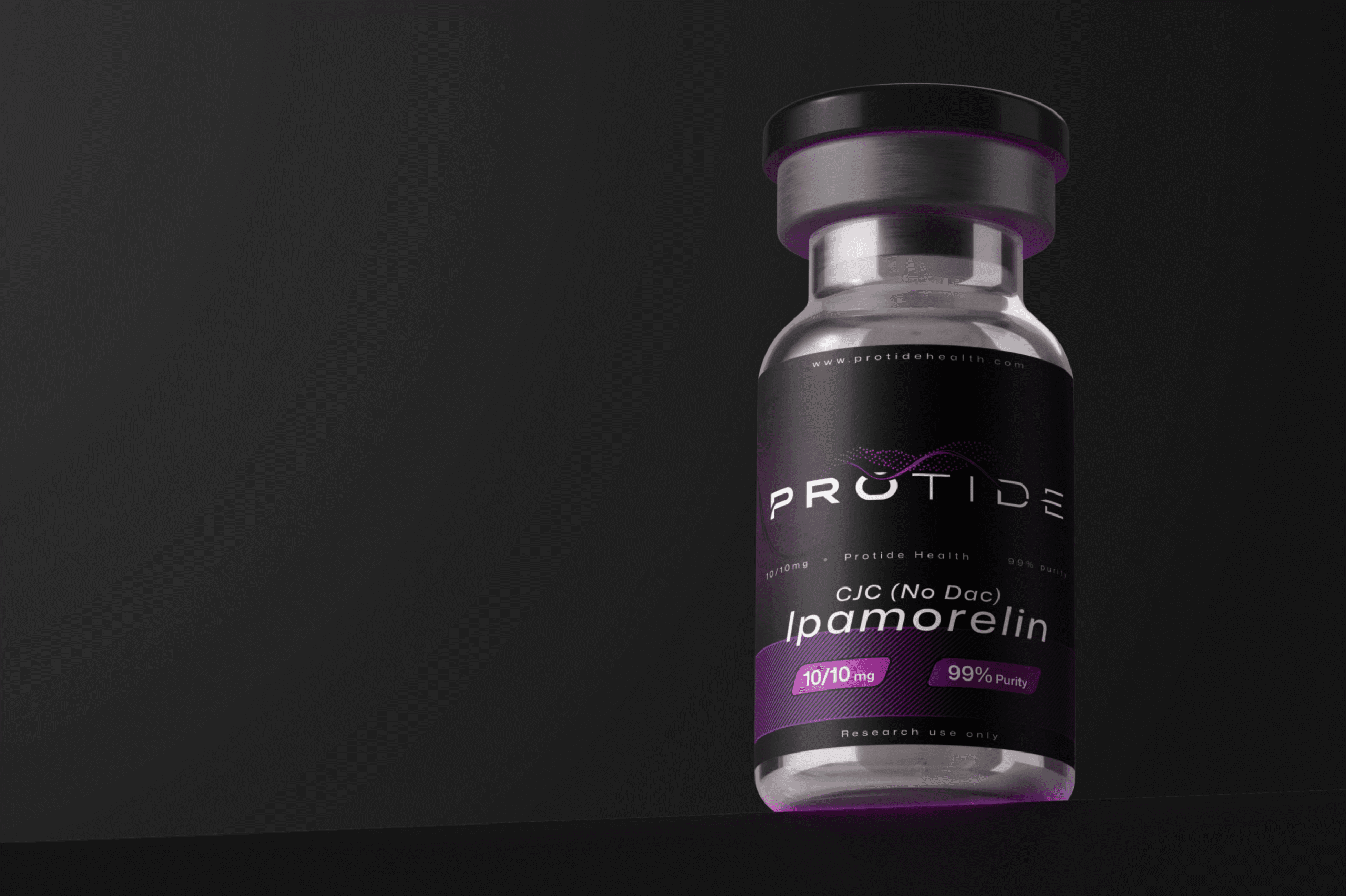
CJC‑1295 is a GHRH analog, while Ipamorelin is a ghrelin‑receptor–targeting peptide; in combination, they are frequently used in preclinical studies to explore pulsatile GH release. Investigators may evaluate downstream markers such as IGF‑1 expression, collagen synthesis indicators, and changes in lean tissue surrogates in cell cultures or animal models.
Tesamorelin
Tesamorelin is another GHRH analog studied for its effects on visceral adipose tissue and metabolic parameters in controlled research environments. Experimental work typically monitors changes in fat‑distribution markers, inflammatory cytokines, and metabolic panels to better understand how GH‑axis modulation affects body‑composition–related outcomes in non‑clinical subjects.
BPC‑157 and Related Peptides
BPC‑157 and similar research peptides are often used to investigate tissue‑repair and gastrointestinal‑barrier pathways. In preclinical models, researchers may focus on tendon and ligament histology, angiogenesis markers, or gut‑mucosal integrity to characterize how these compounds interact with local repair processes.
Designing Preclinical Body‑Composition Studies
When planning body‑composition–focused experiments with GHS, laboratories typically begin by defining clear primary and secondary endpoints. Common endpoints include changes in lean mass proxies, alterations in adipocyte size or number, shifts in metabolic biomarkers, and histological assessment of musculoskeletal or connective tissue.
Study design considerations can include:
- Choice of model (cell lines, rodent models, or other preclinical systems).
- Duration of exposure and sampling intervals aligned with institutional protocols.
- Standardized diet, activity, and environmental conditions to reduce confounding factors.
All experimental parameters must follow local regulations, institutional animal care and use policies, and internal standard operating procedures (SOPs). This article does not provide or endorse any dosing regimens, protocols, or schedules.
Analytical Quality and Documentation
High‑quality preclinical research depends on consistent compound identity and purity. Many laboratories therefore require:
- Third‑party analytical verification (such as HPLC‑MS) to confirm purity and molecular identity.
- Batch‑specific Certificates of Analysis (COAs) documenting analytical results and test methods.
Proper documentation also includes recording storage conditions, reconstitution details for in‑vitro or in‑vivo protocols, and any stability data relevant to the specific experimental setup. Maintaining these records supports reproducibility and facilitates peer review or audit of research findings.
Practical Lab Handling Considerations
From a practical standpoint, GHS and related research peptides are typically managed under standard laboratory handling procedures. Common practices include storing lyophilized material under recommended temperature and humidity conditions and using appropriate sterile techniques during reconstitution for in‑vitro or in‑vivo experimental use.
Laboratories usually establish internal SOPs that cover:
- Labeling and inventory tracking for each batch.
- Use of calibrated equipment for solution preparation.
- Clear segregation between research‑only materials and any other categories of substances maintained on site.
These operational details help ensure both data integrity and safe handling in line with institutional policies.
What are growth hormone secretagogues in preclinical research?
Growth hormone secretagogues are research‑only compounds used to study how the GH axis influences body‑composition and metabolic pathways in cell and animal models. They are tools for laboratory investigation and are not intended for human or animal consumption or therapeutic use.
How are GHS used in body‑composition experiments?
In preclinical body‑composition studies, GHS may be incorporated into protocols to observe changes in markers such as lean mass proxies, adipose tissue distribution, and metabolic biomarker profiles. Experimental conditions, including exposure duration and sampling times, are determined by institutional SOPs and regulatory requirements.
Why is analytical verification important for GHS studies?
Analytical verification (for example, via HPLC‑MS) confirms the identity and purity of each GHS batch before it is used in experiments. This minimizes variability from unknown impurities and supports reproducible, high‑confidence research findings across different studies and laboratories.
Are growth hormone secretagogues intended for human use?
No. In the context described here, growth hormone secretagogues are research‑only materials, intended for laboratory, analytical, and in‑vitro or preclinical in‑vivo experimentation. They are not for human or animal consumption and are not approved to diagnose, treat, cure, or prevent any disease.
What factors should labs consider when choosing GHS for a study?
Labs typically evaluate published preclinical data, receptor targets, and the specific body‑composition endpoints they wish to measure when selecting GHS for an experiment. They also consider analytical documentation, internal safety policies, and regulatory requirements to ensure each compound is appropriate for the planned research model.
Frequently Asked Questions: Growth Hormone Secretagogues in Research
What are growth hormone secretagogues (GHS) in preclinical research?
Growth hormone secretagogues are research‑only compounds used to study how the growth hormone axis influences body‑composition and metabolic pathways in cell and animal models. They are tools for laboratory investigation and are not intended for human or animal consumption or therapeutic use.
How are GHS typically used in experimental designs?
In preclinical studies, GHS may be incorporated into institutional protocols to observe changes in markers such as lean‑tissue proxies, adipose‑tissue distribution, and metabolic biomarker profiles. Specific experimental conditions, including exposure duration and sampling times, are defined by each lab’s internal standard operating procedures and regulatory requirements.
Why is analytical testing important for GHS work?
Analytical testing (for example, HPLC‑MS) is used to confirm the identity and purity of each batch before it is introduced into an experiment. This helps minimize variability due to impurities and supports reproducible, high‑quality data across different studies and research sites.
Can growth hormone secretagogues be used for human therapy or muscle building?
No. In this context, growth hormone secretagogues are supplied strictly for laboratory, analytical, and preclinical research. They are not for human or animal use and are not approved to diagnose, treat, cure, or prevent any disease, including conditions related to muscle or body composition.
What should laboratories consider when selecting GHS for a project?
Laboratories typically review existing preclinical literature, receptor targets, and the specific body‑composition endpoints they wish to measure when selecting GHS for a project. They also ensure that each compound is supported by appropriate documentation (such as Certificates of Analysis) and that its use aligns with institutional safety policies and all applicable regulations.
Scientific Citations
The following publications provide examples of how growth hormone secretagogues and related compounds have been investigated in preclinical and clinical research contexts:
- Smith, R. G., et al. “Growth hormone secretagogues: mechanism of action and use in clinical practice.” Trends in Endocrinology and Metabolism.pubmed.ncbi.nlm.nih
- Khatib, N., et al. “Ghrelin as a Regulatory Peptide in Growth Hormone Secretion.” International Journal of Endocrinology and Metabolism.pmc.ncbi.nlm.nih
- Frago, L. M., et al. “Neuroprotective Actions of Ghrelin and Growth Hormone Secretagogues.” Frontiers in Molecular Neuroscience.frontiersin
- Sikiric, P., et al. “Stable Gastric Pentadecapeptide BPC 157, Robert’s Stomach Cytoprotection/Adaptive Cytoprotection, and Endothelial Protection.” Current Pharmaceutical Design.pmc.ncbi.nlm.nih
- Seiwerth, S., et al. “Stable Gastric Pentadecapeptide BPC 157 and Wound Healing.” Frontiers in Pharmacology.frontiersin
Research Disclaimer: All compounds and examples referenced in this article are intended strictly for laboratory research, analytical work, and in‑vitro or preclinical in‑vivo experimentation. They are not for human or animal consumption, and they are not intended to diagnose, treat, cure, or prevent any disease. This content is provided for scientific and educational discussion within a research context only and must not be interpreted as medical advice or guidance for clinical use.